
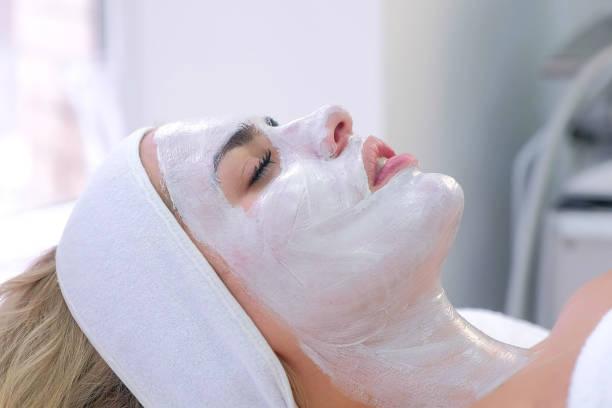
Chemical peels have become one of the most popular skincare treatments for improving skin texture, reducing blemishes, and achieving a brighter complexion. Among the many options available, glycolic acid and salicylic acid peels are two of the most commonly recommended treatments. While both offer impressive skin benefits, they target different concerns and work in unique ways.
If you're unsure which peel is right for your skin, glycolic acid peel is often recommended for individuals seeking smoother skin, improved radiance, and a more even complexion. Understanding the differences between glycolic acid and salicylic acid peels can help you make an informed decision based on your skincare goals.
What Is a Glycolic Acid Peel?
Understanding Glycolic Acid
Glycolic acid is an alpha hydroxy acid (AHA) derived from sugarcane. It works by gently exfoliating the skin's surface, removing dead skin cells, and stimulating healthy skin renewal.
Main Benefits
A glycolic acid peel helps:
- Brighten dull skin.
- Improve uneven skin tone.
- Smooth rough texture.
- Reduce fine lines.
- Fade mild pigmentation.
What Is a Salicylic Acid Peel?
Understanding Salicylic Acid
Salicylic acid is a beta hydroxy acid (BHA) that penetrates deep into the pores. It dissolves excess oil and removes impurities, making it especially beneficial for oily and acne-prone skin.
Main Benefits
A salicylic acid peel helps:
- Clear clogged pores.
- Reduce acne breakouts.
- Control excess oil.
- Minimize blackheads.
- Calm skin congestion.
Key Differences Between the Two Peels
Depth of Action
Glycolic acid mainly exfoliates the skin's surface, while salicylic acid works deeper inside the pores to remove oil and debris.
Best Skin Types
Glycolic acid is generally suitable for normal, dry, combination, and aging skin. Salicylic acid is often preferred for oily and acne-prone skin.
Primary Skin Concerns
Glycolic acid is ideal for improving brightness, pigmentation, and texture, whereas salicylic acid is more effective for acne, blackheads, and oily skin.
Skin Hydration
Glycolic acid supports smoother, healthier-looking skin, while salicylic acid focuses more on oil control and blemish reduction.
Which Peel Is Better?
Choose Glycolic Acid If You Want
- Brighter skin.
- Improved skin tone.
- Reduced fine lines.
- Smoother texture.
- Mild pigmentation correction.
Choose Salicylic Acid If You Want
- Fewer acne breakouts.
- Cleaner pores.
- Reduced oil production.
- Improvement in blackheads.
- Better acne management.
Can They Be Combined?
Personalized Treatment Plans
In some cases, skincare professionals may recommend alternating or combining treatments depending on your skin's condition. This personalized approach allows multiple skin concerns to be addressed safely and effectively.
What Happens During a Chemical Peel?
Treatment Process
The procedure usually includes:
- Skin assessment.
- Cleansing.
- Peel application.
- Controlled treatment time.
- Neutralization.
- Application of soothing skincare products.
The entire process is generally quick and requires minimal recovery.
Aftercare Tips
Protect Your Skin
For the best results:
- Wear sunscreen every day.
- Keep your skin moisturized.
- Avoid harsh exfoliants.
- Stay hydrated.
- Follow your provider's aftercare instructions.
Proper aftercare supports healthier healing and longer-lasting results.
Why Choose Glycolic Acid Peel in Riyadh?
Many people choose this treatment because it offers an effective way to improve skin texture, brighten the complexion, and reduce visible imperfections with minimal downtime. Experienced skincare professionals customize each peel according to individual skin needs, helping patients achieve safe and satisfying results.
Book Your Consultation Today
If you're considering a chemical peel to refresh your skin, visit Royal Clinic Saudia. Their experienced skincare specialists provide personalized consultations and customized treatment plans to help you achieve smoother, healthier, and more radiant skin.
FAQs:
Which peel is better for glowing skin?
Glycolic acid is generally better for improving skin brightness and radiance.
Is salicylic acid better for acne?
Yes, it is highly effective for oily and acne-prone skin.
Can I switch between glycolic and salicylic peels?
Yes, but only under the guidance of a skincare professional.
Which peel has less downtime?
Both peels typically involve minimal downtime, with mild redness or peeling for a few days.

 English
 Arabic
 French
 Spanish
 Portuguese
 Turkish
 Dutch
Dutch
 Italiano
 Russian
 Romaian
 Portuguese (Brazil)
 Greek
Greek