
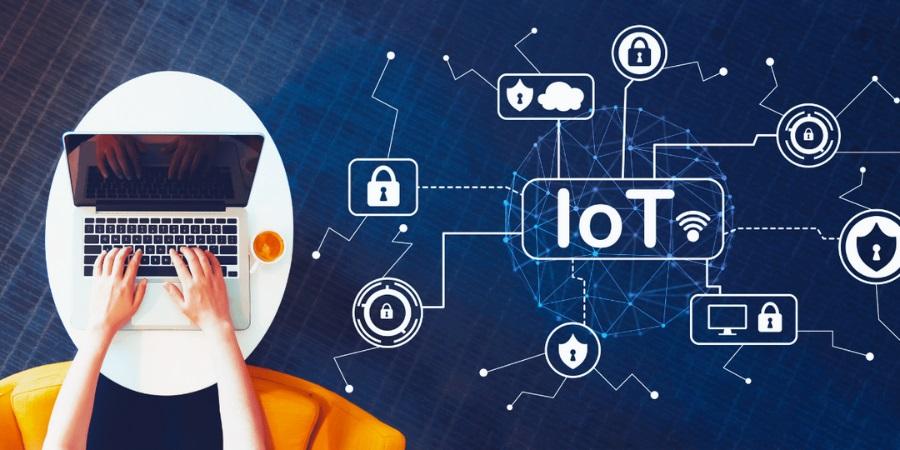
The Internet of Things (IoT) refers to the network of interconnected physical devices embedded with sensors, software, and connectivity that enables them to collect and exchange data. These devices range from everyday household items to complex industrial tools. IoT aims to enhance efficiency, automate processes, and improve decision-making across various sectors. By enabling seamless communication between devices, IoT creates smarter environments that can respond dynamically to user needs and environmental changes. The proliferation of IoT is driven by advancements in wireless technology, miniaturization of sensors, and cloud computing. As IoT continues to evolve, it is expected to revolutionize how we live, work, and interact with our surroundings, offering significant benefits but also raising concerns about security and privacy.
Applications of IoT in Daily Life
IoT has profoundly impacted daily life through smart homes, wearable devices, and connected appliances. Smart home systems allow users to control lighting, heating, and security remotely, enhancing convenience and energy efficiency. Wearable devices monitor health metrics like heart rate and activity levels, enabling personalized healthcare management. Connected appliances such as refrigerators and washing machines can optimize their operation based on usage patterns, saving energy and costs. IoT also supports smarter transportation through connected vehicles and traffic management systems, reducing congestion and improving safety. Retailers use IoT for inventory management and personalized shopping experiences. These applications demonstrate how IoT makes everyday activities more efficient, comfortable, and tailored to individual needs, transforming how we interact with our environment.
Industrial IoT and Its Impact on Manufacturing
Industrial IoT (IIoT) integrates IoT technology into manufacturing and industrial processes to improve productivity and safety. Sensors monitor machine performance in real-time, allowing predictive maintenance that prevents costly breakdowns. Data analytics optimize supply chain management, inventory control, and energy use, reducing waste and operational costs. IoT-enabled robots and automation systems increase precision and efficiency on production lines. Additionally, IIoT enhances workplace safety by monitoring environmental conditions and alerting workers to hazards. The integration of IoT in industry fosters smart factories that are more flexible, responsive, and sustainable. This transformation leads to faster production cycles, higher quality products, and significant cost savings, revolutionizing traditional manufacturing practices and paving the way for Industry 4.0.
Security and Privacy Concerns in IoT
As IoT devices proliferate, security and privacy concerns become increasingly critical. These devices often collect sensitive data, making them attractive targets for cyberattacks. Insecure devices can be exploited to gain unauthorized access to networks, leading to data breaches or malicious control over connected systems. Privacy issues also arise from the extensive data collection, raising questions about user consent and data misuse. Ensuring security in IoT involves implementing robust encryption, regular software updates, and secure authentication protocols. Consumers and manufacturers must prioritize security measures to prevent vulnerabilities. Governments and organizations are also developing regulations to establish standards for IoT security and privacy. Addressing these concerns is crucial to fully realizing IoT’s benefits while protecting users and infrastructure from threats.
Future Trends and Challenges in IoT Development
The future of IoT is poised for rapid growth with advancements in 5G connectivity, edge computing, and artificial intelligence. These technologies will enable faster data processing, real-time decision-making, and more autonomous systems. Smart cities, connected healthcare, and autonomous vehicles are among the emerging applications. However, challenges such as interoperability, scalability, and security must be addressed to fully harness IoT’s potential. Standardization efforts are crucial for ensuring seamless communication between diverse devices and platforms. Additionally, managing the massive volume of data generated by IoT devices requires sophisticated analytics and storage solutions. As IoT continues to expand, balancing innovation with security, privacy, and ethical considerations remains vital. Overcoming these challenges will determine how effectively IoT can transform industries and improve quality of life worldwide.

 English
 Arabic
 French
 Portuguese
 Deutsch
 Turkish
 Dutch
Dutch
 Italiano
 Russian
 Romaian
 Portuguese (Brazil)
 Greek
Greek