
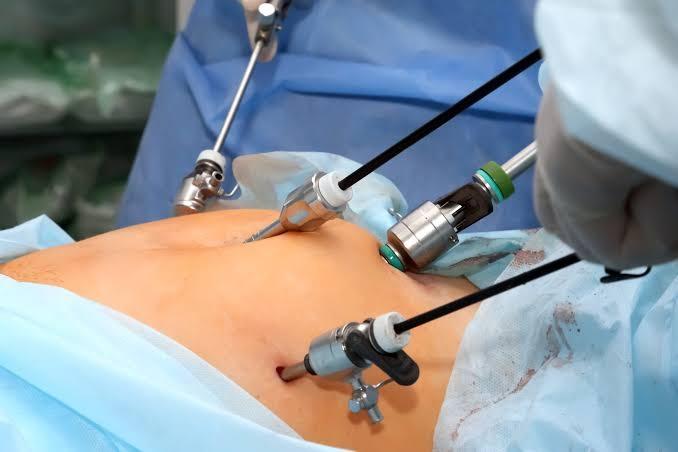
A hernia develops when an internal organ or tissue pushes through a weakened area of the surrounding muscle or connective tissue. Laparoscopic surgery for hernia repair is a minimally invasive technique used to repair this weakness through small abdominal incisions. Compared with traditional open hernia repair, laparoscopic surgery in Islamabad may involve smaller incisions, less tissue disruption, and a potentially faster recovery for suitable patients.
What Is a Hernia?
A hernia occurs when tissue, often part of the intestine or abdominal fat, protrudes through a weak spot in the abdominal wall. Hernias can appear in different areas of the body, including the groin, abdomen, and around the belly button.
Common types include:
- Inguinal hernia
- Incisional hernia
- Umbilical hernia
- Femoral hernia
- Ventral hernia
A noticeable bulge, discomfort, pressure, or pain may become more apparent when coughing, lifting objects, or standing for extended periods.
What Is Laparoscopic Hernia Repair?
Laparoscopic hernia repair is a minimally invasive surgical procedure performed through several small incisions. Instead of making one larger incision over the hernia, the surgeon uses a thin instrument called a laparoscope, which has a small camera attached to it.
The camera provides a magnified view of the abdominal area on a monitor. Specialized surgical instruments are then used to reposition the protruding tissue and strengthen the weakened abdominal wall.
In many cases, surgical mesh is placed over the weakened area to reinforce the abdominal wall and reduce the likelihood of recurrence.
How Does Laparoscopic Hernia Surgery Work?
Before surgery, the patient usually undergoes a medical assessment to determine the type and location of the hernia and whether laparoscopic repair is appropriate.
During the procedure, general anesthesia is typically administered. The surgeon makes small incisions and introduces carbon dioxide gas into the abdominal cavity to create enough working space.
The laparoscope is inserted through one incision while surgical instruments are introduced through the others. The herniated tissue is carefully returned to its proper position, and the weakened area is reinforced, often with mesh.
Once the repair is completed, the instruments are removed and the small incisions are closed.
Benefits of Laparoscopic Hernia Repair
One of the main advantages of minimally invasive hernia surgery is that it uses smaller incisions than conventional open repair. This can result in less disruption to surrounding tissues.
Other potential benefits include reduced postoperative discomfort, smaller scars, earlier mobility, and a quicker return to normal activities for appropriately selected patients.
Laparoscopic repair can also be useful when certain patients have hernias on both sides because both areas may be addressed through the same minimally invasive approach.
However, laparoscopic surgery is not automatically the best option for every patient. The appropriate technique depends on the hernia type, size, location, previous surgeries, medical history, and surgeon's assessment.
Recovery After Laparoscopic Hernia Repair
Recovery varies from person to person. Because laparoscopic surgery generally involves smaller incisions, many patients can resume light daily activities relatively soon after surgery.
Mild soreness, bruising, swelling, or temporary abdominal discomfort can occur during the early recovery period. Following postoperative instructions is important for proper healing.
Patients should avoid strenuous activity and heavy lifting until their surgeon confirms that it is safe. Walking is generally encouraged during recovery because gentle movement can support mobility and reduce prolonged inactivity.
The surgeon may also provide instructions regarding wound care, medication, diet, exercise, and follow-up appointments.
Risks and Possible Complications
Although laparoscopic hernia repair is commonly performed, it is still a surgical procedure and carries potential risks. These may include infection, bleeding, pain, swelling, blood clots, anesthesia-related complications, recurrence of the hernia, or injury to nearby structures.
Some patients may also experience temporary shoulder discomfort caused by the gas used during laparoscopic surgery.
Choosing an appropriately qualified surgeon and following preoperative and postoperative instructions can help support a safer recovery.
Who May Need Laparoscopic Hernia Repair?
A doctor may recommend surgical repair when a hernia causes persistent pain, discomfort, enlargement, functional problems, or carries a risk of complications such as obstruction or strangulation.
Not every hernia requires immediate surgery. A specialist evaluates the patient's symptoms, hernia characteristics, overall health, and risk factors before recommending treatment.
Frequently Asked Questions
Is laparoscopic hernia repair painful?
Some discomfort and soreness are expected after surgery, but postoperative pain is generally managed with appropriate medication and care.
How long does laparoscopic hernia surgery take?
The duration varies depending on the type and complexity of the hernia and whether additional procedures are required.
How quickly can I return to normal activities?
Light activities may be resumed relatively early, but strenuous exercise and heavy lifting should be avoided until the surgeon gives clearance.
Does laparoscopic hernia repair leave scars?
Yes, but the incisions are usually small, so the resulting scars may be less noticeable than those associated with larger open surgical incisions.
Can a hernia return after laparoscopic repair?
Recurrence is possible after any hernia repair. The risk depends on factors such as the type of hernia, surgical technique, tissue strength, and individual health factors.
Final Thoughts
Laparoscopic surgery for hernia repair offers a minimally invasive approach to treating several types of abdominal and groin hernias. With small incisions, specialized instruments, and camera-assisted visualization, the technique can provide effective repair for appropriately selected patients. A consultation with an experienced laparoscopic surgeon is the best way to determine whether this approach is suitable for your specific condition.

 English
 Arabic
 French
 Spanish
 Portuguese
 Deutsch
 Turkish
 Dutch
Dutch
 Russian
 Romaian
 Portuguese (Brazil)
 Greek
Greek