
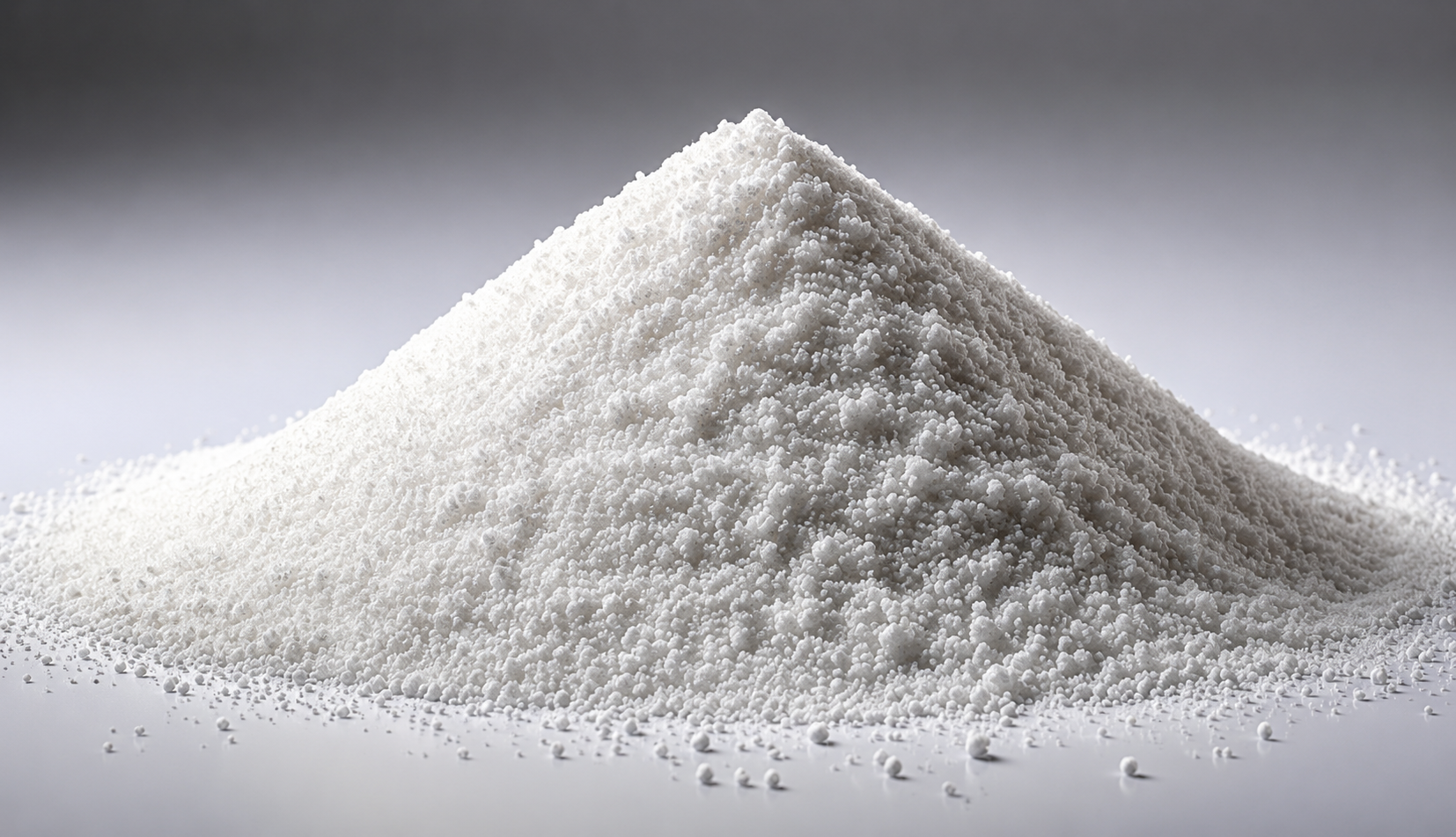
Sodium carbonate, commonly known as washing soda or soda ash, is a widely used chemical found in household cleaning products, water treatment applications, manufacturing processes, and various industrial settings. The question is sodium carbonate safe depends largely on how it is handled, the concentration involved, and the type of exposure. When used appropriately, sodium carbonate can be a useful and manageable chemical. However, direct contact with concentrated sodium carbonate can irritate the skin, eyes, and respiratory system. Understanding its properties, potential hazards, proper handling methods, and appropriate storage practices can help people use it more responsibly and reduce unnecessary exposure.
What Is Sodium Carbonate?
Sodium carbonate is an alkaline inorganic compound commonly represented by the chemical formula Na₂CO₃. It is generally found as a white, odorless powder or granular solid and dissolves readily in water. Because of its alkaline nature, it is widely used for cleaning, water softening, glass production, chemical manufacturing, and other applications. Sodium carbonate should not be confused with sodium bicarbonate, which is commonly known as baking soda. Although both substances contain sodium and carbonate-related chemistry, they have different chemical properties and should not automatically be considered interchangeable.
Is Sodium Carbonate Safe?
Sodium carbonate can be considered reasonably safe when it is handled correctly and used for its intended purpose, but it is not a completely harmless substance. Its alkaline properties mean that exposure to concentrated material can cause irritation or discomfort, particularly when it contacts the eyes, skin, or respiratory tract. The level of risk depends on factors such as concentration, exposure route, quantity, and duration. Using appropriate protective measures and following product-specific safety instructions can significantly reduce the possibility of harmful exposure.
Why Can Sodium Carbonate Cause Irritation?
Sodium carbonate is alkaline, and alkaline substances can affect biological tissues when they come into direct contact with them. Concentrated sodium carbonate solutions or powders can irritate the skin and eyes, while airborne dust may cause discomfort in the nose and throat. The chemical does not need to be highly toxic to cause irritation because its physical and chemical properties can produce an unpleasant or damaging local effect. Avoiding unnecessary contact is therefore an important part of safe handling.
Is Sodium Carbonate Safe for Skin?
Sodium carbonate is not intended to remain on the skin, particularly in concentrated form. Contact with the powder or strong solutions may cause dryness, irritation, redness, or discomfort. People who regularly handle sodium carbonate should use suitable protective gloves and avoid touching their face during handling. If the substance gets onto the skin, the affected area should generally be rinsed thoroughly with plenty of water, while persistent irritation should receive appropriate medical attention.
Is Sodium Carbonate Safe for Eyes?
Eye exposure is a more serious concern because alkaline substances can cause significant irritation and, depending on concentration and exposure conditions, potentially damage eye tissue. Sodium carbonate powder can also be particularly uncomfortable if it becomes airborne and enters the eyes. Appropriate eye protection is advisable when handling concentrated material or working in environments where dust or splashes are possible. If sodium carbonate enters the eyes, they should be flushed thoroughly with clean water and professional medical advice should be sought if irritation or discomfort continues.
Can Sodium Carbonate Be Harmful if Inhaled?
Inhalation of sodium carbonate dust can irritate the nose, throat, and respiratory tract. This is more relevant in workplaces or industrial environments where powdered material may become airborne during transferring, mixing, processing, or cleaning. Good ventilation and appropriate respiratory protection can help limit exposure where dust cannot otherwise be controlled. Moving away from the source of airborne dust and getting fresh air can help after accidental inhalation, while persistent breathing difficulties require prompt medical evaluation.
Can Sodium Carbonate Be Swallowed?
Sodium carbonate should not be intentionally swallowed. Ingestion may irritate the mouth, throat, stomach, and digestive system, particularly when a concentrated amount is consumed. The seriousness of exposure depends on the amount and concentration involved. If accidental ingestion occurs, it is important to avoid taking unnecessary actions based on assumptions and instead seek appropriate medical or poison-control guidance for the specific product and exposure.
Is Sodium Carbonate Safe for Household Cleaning?
Sodium carbonate is commonly used in household cleaning because its alkaline properties can help remove grease, dirt, and certain stains. When used according to the instructions for the cleaning product or formulation, it can be an effective household cleaning ingredient. However, being a common cleaning chemical does not mean it should be handled casually. Gloves, adequate ventilation, careful measuring, and avoiding contact with the eyes are sensible precautions when using sodium carbonate-based cleaning products.
Sodium Carbonate and Washing Soda
Sodium carbonate is often called washing soda because it has historically been used as a laundry and cleaning compound. Its alkaline properties can help improve cleaning performance and soften water by interacting with certain minerals. Washing soda is different from baking soda, despite their similar names and related chemical composition. Sodium carbonate is more strongly alkaline, so users should avoid assuming that the two substances have identical safety characteristics or household applications.
Common Uses of Sodium Carbonate
Sodium carbonate has many practical applications across household and industrial environments. It is used in laundry products, cleaning formulations, water treatment, glass manufacturing, chemical processing, pulp and paper production, and various manufacturing processes. Its ability to increase alkalinity and interact with certain dissolved minerals makes it useful in several chemical and industrial applications. Because the handling conditions can vary significantly between uses, the appropriate safety measures should always match the specific application and concentration.
Sodium Carbonate in Water Treatment
Sodium carbonate can be used in water treatment to adjust alkalinity and influence water chemistry. It may also help manage water hardness under appropriate conditions by interacting with certain dissolved minerals. Water treatment applications are generally controlled carefully because the amount used can affect the resulting water chemistry. Proper dosing and handling are important, particularly in professional treatment systems where concentrated chemicals may be involved.
Sodium Carbonate in Laundry Products
Sodium carbonate has long been associated with laundry applications because it can help improve cleaning performance and soften water. Its alkaline properties can assist in breaking down certain types of dirt and oily residues while supporting the action of detergents. When included in commercially prepared laundry products, the concentration and formulation are generally designed for their intended use. Users should still follow the product instructions and avoid direct contact with concentrated powders.
Safe Handling of Sodium Carbonate
Safe handling begins with minimizing unnecessary exposure. People working with sodium carbonate powder should avoid creating dust, use suitable gloves when direct contact is possible, and protect their eyes when splashing or airborne particles are a concern. Work areas should have appropriate ventilation, especially during processes that can generate dust. Hands should be washed after handling, and contaminated clothing should be cleaned appropriately. Following the safety information provided for the specific product is also important because formulations and concentrations can differ.
Proper Storage of Sodium Carbonate
Sodium carbonate should be stored in a dry, well-ventilated location using a suitable, clearly labeled container. The material should be protected from unnecessary moisture and kept away from incompatible substances according to its safety information. Containers should remain properly closed when the material is not being used. Keeping chemicals in their original labeled packaging can also help prevent accidental misuse or confusion with other household substances.
What Protective Equipment Is Useful?
The appropriate protective equipment depends on the concentration, quantity, and working environment. Protective gloves can reduce direct skin contact, while safety goggles can help protect the eyes from powder or solution splashes. In workplaces where airborne dust is possible, suitable respiratory protection may also be necessary based on an exposure assessment. Protective clothing can provide an additional barrier when handling larger quantities. Equipment should be selected according to the product's safety documentation and workplace requirements.
What Happens if Sodium Carbonate Gets on the Skin?
Direct skin contact with sodium carbonate may produce dryness, irritation, or a burning sensation, particularly when the material is concentrated or remains on the skin for an extended period. The affected area should generally be rinsed thoroughly with plenty of water to remove the substance. Contaminated clothing should be removed if necessary to prevent continued exposure. If symptoms remain or become severe, medical advice should be obtained.
What Happens if Sodium Carbonate Gets in the Eyes?
Eye contact can cause significant irritation because the alkaline material may affect sensitive eye tissues. Immediate and thorough rinsing with clean water is important after accidental exposure. Contact lenses should be removed if this can be done easily during rinsing. Continued pain, redness, blurred vision, or other persistent symptoms should be evaluated by a medical professional because eye exposure should be treated seriously.
Environmental Considerations of Sodium Carbonate
Sodium carbonate is not generally considered a persistent organic pollutant, but releasing large quantities of chemicals into the environment can still affect local water and soil chemistry. Because it is alkaline, excessive amounts may alter the pH of water or soil. Industrial facilities should therefore manage sodium carbonate according to applicable waste-handling and environmental procedures. Household users should also avoid deliberately dumping concentrated chemical solutions into natural waterways or areas where they could cause environmental problems.
Sodium Carbonate Compared With Baking Soda
Sodium carbonate and baking soda are chemically related but have different properties and applications. Sodium carbonate is more alkaline than sodium bicarbonate and is therefore generally stronger for certain cleaning and water-treatment applications. Baking soda is commonly used in cooking and household applications where a milder alkaline substance is appropriate. Their similar appearance and names can sometimes lead to confusion, so they should be stored and labeled carefully.
Is Sodium Carbonate Safe Around Children?
Sodium carbonate should be kept away from children, particularly in its powdered or concentrated form. Young children may not understand the potential hazards of household or industrial chemicals and could accidentally touch, inhale, or swallow the material. Keeping chemical products in secure storage and their original labeled containers is an important precaution. Adults should also avoid transferring sodium carbonate into food or drink containers because doing so can increase the risk of accidental ingestion.
Is Sodium Carbonate Safe Around Pets?
Pets should not have access to sodium carbonate or products containing concentrated amounts of it. Powder can irritate sensitive tissues if it gets into an animal's eyes, nose, mouth, or paws. Cleaning products containing sodium carbonate should be used and stored carefully so pets cannot accidentally contact or ingest them. If a pet is exposed, veterinary advice should be obtained rather than assuming that a small exposure is harmless.
Factors That Affect Sodium Carbonate Safety
The safety of sodium carbonate depends on several factors, including concentration, physical form, exposure route, amount, duration, and individual sensitivity. A small amount used correctly in a household formulation presents a different exposure scenario from handling a large quantity of concentrated industrial material. Powder can create inhalation concerns, while solutions can create splash and contact concerns. Understanding the specific use case is therefore essential when assessing safety.
How to Reduce Sodium Carbonate Exposure
Reducing exposure involves using only the amount required for the intended application and preventing unnecessary contact. Good ventilation can reduce airborne dust, while gloves and eye protection can provide useful barriers. Careful handling can prevent spills and splashes, and proper storage can reduce accidental exposure. Cleaning work surfaces after handling can also help prevent residual powder from spreading to other areas.
Frequently Asked Questions About Sodium Carbonate Safety
Is sodium carbonate safe to use at home?
Sodium carbonate can be used at home when it is intended for household applications and handled according to the product instructions. Users should avoid direct contact, prevent dust inhalation, protect their eyes, and keep the material away from children and pets.
Is sodium carbonate the same as baking soda?
No. Sodium carbonate and baking soda are different substances with different chemical properties. Sodium carbonate is more strongly alkaline and is commonly used for cleaning, laundry, water treatment, and industrial applications.
Can sodium carbonate irritate the skin?
Yes. Concentrated sodium carbonate or prolonged skin contact can cause irritation and dryness. Wearing suitable gloves and rinsing exposed skin thoroughly can help reduce the risk.
Is sodium carbonate dangerous to the eyes?
Eye exposure can cause significant irritation and may potentially cause tissue damage depending on concentration and exposure conditions. Thoroughly flushing the eyes with clean water after exposure is important.
Can sodium carbonate dust be inhaled safely?
Sodium carbonate dust should not be intentionally inhaled. Airborne particles can irritate the respiratory tract, so ventilation and suitable protective measures are important when handling powdered material.
Is sodium carbonate safe for laundry?
Sodium carbonate is commonly used in laundry products and can be effective when used correctly. Users should follow the instructions for the particular product and avoid direct exposure to concentrated powder.
Should sodium carbonate be kept away from children?
Yes. Sodium carbonate should be stored securely and out of children's reach because accidental contact or ingestion can cause irritation and other harmful effects.
What should I do after accidental sodium carbonate exposure?
The appropriate response depends on the type and extent of exposure. For skin or eye contact, thorough rinsing with water is generally important, while ingestion or significant inhalation requires appropriate professional medical or poison-control guidance.
Conclusion
So, is sodium carbonate safe? The answer depends on how it is used, handled, stored, and exposed to the body. Sodium carbonate is a useful chemical with many household, commercial, and industrial applications, but its alkaline nature means that concentrated material can irritate the skin, eyes, and respiratory system. Responsible handling is therefore essential.

 Arabic
 French
 Spanish
 Portuguese
 Deutsch
 Turkish
 Dutch
Dutch
 Italiano
 Russian
 Romaian
 Portuguese (Brazil)
 Greek
Greek