
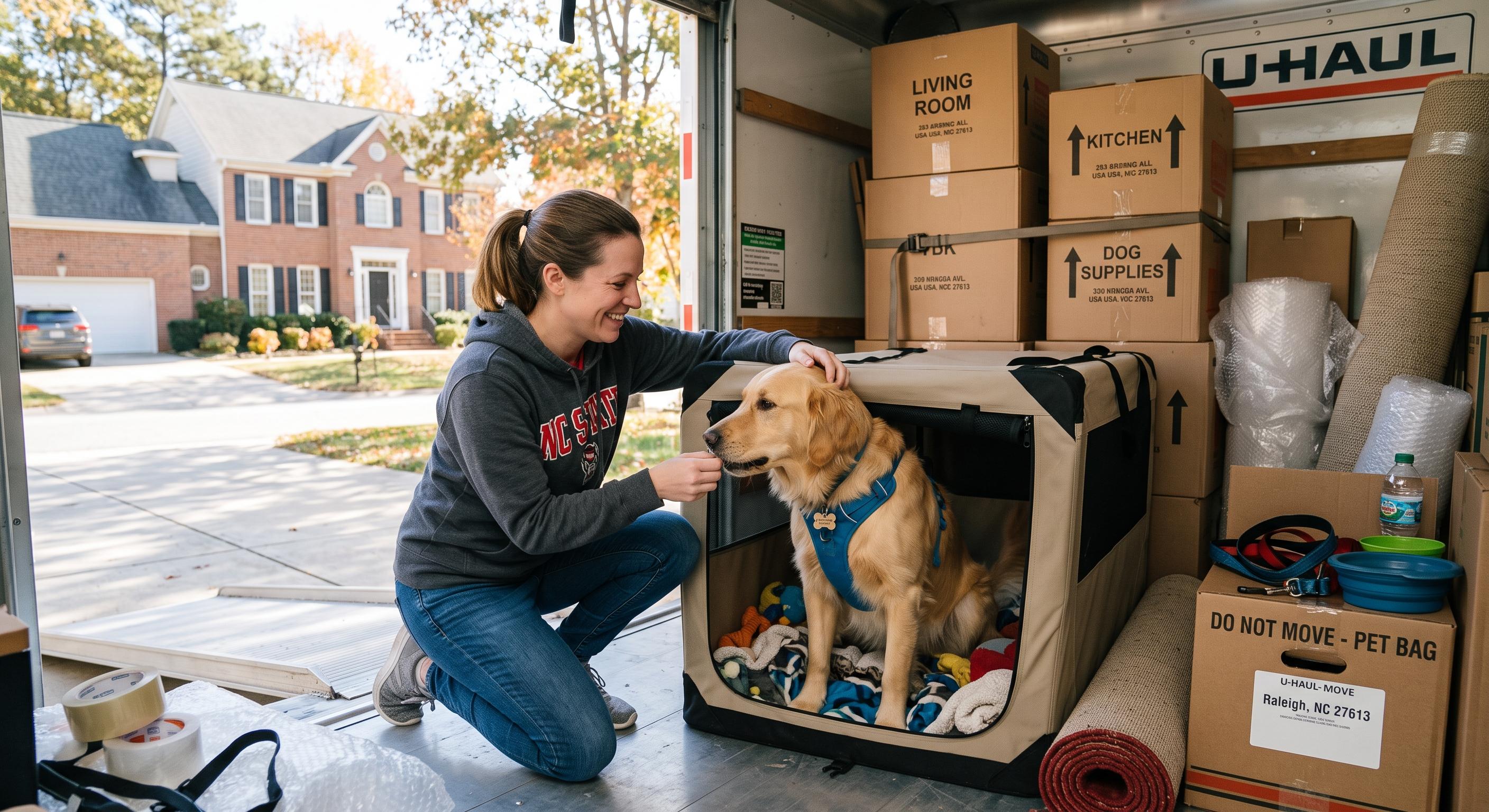
Moving to a new home is exciting, but moving with a dog can create additional challenges. Dogs are creatures of habit, and changes to their familiar surroundings, daily routines, and environment can make them anxious or confused. With proper preparation, however, you can make the process much easier for your dog and the entire family.
Whether you are moving across town or relocating to another state, planning ahead can help reduce stress. From keeping your dog's routine consistent to preparing a safe travel setup, small steps can make a significant difference.
Why Is Moving With a Dog Challenging?
Dogs often rely on familiar smells, people, places, and routines. During a move, boxes appear around the house, furniture disappears, strangers may enter the home, and daily schedules can change.
Some dogs may react by:
-
Becoming unusually clingy
-
Hiding or becoming withdrawn
-
Barking more than usual
-
Losing interest in food
-
Having accidents indoors
-
Becoming restless
-
Showing signs of separation anxiety
Not every dog reacts the same way. Understanding your dog's personality can help you prepare for potential challenges.
How Early Should You Prepare Your Dog for a Move?
Start preparing several weeks before moving day whenever possible. Avoid making all the changes at once.
Begin by gradually introducing moving boxes and packing materials. Let your dog see and smell the boxes before you start using them throughout the house.
You should also maintain normal feeding, walking, sleeping, and play schedules. Keeping these routines familiar can provide your dog with a sense of security.
Create a Moving Plan That Includes Your Dog
A successful move requires more than packing furniture and arranging transportation. Your pet should have a specific plan as well.
Consider:
-
Where your dog will stay during packing
-
How your dog will travel
-
What food and supplies you need
-
Where your dog will stay on arrival
-
How you will maintain their routine
-
Whether your new neighborhood is dog-friendly
-
Where the nearest veterinarian is located
Planning these details ahead of time can prevent last-minute problems.
Keep Your Dog Away From Moving-Day Chaos
Moving day can be especially stressful for dogs. Doors may remain open while movers carry furniture in and out, creating opportunities for your dog to escape.
A safer option is to keep your dog in a quiet room away from the activity. Close the door and place a sign outside reminding everyone not to enter.
You can also ask a trusted friend, family member, pet sitter, or boarding facility to care for your dog during the busiest part of the move.
This is particularly useful for nervous dogs.
Pack a Separate Dog Essentials Bag
Do not pack your dog's important supplies in boxes that will be difficult to access.
Prepare a separate bag or container containing:
-
Dog food
-
Water and food bowls
-
Leash and collar
-
Waste bags
-
Medications
-
Treats
-
Favorite toys
-
Blanket or bed
-
Grooming supplies
-
Cleaning supplies
-
Vaccination and veterinary records
-
Identification information
Keep this bag with you rather than placing it on the moving truck.
How Can You Keep Your Dog's Routine Normal?
One of the best ways to reduce stress is to maintain your dog's normal schedule.
Try to keep:
-
Meal times consistent
-
Walks at familiar times
-
Regular bathroom breaks
-
Normal sleeping arrangements
-
Daily playtime
-
Familiar commands and training routines
Even when everything around your dog is changing, a familiar routine can provide stability.
Prepare Your Dog for Travel
Your dog's travel method depends on the distance and type of relocation.
For a car journey, make sure your dog has a secure area with adequate ventilation. A properly sized crate can provide a familiar and protected environment for dogs that are comfortable with crate travel.
For longer journeys, plan regular breaks for water, bathroom needs, and exercise.
Never leave your dog alone inside a parked vehicle, especially in hot or cold weather.
If your relocation involves air travel or another transportation method, research the current requirements well in advance and discuss the plan with your veterinarian.
Should You Visit the Veterinarian Before Moving?
A pre-move veterinary visit can be helpful, especially for long-distance relocations.
Ask your veterinarian about:
-
Current vaccinations
-
Medical records
-
Prescription medications
-
Travel-related concerns
-
Anxiety management
-
Identification and microchip information
Make sure your dog's identification information is updated before moving. If your dog becomes separated from you during the move, accurate contact information can make reunification much easier.
Introduce Your Dog to the New Home Slowly
Once you arrive, resist the temptation to let your dog immediately explore every part of the new property.
Start with one quiet, secure room. Place your dog's bed, water, food, toys, and other familiar belongings there.
Allow your dog to become comfortable before gradually introducing additional areas.
Familiar smells can also help. Bringing your dog's existing blanket, bed, and toys into the new home can make the environment feel less unfamiliar.
Make the New Home Safe for Your Dog
Before allowing your dog to explore freely, inspect the new property.
Check for:
-
Open gates
-
Damaged fencing
-
Toxic plants
-
Exposed electrical wires
-
Small objects that could be swallowed
-
Unsecured cleaning products
-
Gaps under fences
-
Unfamiliar animals or hazards
If the home has a yard, inspect the fence carefully. A stressed dog may try to escape from an area that would normally feel secure.
Update Your Dog's Identification Information
A move is a good opportunity to check all identification details.
Update your dog's:
-
Collar information
-
Microchip registration
-
Veterinary records
-
Emergency contact information
If your dog accidentally gets out after the move, current information can significantly improve the chances of getting them home safely.
Help Your Dog Adjust to the New Neighborhood
Your dog may need time to become comfortable with unfamiliar sights and smells.
Start with short walks around the neighborhood. Let your dog explore at a comfortable pace instead of forcing them to interact with everything immediately.
Gradually introduce:
-
New walking routes
-
Nearby parks
-
Other dogs
-
New neighbors
-
New sounds
-
Different outdoor environments
Positive reinforcement can help your dog associate the new environment with enjoyable experiences.
Use Familiar Items to Reduce Anxiety
Familiar belongings can provide comfort during a major transition.
Bring your dog's favorite:
-
Bed
-
Blanket
-
Toys
-
Food bowl
-
Water bowl
-
Chew items
Avoid replacing everything immediately after moving. Keeping familiar items around can make the new home feel more recognizable.
How Can Professional Movers Make Moving With a Dog Easier?
Hiring professional movers can reduce the amount of physical work you need to handle, giving you more time to focus on your dog.
Instead of spending the entire day carrying furniture and boxes, you can concentrate on keeping your pet safe, maintaining their routine, and supervising their transition.
My Good Movers can be useful when researching moving services. As a moving directory, it gives homeowners a convenient starting point for exploring moving companies and finding services that fit their relocation requirements.
When comparing movers, consider factors such as:
-
Moving services offered
-
Service area
-
Company experience
-
Customer reviews
-
Pricing and estimates
-
Insurance and valuation options
-
Availability on your preferred moving date
The right moving company can make the physical side of relocation more manageable while you handle your dog's emotional and practical needs.
Moving With a Dog: Long-Distance Considerations
Long-distance relocation requires additional preparation.
Before leaving, determine:
-
How long the journey will take
-
Where you can stop for breaks
-
Where your dog will stay overnight if necessary
-
What veterinary services are available along the route
-
What food and water supplies you need
-
Whether your destination has specific pet requirements
Keep your dog's essential supplies easily accessible throughout the journey.
If traveling across state lines, check applicable pet-entry requirements ahead of time rather than waiting until moving day.
What Should You Do If Your Dog Becomes Stressed?
Some stress during a move is normal. Your dog may need several days or even longer to become comfortable in the new environment.
Provide:
-
A quiet resting area
-
Consistent routines
-
Familiar belongings
-
Plenty of positive attention
-
Regular exercise
-
Fresh food and water
Avoid overwhelming your dog with too many visitors or activities immediately after arrival.
If your dog displays unusual or severe behavioral or physical symptoms, contact a veterinarian for professional guidance.
Common Mistakes to Avoid When Moving With a Dog
Avoiding common mistakes can make relocation considerably easier.
Leaving Doors Open
Open doors can create an escape risk. Keep your dog in a secure area during loading and unloading.
Changing Everything at Once
Avoid changing food, routines, sleeping arrangements, and other familiar habits unnecessarily.
Packing Pet Supplies Too Early
Keep essential dog supplies available until the move is complete.
Ignoring Identification
Make sure your dog's collar and microchip information are current.
Forgetting Exercise
Even on a busy moving day, your dog needs appropriate bathroom breaks and physical activity.
Introducing the Entire New Home Immediately
Give your dog time to adjust gradually instead of forcing them to explore everything at once.
A Simple Moving-With-a-Dog Timeline
Several Weeks Before Moving
Start researching movers, gradually introduce packing materials, and maintain your dog's normal routine.
One to Two Weeks Before Moving
Prepare your dog's travel supplies, confirm transportation arrangements, organize veterinary documents, and update identification information.
The Day Before Moving
Pack your dog's essentials separately. Confirm where your dog will stay during moving day.
Moving Day
Keep your dog away from heavy activity, open doors, and unfamiliar people whenever possible.
Travel Day
Keep your dog secure, comfortable, hydrated, and supervised throughout the journey.
Arrival Day
Set up a quiet area with familiar belongings before allowing your dog to explore the new home.
First Few Weeks
Maintain routines and gradually introduce your dog to the neighborhood and new surroundings.
How Can You Make the First Week Easier?
The first week should focus on stability rather than major changes.
Feed your dog at familiar times and continue regular walks. Keep their bed and belongings in a consistent location.
Give your dog time to understand the new environment. Some dogs adapt quickly, while others require more patience.
Watch for changes in eating, sleeping, bathroom habits, and behavior. If something seems significantly different or concerning, consult your veterinarian.
Benefits of Planning Ahead
A well-organized pet moving plan can:
-
Reduce anxiety
-
Prevent escape attempts
-
Protect your dog from moving hazards
-
Make travel easier
-
Keep routines consistent
-
Save time
-
Reduce last-minute problems
-
Help your dog adjust faster
The key is to think about your dog's needs before moving day rather than trying to solve everything after you arrive.
Frequently Asked Questions
Can dogs get stressed when moving to a new home?
Yes. Changes in surroundings, smells, routines, and familiar people can cause temporary stress. Maintaining familiar routines and belongings can help.
How do I keep my dog safe on moving day?
Keep your dog in a secure room away from movers, open doors, and heavy activity. Alternatively, arrange care with a trusted person or boarding facility.
Should my dog ride in the moving truck?
No. Your dog should travel with you using a safe and appropriate transportation setup rather than being placed in a moving truck with household belongings.
How long does it take a dog to adjust after moving?
Adjustment time varies by dog. Some become comfortable within a few days, while others may need several weeks. Maintaining familiar routines can make the transition easier.
What should I bring for my dog when moving?
Bring food, water, bowls, leash, collar, medications, identification information, bedding, toys, treats, waste bags, and veterinary records.
Can professional movers help when moving with a dog?
Professional movers can handle much of the physical moving work, allowing you to focus on your dog's safety and comfort. A moving directory such as My Good Movers can help you research and compare moving companies.
Final Thoughts
Moving with a dog does not have to be overwhelming. The most important things are preparation, safety, consistency, and patience. Keep your dog's routine as normal as possible, protect them from moving-day chaos, travel safely, and introduce the new home gradually.
At the same time, choosing reliable professional movers can reduce the physical workload associated with relocation. My Good Movers, as a moving directory, can help you research moving companies and find options suited to your move.
With thoughtful planning and the right support, you can make the transition smoother for both you and your four-legged companion.

 English
 Arabic
 French
 Portuguese
 Deutsch
 Turkish
 Dutch
Dutch
 Italiano
 Russian
 Romaian
 Portuguese (Brazil)
 Greek
Greek