
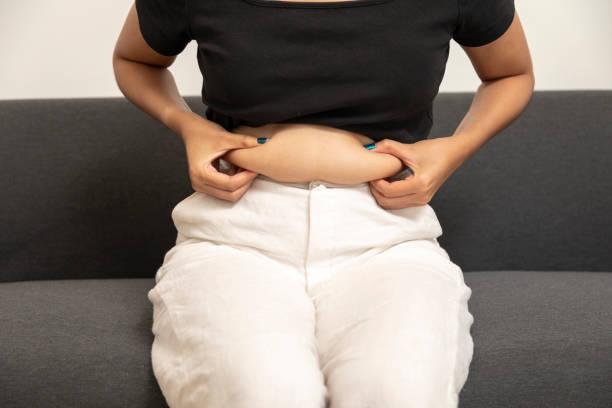
When you look in the mirror and see loose skin, stubborn fat, or a protruding abdomen that resists diet and exercise, the path forward can seem unclear. Both tummy tuck surgery and non-surgical treatments promise improvement, but they are fundamentally different tools designed for different problems. Tummy Tuck Surgery in Riyadh(جراحة شد البطن في الرياض) The choice between them is not about which is "better"—it is about which is right for your specific anatomy and goals.
What a Tummy Tuck Actually Does
A tummy tuck, or abdominoplasty, is the only procedure that addresses all three layers of the abdomen simultaneously. It removes excess skin that hangs or folds, eliminates localized fat, and—most critically—repairs separated abdominal muscles (diastasis recti) . This muscle repair is what restores a flat, firm abdominal wall and is something no non-surgical treatment can achieve . The result is a structural correction, not just surface improvement, and it provides the most dramatic and long-lasting transformation for patients with significant skin laxity or muscle separation .
What Non-Surgical Alternatives Can and Cannot Do
Non-surgical body contouring treatments have advanced significantly, offering real benefits for the right candidates. Energy-based treatments like radiofrequency (RF) microneedling (e.g., Morpheus8) and laser therapy stimulate collagen production, which can improve skin firmness and texture for mild to moderate laxity . Clinical studies confirm that microneedle RF technology can visibly tighten abdominal skin and improve stretch marks . Fat reduction treatments like CoolSculpting use controlled cooling to destroy small, localized fat pockets in individuals with good skin elasticity .
However, non-surgical treatments have clear limitations. They cannot remove excess skin, which is why patients with a true "apron belly" or hanging overhang are often disappointed when the loose skin remains after fat reduction . They also cannot repair abdominal muscle separation, a common issue after pregnancy that non-surgical options simply cannot address . These treatments are designed for contouring and refinement, not structural change or weight loss .
Key Differences at a Glance
| Feature | Tummy Tuck (Surgical) | Non-Surgical Alternatives |
|---|---|---|
| What It Treats | Excess skin, muscle separation, and fat | Small fat pockets and mild skin laxity |
| Muscle Repair | Yes, can repair diastasis recti | No |
| Skin Removal | Yes, removes hanging/folded skin | No, only tightens mildly |
| Invasiveness | Surgical, with incisions and anesthesia | Minimally invasive, no incisions |
| Recovery Time | 2-6 weeks downtime | Little to no downtime |
| Results Timeline | Immediate, refining over 6-12 months | Gradual, over 3-6 months |
| Number of Sessions | Typically one surgery | Multiple sessions often needed |
| Ideal Candidate | Significant laxity, muscle separation, stable weight | Near goal weight, good skin elasticity, small fat pockets |
Making the Right Choice for You
The decision depends on the current state of your abdomen. If you can pinch a significant amount of loose, hanging skin or if you have muscle separation from pregnancy, non-surgical treatments will not deliver the results you are hoping for . In these cases, a tummy tuck is the only way to achieve the flat, contoured abdomen you desire . If your concerns are mild—small pockets of stubborn fat with good skin elasticity and no muscle separation—non-surgical options like CoolSculpting or RF skin tightening may provide meaningful improvement without surgery . A consultation with a qualified professional is essential to assess your skin quality, fat distribution, and muscle integrity to recommend the most effective path forward.
For those seeking expert guidance and customized aesthetic care, you can book an appointment consultation at the 'Enfield Royal Riyadh(إنفيلد رويال الرياض).'
Frequently Asked Questions
Can non-surgical treatments remove excess skin?
No. Non-surgical treatments tighten skin but cannot remove hanging or folded excess skin .
Can CoolSculpting fix my separated abdominal muscles?
No. CoolSculpting only reduces fat and does not affect abdominal muscles .
How long does recovery take for each option?
A tummy tuck requires about 2 weeks off work; non-surgical treatments typically have no downtime .
Are non-surgical results permanent?
Results can last with a stable weight, but maintenance sessions may be needed over time .
Which option is right for me?
If you have loose skin or muscle separation, surgery is the only effective option; non-surgical is best for minor fat pockets with good skin elasticity .

 Arabic
 French
 Spanish
 Portuguese
 Deutsch
 Turkish
 Dutch
Dutch
 Italiano
 Russian
 Romaian
 Portuguese (Brazil)
 Greek
Greek