
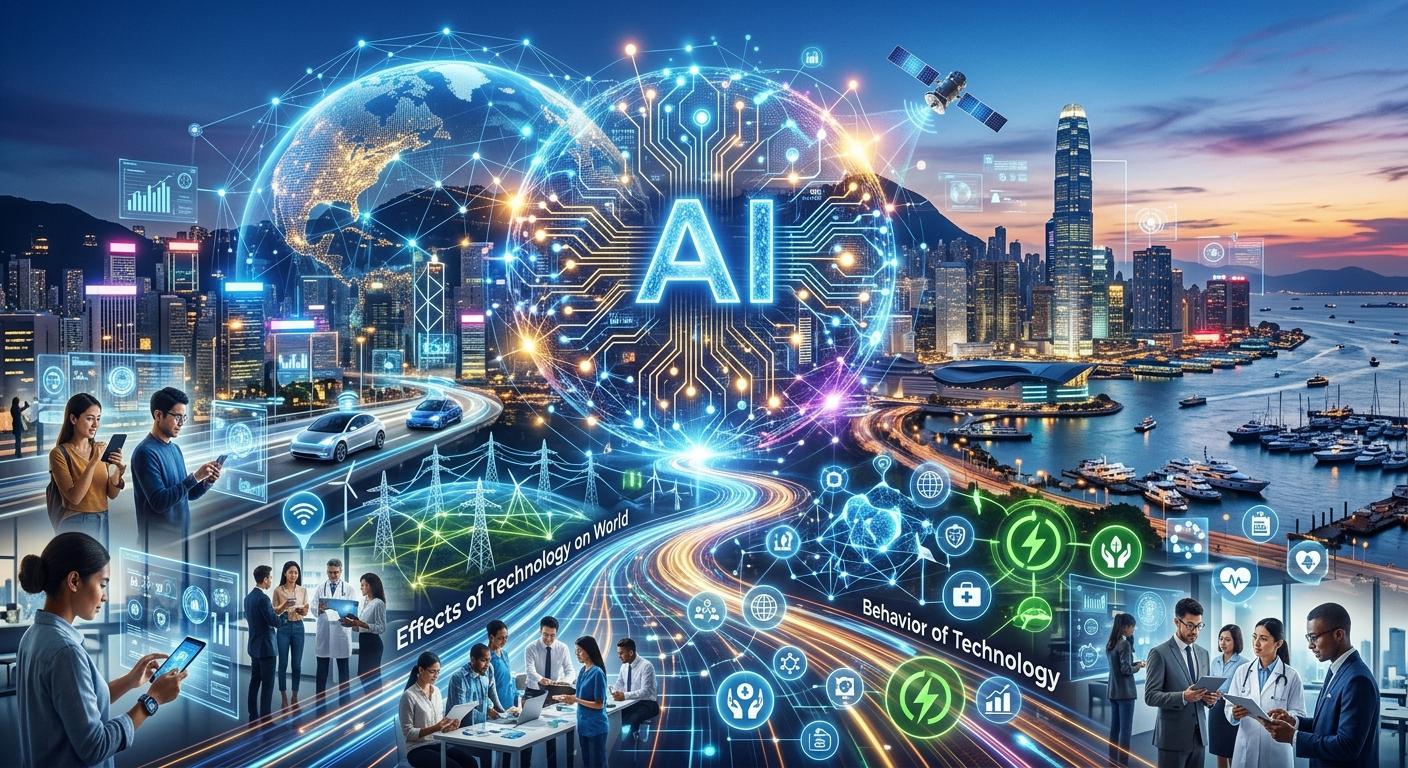
The technological landscape is moving faster than ever. From autonomous agents managing daily enterprise workflows to breakthroughs in quantum computing, edge AI processing, and green tech solutions, modern news is dominated by rapid digital transformation.
Current Highlights in Global Tech
-
Autonomous AI Agents: Transitioning from simple text-based chatbots to proactive agents capable of executing multi-step workflows in logistics, software engineering, and customer support.
-
Edge Computing Acceleration: On-device processing allows smartphones, IoT sensors, and wearables to run machine learning models locally, improving privacy and lowering response latency.
-
Quantum & Supercomputing Milestones: Research centers continue pushing boundaries, using hybrid quantum-classical algorithms to solve complex chemical simulation and optimization problems.
-
Sustainable & Green IT: Tech infrastructure is pivoting toward renewable energy grids, energy-efficient microchips, and cooling innovations to offset the high power demands of large data centers.
What Is AI? (Artificial Intelligence Explained)
Artificial Intelligence (AI) refers to the capability of computational systems to perform tasks historically requiring human cognitive functions—such as learning, reasoning, problem-solving, sensory perception, and natural language understanding.
┌─────────────────────────────────────────────────────────────────┐
│ Artificial Intelligence │
│ ┌───────────────────────────────────────────────────────────┐ │
│ │ Machine Learning │ │
│ │ ┌─────────────────────────────────────────────────────┐ │ │
│ │ │ Deep Learning │ │ │
│ │ │ ┌───────────────────────────────────────────────┐ │ │ │
│ │ │ │ Generative AI & LLMs │ │ │ │
│ │ │ └───────────────────────────────────────────────┘ │ │ │
│ │ └─────────────────────────────────────────────────────┘ │ │
│ └───────────────────────────────────────────────────────────┘ │
└─────────────────────────────────────────────────────────────────┘
Key Subfields of Artificial Intelligence
-
Machine Learning (ML): Algorithms that analyze historical data to identify patterns and make predictions without explicit step-by-step programming.
-
Deep Learning (DL): A subset of ML utilizing multi-layered artificial neural networks inspired by biological neural architecture, ideal for computer vision and speech recognition.
-
Natural Language Processing (NLP): Enables machines to analyze, understand, parse, and generate human language accurately.
-
Computer Vision: Allows software to process visual input—such as photos, medical scans, or video feeds—and make real-time analytical decisions.
Global Effects of Technology
Technology acts as a powerful structural force across society, economic markets, culture, and environmental systems.
┌──────────────────────┐
│ Technological Impact │
└──────────┬───────────┘
┌───────────────────┼───────────────────┐
▼ ▼ ▼
┌─────────────────┐ ┌─────────────────┐ ┌─────────────────┐
│ Economy │ │ Society │ │ Environment │
├─────────────────┤ ├─────────────────┤ ├─────────────────┤
│ • Automation │ │ • Connectivity │ │ • Energy Demand │
│ • Global Trade │ │ • Education │ │ • Green Tech │
│ • New Job Types │ │ • Healthcare │ │ • E-Waste Mgt │
└─────────────────┘ └─────────────────┘ └─────────────────┘
Structural Impacts Across Domains
| Domain | Primary Transformations | Key Challenges |
| Healthcare | AI diagnostics, robotic surgeries, early disease detection, genomic sequencing | High deployment costs, data privacy security |
| Education | Personalized adaptive learning tools, global digital platforms, instant research access | Digital divides, uneven broadband accessibility |
| Finance & Business | Automated fraud detection, digital payment networks, algorithmic trading | Cyber threat vulnerability, rapid market shifts |
| Workplace & Employment | Remote collaboration, automated routine tasks, hybrid work infrastructure | Reskilling needs, workforce displacement |
Behavior of Technology
The phrase "behavior of technology" describes how technological tools evolve over time, how human societies react to tech adoption, and how digital algorithms behave autonomously once deployed.
[ Innovation / Launch ]
│
▼
[ Early Adoption Curve ]
│
▼
[ Integration & System Dependence ]
│
▼
[ Feedback Loops & Adaptation ]
Core Patterns in Technological Evolution
-
Network Effects: A platform or technology gains value non-linearly as more users join (e.g., social networks, unified payment interfaces).
-
Algorithmic Autonomy: Advanced AI models exhibit emergent behaviors based on complex training data, requiring clear ethical guardrails and observability tools.
-
The Adoption Curve: New technologies move through distinct user phases: Innovators $\rightarrow$ Early Adopters $\rightarrow$ Early Majority $\rightarrow$ Late Majority $\rightarrow$ Laggards.
-
Feedback Loops: Technology alters human habits (such as communication styles or attention spans), and changing human demands then push engineers to design new technology features.

 Arabic
 French
 Spanish
 Portuguese
 Deutsch
 Turkish
 Dutch
Dutch
 Italiano
 Russian
 Romaian
 Portuguese (Brazil)
 Greek
Greek