
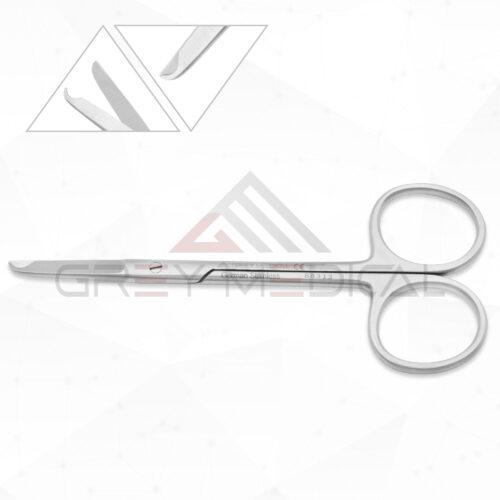
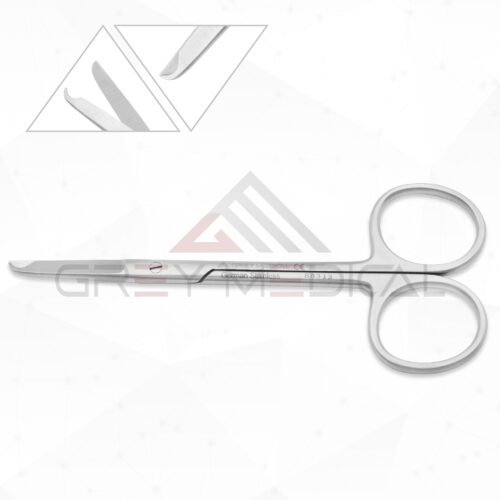
Suture scissors are specialized surgical instruments designed for cutting sutures efficiently and safely during medical procedures. Their precise construction allows healthcare professionals to remove or trim sutures with controlled movements while minimizing unnecessary contact with surrounding tissues. These Suture scissors are commonly used in hospitals, surgical centers, clinics, and other healthcare environments where accurate suture management is essential.
What Are Suture Scissors?
Suture scissors are typically manufactured with sharp, precisely aligned blades that provide clean and controlled cutting. Depending on their design, they may feature curved or straight blades, ergonomic handles, and specialized tips. Some models are designed specifically for removing sutures, while others can be used for trimming thread during surgical procedures. The appropriate design depends on the procedure and the type of suture being handled.
Common Uses of Suture Scissors
The primary purpose of suture scissors is to cut or remove sutures after a wound has sufficiently healed. They can also be used during surgical procedures to trim excess suture material and maintain a clean operative field. Their sharp blades help provide accurate cuts without excessive pulling or manipulation of the thread. This makes them useful for routine wound care as well as various surgical applications.
Key Features to Consider
When selecting suture scissors, construction quality, blade sharpness, handle design, and overall precision are important considerations. Stainless steel construction is widely preferred because it provides durability and supports repeated cleaning and sterilization when the instrument is designed for such use. An ergonomic handle can also improve control and comfort during repetitive procedures. The size and blade configuration should be selected according to the intended application.
Why Quality Matters in Surgical Instruments
High-quality surgical scissors should provide consistent cutting performance and reliable handling. Properly manufactured instruments can support precision and efficiency during clinical procedures. Regular inspection, cleaning, sterilization, and appropriate maintenance are also important for preserving instrument performance and extending its service life. Healthcare professionals should always follow the manufacturer's instructions for handling and reprocessing.
Choosing the Right Instrument
Selecting the right instrument depends on the clinical application, suture material, preferred blade style, and required level of precision. Different procedures may require different sizes and configurations, so understanding the instrument's intended use is essential. Reliable manufacturing standards can also help healthcare facilities maintain consistent instrument quality across their surgical and clinical settings.
Conclusion
Suture scissors play an important role in surgical instrument and clinical settings by providing controlled cutting and removal of suture materials. Their precise blades, durable construction, and ergonomic designs make them practical instruments for a range of procedures. Choosing an appropriate model and maintaining it correctly can help support reliable performance and efficient suture management.

 Arabic
 French
 Spanish
 Portuguese
 Deutsch
 Turkish
 Dutch
Dutch
 Italiano
 Russian
 Romaian
 Portuguese (Brazil)
 Greek
Greek