
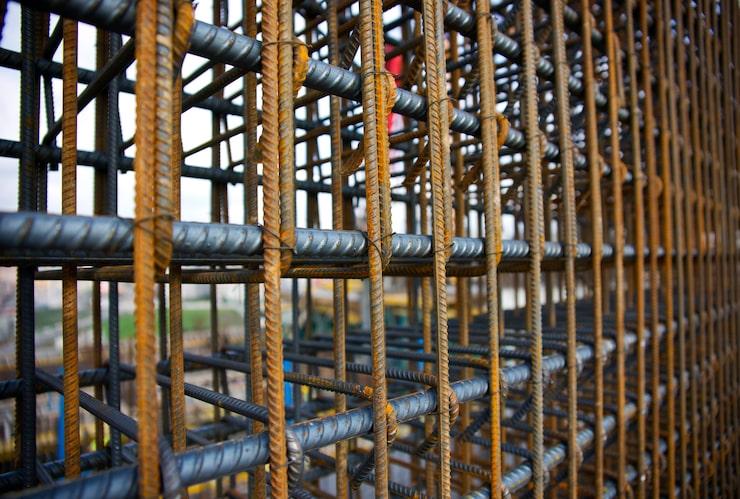
Saudi Arabia’s construction landscape is creating substantial requirements for reinforced concrete across residential developments, transport infrastructure, commercial buildings, industrial facilities, utilities, and large-scale urban projects. Rebar steel plays a fundamental role in these structures by providing the tensile strength that concrete alone cannot deliver. As projects become larger and more technically demanding, dependable reinforcement supply, product quality, steel grades, and regulatory compliance are becoming increasingly important.
According to a Vyansa Intelligence report, the Saudi Arabia rebar steel market was valued at USD 4.5 billion in 2025 and is projected to reach USD 7.8 billion by 2032, representing an 8.17% CAGR during 2026–2032. Construction investment, infrastructure development, residential building activity, industrial expansion, and demand for reinforced concrete are supporting the sector’s development.
Reinforced Concrete Underpins Major Construction
Rebar is embedded within concrete to create reinforced structural components capable of handling tensile forces. Foundations, columns, beams, slabs, retaining structures, bridges, tunnels, and numerous infrastructure assets rely on steel reinforcement.
A Saudi Arabia rebar steel market analysis therefore needs to consider the wider construction cycle. Projects require reinforcement from relatively early structural stages, meaning rebar procurement, fabrication, transportation, and installation need to be coordinated closely with concrete operations and construction schedules.
Product Quality Is a Mandatory Consideration
Structural steel cannot be evaluated on price alone. Steel grade, diameter, mechanical properties, manufacturing consistency, and compliance with applicable specifications are critical because reinforcement becomes an integral part of the completed structure.
Saudi Arabia has established direct quality requirements for these products. The Saudi Standards, Metrology and Quality Organization (SASO) lists reinforcement iron among products obligated to obtain the Saudi Quality Mark under its construction-material regulations.
This requirement gives quality assurance an important role in supplier positioning and construction procurement.
Saudi Standards Define Rebar Identification Requirements
SASO provides specific guidance concerning the information that should accompany reinforcing steel. Its official rebar guidance states that steel bars should indicate information including the steel grade code, applicable manufacturing standard, bar diameter, and manufacturer identification. Rebar bundles also require labeling containing details such as the standard number, steel grade and size, country of origin, and number of bars.
These requirements are directly relevant to rebar steel industry analysis because traceability helps contractors and project teams confirm that reinforcement supplied to a construction site corresponds with required specifications.
Infrastructure Creates Diverse Reinforcement Applications
Infrastructure construction requires reinforcement across bridges, road structures, tunnels, drainage systems, utilities, transport facilities, and other concrete-intensive assets. Different structures can require various bar diameters, steel grades, fabrication configurations, and quantities.
These detailed industry insights highlight why suppliers need more than manufacturing capacity. Contractors also depend on consistent delivery, product availability, fabrication capabilities, technical documentation, and logistics that align with construction schedules.
Residential Development Supports High-Volume Consumption
Housing construction represents another significant application for reinforcing steel. Villas, apartment buildings, residential communities, and mixed-use developments require reinforced foundations, columns, slabs, and other structural components.
Large residential developments can consume substantial quantities of standardized reinforcement, making reliable supply particularly important. Delays in rebar deliveries can affect concrete placement and subsequently disrupt other construction activities dependent on completion of structural work.
Technical Regulations Cover Multiple Reinforcement Products
Saudi Arabia’s construction-material framework recognizes that reinforcing products extend beyond conventional uncoated steel bars. SASO’s technical regulation for steel sections and alloys includes standards addressing products such as zinc-coated steel bars and epoxy-coated steel reinforcing bars for concrete applications.
For the latest industry analysis, this demonstrates how reinforcement requirements can differ according to project conditions. Corrosion exposure, durability objectives, structural design, and expected service conditions can influence the type of reinforcing product specified.
Coated Rebar Can Address Challenging Environments
Corrosion is an important consideration for reinforced concrete because deterioration of embedded steel can affect long-term structural performance. Projects exposed to aggressive environmental conditions may therefore require additional protection strategies.
Coated reinforcing products provide one possible approach. SASO’s current standards activity also includes specifications for galvanized, epoxy-coated, and zinc-and-epoxy dual-coated steel reinforcing bars.
This creates opportunities for suppliers capable of serving specialized projects where conventional reinforcement may not provide the desired durability characteristics.
Fabrication Adds Value Beyond Basic Steel Supply
Construction projects frequently require rebar to be cut, bent, shaped, and assembled according to engineering drawings. Fabrication services can therefore become an important connection between steel production and installation at the construction site.
A comprehensive rebar steel market research report should consider these downstream requirements because contractors increasingly value accurate fabrication and scheduled deliveries. Ready-to-install reinforcement can reduce on-site processing requirements and help construction teams coordinate structural activities more efficiently.
Logistics Can Influence Project Execution
Rebar is heavy, high-volume material that needs to arrive according to construction schedules. Transportation costs, manufacturing location, stock availability, fabrication capacity, and proximity to major project areas can consequently influence supplier competitiveness.
Large projects may require substantial quantities over extended periods rather than a single delivery. Suppliers capable of coordinating production and transportation with construction sequencing can provide greater value than businesses competing solely through steel pricing.
Testing and Compliance Support Structural Confidence
SASO states that Saudi standards are designed to establish technical requirements for products and achieve appropriate levels of quality and safety. Construction and building materials are specifically included among the fields covered by Saudi standards.
For reinforcing steel, compliance is particularly important because the material becomes embedded within concrete and is difficult to replace after construction. Reliable certification, labeling, testing, and documentation therefore support confidence throughout procurement and installation.
Quality and Reliable Supply Will Shape Saudi Rebar Demand
Saudi Arabia’s extensive construction requirements are positioning reinforcing steel as an essential material across buildings and infrastructure. As reinforced concrete activity expands, contractors will require dependable access to compliant products across multiple grades, diameters, coatings, and fabrication configurations.
Manufacturers and suppliers that combine consistent steel quality with certification, traceability, fabrication services, efficient logistics, and reliable delivery can strengthen their role in the construction supply chain. As projects become increasingly complex, rebar will remain fundamental to translating Saudi Arabia’s development ambitions into durable physical infrastructure.

 English
 French
 Spanish
 Portuguese
 Deutsch
 Turkish
 Dutch
Dutch
 Italiano
 Russian
 Romaian
 Portuguese (Brazil)
 Greek
Greek