
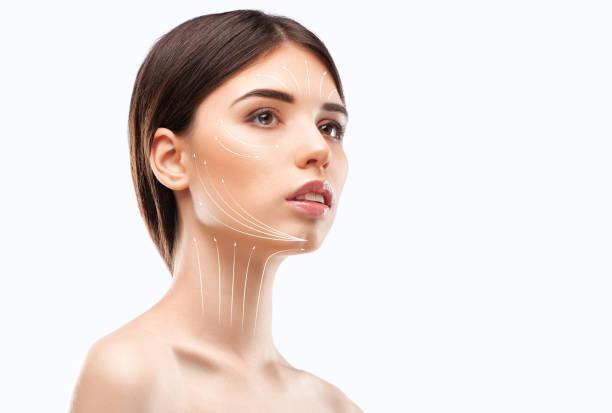
As the face ages, changes such as sagging cheeks, loose skin, deeper facial folds, and reduced jawline definition may become more noticeable. These changes happen gradually and differ from person to person, making it difficult to identify one ideal age for facial rejuvenation surgery. If you are considering a Facelift in Riyadh, understanding how age, skin quality, facial structure, and overall health influence treatment suitability can help you make an informed decision. Rather than focusing on a specific birthday, the most important consideration is whether your concerns can be addressed safely and whether surgery aligns with your expectations.
Is There an Ideal Age for a Facelift?
There is no universally recommended age for facelift surgery. Some people notice facial sagging in their forties, while others maintain relatively firm facial contours into their fifties or sixties. Genetics, sun exposure, smoking, lifestyle habits, and natural changes in skin elasticity all influence how quickly visible aging develops.
A facelift is generally considered when sagging skin and changes in underlying facial tissues become significant enough to concern the individual. The decision should also take into account general health, healing capacity, and willingness to follow postoperative instructions.
A qualified plastic surgeon can assess facial anatomy and discuss whether a facelift is appropriate. In some cases, a less extensive procedure or a non-surgical treatment may be more suitable.
Considering a Facelift in Your 40s
Some adults begin exploring facelift surgery in their forties when early signs of facial aging become more apparent. These may include mild jowls, reduced definition along the jawline, or sagging around the lower cheeks.
Signs That May Lead to Treatment
People in this age group may notice that their facial contours look less defined than before. Changes in skin elasticity and facial volume can contribute to these concerns, although the extent varies considerably.
A mini facelift may be an option for selected individuals with mild to moderate lower-face sagging. However, not everyone in their forties needs surgery. If concerns are limited to fine lines, uneven pigmentation, or mild volume loss, other treatments may be more appropriate.
Considering a Facelift in Your 50s
The fifties are a common time for people to consider facial rejuvenation because changes in skin firmness and tissue support may become more noticeable. Jowls, deeper folds, and loose skin around the lower face can affect the overall facial contour.
What Can a Facelift Improve?
Depending on the individual's anatomy and the technique used, facelift surgery may help reposition sagging tissues, reduce excess skin, and improve jawline definition. Some people may also benefit from addressing the neck if loose skin extends below the jawline.
A consultation is essential to determine the appropriate procedure. The goal is to improve facial contours while maintaining a natural appearance, not to eliminate every sign of aging.
Considering a Facelift in Your 60s and Beyond
Adults in their sixties and older may also be suitable candidates for facelift surgery. Age alone does not automatically prevent someone from having a procedure, but overall health and surgical risk become particularly important considerations.
A surgeon will review medical conditions, medications, smoking or nicotine use, and other factors that could affect anesthesia, healing, and recovery. Skin quality and the degree of tissue laxity will also help determine the likely benefits.
Some older adults may achieve meaningful improvements in facial sagging, while others may be advised to consider alternative treatments or avoid surgery because of individual health risks. A personalized medical assessment is more useful than relying on age alone.
Factors That Matter More Than Your Age
Although age can influence facial changes, several other factors help determine whether facelift surgery is appropriate.
Skin Elasticity and Facial Structure
Skin quality, the distribution of facial fat, bone structure, and the degree of sagging all influence surgical planning. A facelift may improve loose skin and tissue descent, but it cannot correct every concern, such as pigmentation, all fine lines, or significant volume loss on its own.
General Health and Healing
Your overall health is an important part of determining surgical suitability. Certain medical conditions, medications, and nicotine use may increase complications or affect wound healing. Be sure to share your complete medical history and medication list with your surgeon.
Personal Goals and Expectations
People considering surgery should understand both its potential benefits and its limitations. A facelift can improve selected signs of aging, but it cannot stop the aging process or guarantee a particular appearance. Realistic expectations help support informed decision-making and satisfaction with the outcome.
Is a Mini Facelift Better for Younger Patients?
A mini facelift is often discussed for people with earlier or less pronounced signs of facial sagging. It generally involves a more limited surgical approach than a traditional facelift and may focus on the lower face and jawline.
However, a mini facelift is not automatically the best choice for younger adults. The suitable procedure depends on the degree of skin laxity, facial anatomy, desired improvement, and the surgeon's assessment. A more extensive procedure may sometimes be appropriate, while others may not need surgery at all.
If you are exploring a Facelift in Riyadh, ask your surgeon to explain why a particular technique is recommended, what areas it can address, and what results you can realistically expect.
How to Know When You Are Ready for a Facelift
You may wish to explore facelift surgery if sagging skin, jowls, or lower-face changes persistently concern you and you understand the recovery requirements. Being ready also means having realistic expectations, being medically suitable, and having enough time to recover without rushing back into strenuous activities.
Before deciding, discuss possible complications, incision placement, recovery time, alternatives, and the expected longevity of results with a properly qualified plastic surgeon. Taking time to evaluate your options can help you choose an approach that matches your needs.
Book a Consultation at Royal Clinic Saudia
If you are considering facial rejuvenation and want to understand whether facelift surgery is appropriate for your age and concerns, Royal Clinic Saudia can discuss your treatment goals and available options. A consultation can help clarify your suitability, expected results, potential risks, and recovery requirements so you can make an informed decision.
FAQs:
Is 40 too young for a facelift?
Not necessarily. Some people develop noticeable facial sagging in their forties, but many do not need surgery at this age. Suitability depends on facial anatomy, skin laxity, health, and individual goals rather than age alone.
Is 50 a good age to get a facelift?
Some people in their fifties may benefit from a facelift if they have noticeable sagging or jowls. However, the best timing varies, and a qualified surgeon should assess each person's needs and medical suitability.
Can someone over 65 have a facelift?
Yes, some adults over 65 may be suitable candidates. Overall health, medical history, medications, and healing factors are more important than chronological age alone when evaluating surgical risks.
Should I choose a mini facelift or a full facelift based on age?
No. The choice should depend on the degree of sagging, facial anatomy, desired results, and professional assessment. A mini facelift may suit selected cases of mild sagging, while more extensive changes may require a different approach.

 Arabic
 French
 Spanish
 Portuguese
 Deutsch
 Turkish
 Dutch
 Italiano
 Russian
 Romaian
 Portuguese (Brazil)
 Greek