
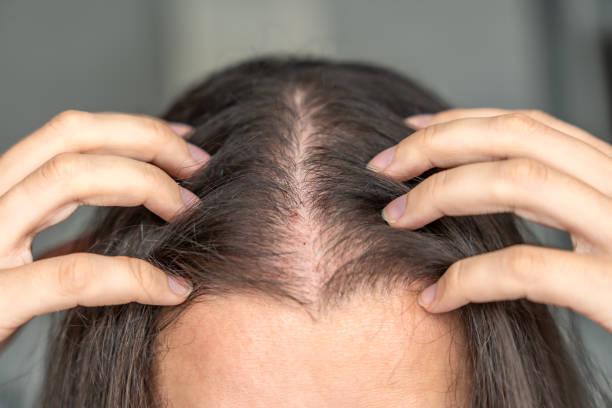
Women who prefer pixie cuts, cropped styles, or short layered haircuts often want to address thinning without limiting their future styling choices. A Female Hair Transplant in Dubai may be considered when hair loss affects a suitable area and enough appropriate donor hair is available. However, the best approach depends on more than the area being treated. Hair length, scalp characteristics, donor density, and the visibility of any surgical marks all deserve attention during planning.
Short hairstyles can expose parts of the scalp that longer hair might cover. This makes donor-area design and realistic expectations particularly important. A consultation should consider how the hair looks when worn naturally, how it is likely to be styled after healing, and whether the potential benefits justify the procedure's risks.
How Short Hairstyles Affect Female Hair Transplant Planning
Hair length influences how the donor area and recipient area appear after a procedure. Women who wear short hair may have different priorities from those who keep their hair long, particularly when choosing a harvesting method.
Planning may involve assessing:
-
The length and style of hair usually worn.
-
The density and distribution of hair in the donor region.
-
Whether the scalp becomes visible around the sides or back of the head.
-
The location and extent of the thinning being treated.
-
The patient's preference for keeping the hair short throughout the year.
-
The possibility of visible scars or uneven density after healing.
These considerations do not automatically rule out transplantation. Instead, they help the clinician discuss which approach, if any, may be appropriate.
Female Hair Transplant in Dubai and Donor-Area Visibility
The donor area is the region from which follicles are harvested for transplantation. Its appearance after treatment matters because short hair may leave it more exposed.
Different surgical methods create different types of donor-site changes. Follicular unit extraction (FUE) removes individual follicular units through small extraction sites. Follicular unit transplantation (FUT) involves removing a strip of scalp, which leaves a linear scar. Neither method is universally best for every patient.
Understanding FUE with short hair
FUE does not produce a single long incision scar, but it does create multiple small extraction marks. These may be difficult to notice in some patients and more visible in others, depending on factors such as healing, skin characteristics, extraction distribution, and hair length.
Overharvesting can also reduce donor density and make the scalp more visible. A carefully planned extraction pattern is therefore important, particularly for someone who prefers a very short cut.
Understanding FUT with short hair
FUT leaves a linear scar in the donor area. The visibility of that scar can depend on healing, scar characteristics, hair density, and the length of the surrounding hair. Some people can cover a linear scar with their preferred hairstyle, while others may find it noticeable.
A woman who frequently wears cropped hair should discuss the potential appearance of the donor area before choosing this method. The clinician should explain the trade-offs rather than recommending a technique based on the recipient area alone.
Choosing a Suitable Hairline or Coverage Plan
The treatment goal also affects planning. Some women want to restore a receding frontal hairline, while others are concerned about localised gaps or thinning around a specific region. The design should reflect the patient's natural hair pattern and the amount of donor hair that can reasonably be used.
A personalised plan may consider:
-
The natural direction and angle of existing hair.
-
The contrast between scalp and hair colour.
-
The size of the area requiring coverage.
-
The density that may be achievable with available grafts.
-
The patient's usual parting and styling habits.
-
Whether medical treatment or another non-surgical option should be considered first.
Transplantation redistributes existing follicles; it does not create an unlimited supply of hair. A conservative plan may be more appropriate than trying to achieve maximum density in one session.
Recovery Considerations for Women With Short Hair
The early recovery period can involve redness, small scabs, swelling, tenderness, and temporary changes in the appearance of the treated areas. The duration and intensity vary between individuals and procedures.
Women with short hair may notice these changes more easily because the scalp is less covered. Before treatment, ask the clinical team how the donor and recipient areas may look during the first days and weeks, and when it may be reasonable to return to normal hair washing, exercise, and styling.
Follow the aftercare instructions provided by the treating clinician. Avoid picking at scabs, applying unapproved products to healing areas, or using styling practices that disturb the scalp. Do not assume that the scalp can be shaved or trimmed at a particular time without checking first.
Who May Be Suitable for Female Hair Transplantation
Short hair alone does not determine suitability. The clinician must first assess the cause and pattern of hair loss and whether transplantation is likely to provide a reasonable benefit.
Assessment may include a medical history, scalp examination, review of hair-loss progression, and evaluation of donor density. Where the cause is uncertain or active hair loss is suspected, additional medical evaluation may be needed before surgery is considered.
A transplant may be unsuitable or require postponement if the donor supply is insufficient, hair loss is progressing unpredictably, or an underlying scalp condition needs treatment. The procedure also carries risks, including infection, scarring, poor graft growth, temporary shedding, and results that differ from expectations.
Questions to Discuss Before Booking a Procedure
Before deciding on treatment, ask the clinician to explain the plan in terms of the hairstyle you actually wear.
-
Which donor-hair method is appropriate for my scalp and preferred hair length?
-
What types of scars or extraction marks could be visible with a short haircut?
-
How much donor density can be preserved safely?
-
How might the treated area look during recovery?
-
Would medical management or another option be more suitable for my pattern of hair loss?
-
What limitations should I expect regarding future cuts, shaving, or styling?
These questions can help you compare potential benefits with the practical implications of the procedure.
Frequently Asked Questions
Can women with pixie cuts have a hair transplant?
Some may be suitable, but eligibility depends on the cause of hair loss, donor density, scalp health, and the visibility of potential donor-site marks. Short hair should be discussed during the initial assessment.
Is FUE always better for women with short hair?
No. FUE avoids a single linear incision but still creates small extraction marks that may be visible. The most appropriate method depends on the patient's anatomy, goals, and tolerance for different types of scarring.
Will I need to grow my hair long after surgery?
Not necessarily, but the donor and recipient areas need time to heal, and styling restrictions may apply temporarily. Your clinician should provide guidance based on the procedure performed.
Can a hair transplant guarantee dense coverage?
No. Results depend on donor supply, scalp characteristics, graft survival, and the pattern of hair loss. A consultation should establish realistic goals rather than promise a particular density.
Arrange a Personalised Consultation at Tajmeels Clinic
If you prefer short hairstyles and are considering hair restoration, planning should account for both the area you want to improve and the visibility of the donor area. Tajmeels Clinic can discuss your concerns, review relevant treatment considerations, and help you understand whether transplantation may be suitable for your individual circumstances.
Clinic note: Short hairstyles do not automatically prevent hair transplantation, but they can make donor-area scarring or reduced density more noticeable. Technique selection and expected outcomes should be discussed with a qualified clinician before treatment.

 Arabic
 French
 Spanish
 Portuguese
 Deutsch
 Turkish
 Dutch
 Italiano
 Russian
 Romaian
 Portuguese (Brazil)
 Greek