
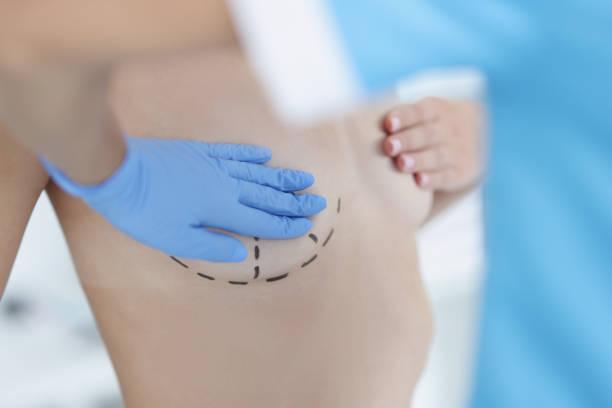
Choosing a surgeon is an important part of preparing for Breast Surgery in Dubai. Beyond discussing the desired appearance, patients should understand the proposed procedure, the surgeon’s relevant qualifications, potential complications, and the follow-up arrangements available throughout recovery.
A thoughtful consultation helps patients make decisions based on medical suitability and realistic expectations rather than photographs, trends, or promotional claims.
Why Surgeon Selection Matters for Breast Surgery in Dubai
Breast procedures involve different anatomical considerations depending on whether the goal is to change breast volume, improve position, reduce excess tissue, or address an existing concern. The surgical approach should reflect the patient’s anatomy and medical history.
A qualified professional should explain which options may be appropriate and why a particular technique is being considered. The consultation should also include an honest discussion of limitations and possible outcomes.
When evaluating a surgeon, consider the following:
-
Relevant medical qualifications and specialist training.
-
Current professional licensing and authorization to practise.
-
Experience with the specific procedure being considered.
-
Willingness to discuss risks, alternatives, and limitations.
-
Clear information about the surgical facility and anaesthesia arrangements.
-
A defined plan for postoperative reviews and urgent concerns.
These points help patients assess the quality of the decision-making process rather than relying on marketing language alone.
Questions to Ask During a Breast Surgery Consultation
A consultation should give patients enough information to decide whether they feel comfortable proceeding. It is reasonable to ask detailed questions and request clarification when medical terminology is unfamiliar.
Discuss the Proposed Technique
Ask why the recommended procedure suits your goals and anatomy. For example, breast augmentation, breast reduction, and breast lift surgery address different concerns, even though some patients may consider more than one option.
Useful questions include:
-
What changes can this procedure realistically achieve?
-
Are there non-surgical or alternative surgical options worth considering?
-
What limitations apply to my individual case?
-
Which complications should I understand before consenting?
-
What type of scarring and recovery period should I anticipate?
The answers should be specific to your circumstances rather than presented as guarantees.
Understand the Surgical Setting
Patients should know where their procedure will take place and who will be responsible for their care. Ask about anaesthesia, monitoring, discharge arrangements, and the process for contacting the clinical team after surgery.
It is also helpful to understand whether an overnight stay may be necessary and what support should be arranged at home.
Reviewing Before-and-After Photographs Carefully
Photographs can help illustrate the range of outcomes achieved in comparable cases, but they cannot predict an individual result. Differences in breast anatomy, skin quality, body proportions, and healing can affect the final appearance.
When reviewing examples, consider:
-
Whether the patients have a similar starting anatomy.
-
Whether the photographs use comparable angles and lighting.
-
Whether the stated follow-up period is clear.
-
Whether the results appear consistent with your own goals.
A responsible consultation should explain why another patient’s result may not be achievable in your case.
The Importance of Informed Consent
Informed consent is more than signing a form. Patients should understand the intended benefits, relevant risks, available alternatives, and the possibility that further treatment could be needed.
Before making a decision, ensure that you have had time to review the information and raise any concerns. You should not feel pressured to book surgery before you are ready.
It may be sensible to postpone a decision if important questions remain unanswered or if you need additional medical evaluation.
Preparing for Your Appointment
To make the consultation more productive, prepare a short summary of your goals and medical background.
Bring or note:
-
Previous breast procedures or breast-related investigations.
-
Current medications, supplements, and relevant allergies.
-
Any history of unusual bleeding, anaesthesia problems, or wound-healing difficulties.
-
Your expectations about breast size, shape, symmetry, or proportion.
-
Practical questions about time away from work, exercise restrictions, and support at home.
Share your complete medical history honestly. Do not stop prescribed medication unless your treating clinician advises you to do so.
Frequently Asked Questions
How many consultations are needed before breast surgery?
The number varies according to the procedure and the patient’s circumstances. Additional appointments may be appropriate if further investigations, medical clearance, or more time for decision-making is needed.
Should I choose a surgeon based only on price?
No. Cost is one consideration, but it should not replace assessment of qualifications, facility arrangements, the proposed technique, safety planning, and follow-up care.
Can a surgeon guarantee a particular breast shape?
No surgical outcome can be guaranteed. A surgeon can explain the intended changes and likely limitations, but anatomy, healing, and other individual factors influence the result.
Is a second opinion reasonable?
Yes. A second opinion can help clarify treatment options, especially when the proposed procedure is complex or you remain uncertain about the recommendation.
Making an Informed Decision About Breast Surgery in Dubai
The right treatment plan should reflect your goals, anatomy, health history, and willingness to accept the risks and recovery involved. Taking time to evaluate professional qualifications and discuss the details of care can support a more confident decision.
Tajmeels Clinic provides consultations for individuals exploring aesthetic treatment options. Contact the clinic to enquire about a personalized assessment and discuss your goals, suitability, and available treatment approaches.
Phone: +971 4 373 9000
Email: leads@tajmeels.ae
This article is for general educational purposes and does not replace an individual medical assessment. Procedure suitability and risks should be discussed with a qualified healthcare professional.

 English
 Arabic
 French
 Spanish
 Portuguese
 Deutsch
 Turkish
 Dutch
 Italiano
 Russian
 Romaian
 Greek