
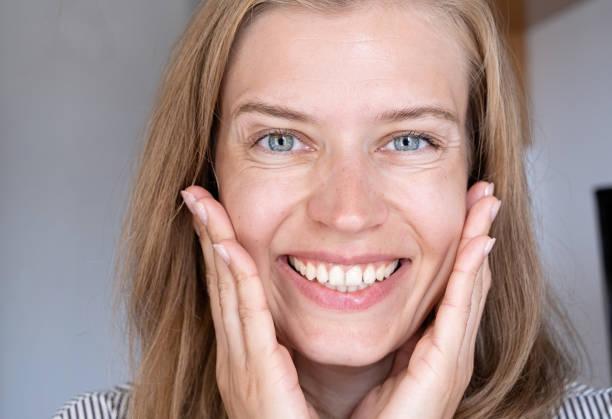
Uneven skin texture, acne scars, fine lines, and visible signs of sun damage can affect the overall appearance of the skin. Fractional CO2 laser treatment is an advanced skin-resurfacing procedure designed to improve selected skin concerns by encouraging natural healing and collagen production. For individuals considering co2 laser, understanding its potential benefits, treatment process, and recovery requirements can help them make informed decisions about their skincare goals. Although results vary between individuals, a personalised treatment plan can help address specific concerns while taking skin type, sensitivity, and medical history into account.
What Is Fractional CO2 Laser Treatment?
Fractional CO2 laser treatment uses carbon dioxide laser energy to create microscopic treatment zones in the skin. These controlled areas stimulate the skin's natural repair process while leaving surrounding tissue untreated, which can support healing compared with fully ablative resurfacing.
The procedure works by removing tiny columns of damaged skin and stimulating collagen remodeling. Collagen is an important structural protein that helps maintain skin firmness and texture. As the skin heals, improvements may develop gradually in the appearance of certain scars, wrinkles, and surface irregularities.
The treatment intensity depends on the skin concern, the area being treated, the device used, and the clinician's assessment.
Key Benefits of Fractional CO2 Laser Treatment
Fractional CO2 laser resurfacing can offer several potential benefits for appropriately selected patients. The type and degree of improvement depend on individual skin characteristics and the condition being treated.
1. Improvement in Acne Scars
Acne scars can leave depressions and uneven areas that remain long after active breakouts have resolved. Fractional CO2 laser treatment may help improve selected types of atrophic acne scars by stimulating collagen remodeling beneath the skin.
As healing progresses, some scars may appear shallower and the surrounding texture may become smoother. However, deep or tethered scars may need additional procedures, and complete scar removal cannot be guaranteed.
2. Smoother Skin Texture
Rough skin texture may result from acne scarring, sun damage, or changes associated with ageing. Fractional laser resurfacing encourages skin renewal and collagen production, which may improve surface irregularities over time.
The treatment can help create a more even-looking skin surface, although the outcome depends on the depth and cause of the texture concern.
3. Reduction in Fine Lines and Wrinkles
Collagen production naturally decreases with age, contributing to fine lines and changes in skin firmness. Fractional CO2 laser treatment may soften the appearance of selected fine lines by resurfacing the skin and encouraging collagen remodeling.
Improvements are usually gradual, and the treatment does not stop the natural ageing process. Deeper wrinkles may require a different or combined treatment approach.
4. Improvement in Sun-Damaged Skin
Long-term sun exposure can contribute to rough texture, fine lines, and uneven pigmentation. In suitable patients, fractional CO2 laser resurfacing may improve certain signs of sun damage by removing damaged surface tissue and stimulating renewal.
A clinician should assess pigmentation concerns carefully before treatment, as laser resurfacing can sometimes worsen discolouration, particularly in skin types more prone to post-inflammatory hyperpigmentation.
5. Support for Collagen Remodeling
One of the main benefits of fractional CO2 laser treatment is its ability to stimulate the skin's natural repair response. The controlled treatment zones encourage collagen remodeling, which may contribute to improvements in texture and the appearance of certain scars.
Collagen changes occur gradually, so results may continue to develop for several months after the procedure. The degree of improvement varies according to treatment intensity and individual healing.
How Does Fractional CO2 Laser Treatment Work?
Understanding the procedure can help patients know what to expect before, during, and after treatment.
Before the Treatment
The clinician assesses the skin, medical history, previous procedures, and treatment goals. Patients should disclose any history of cold sores, abnormal scarring, pigmentation disorders, or delayed wound healing. They may also receive instructions about sun exposure, skincare products, and medications before the appointment.
During the Procedure
The skin is cleansed, and a topical anaesthetic may be applied to reduce discomfort. The clinician then uses the laser handpiece to deliver controlled energy to the selected area. Patients may experience warmth, tingling, or a stinging sensation during treatment.
The length of the session depends on the size of the treatment area and the intensity of the procedure.
After the Treatment
Redness, swelling, sensitivity, and peeling are common during the initial recovery period. Small crusts may form as the skin heals. Patients should avoid picking or scratching the treated area and follow the recommended cleansing and moisturising routine.
Who May Benefit From Fractional CO2 Laser Treatment?
People concerned about certain acne scars, fine lines, uneven texture, or selected forms of sun damage may be candidates for fractional CO2 laser resurfacing. However, treatment suitability depends on skin type, the severity of the concern, general health, and the likelihood of complications.
For patients exploring Fractional CO2 Laser Treatment in Riyadh, a professional assessment is particularly important if they have darker skin, active acne or skin infections, a history of keloid scars, or conditions that may affect healing. Some patients may achieve better results with alternative treatments or a combination of procedures.
Recovery and Aftercare Considerations
Recovery varies depending on treatment intensity and individual healing. More intensive resurfacing may require one to two weeks or longer for the skin to recover, while redness can last beyond the initial healing period.
To support recovery, patients should:
-
Cleanse and moisturise the skin according to professional instructions.
-
Avoid harsh exfoliants, retinoids, and irritating skincare products until cleared by the clinician.
-
Avoid picking at peeling skin or crusts.
-
Protect the skin from direct sunlight and use appropriate broad-spectrum sun protection once advised.
-
Follow all scheduled reviews and report signs of infection or unusual healing.
Potential complications include prolonged redness, infection, scarring, and temporary or persistent changes in pigmentation. Following aftercare instructions helps support healing but cannot eliminate every risk.
Book an Appointment at Royal Clinic Saudia
Fractional CO2 laser treatment may be a useful option for improving selected skin concerns when it is matched appropriately to a patient's needs. If you are considering Fractional CO2 Laser Treatment in Riyadh, Royal Clinic Saudia can help you explore suitable options, understand the potential benefits, and discuss recovery requirements and possible risks. A professional consultation can determine whether the treatment is appropriate for your skin type, medical history, and individual skincare goals.

 English
 Arabic
 French
 Spanish
 Portuguese
 Deutsch
 Turkish
 Italiano
 Russian
 Romaian
 Portuguese (Brazil)
 Greek