
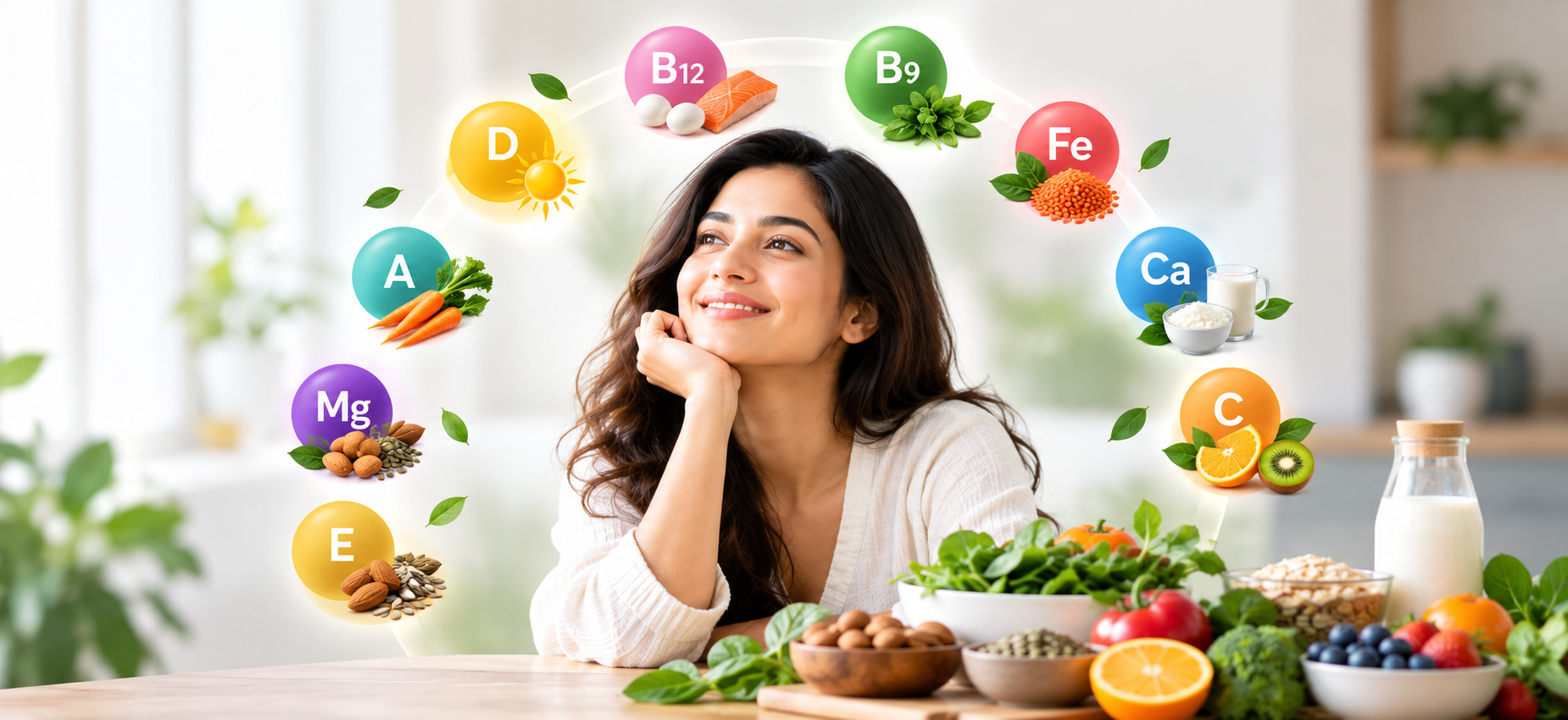
Iron plays an essential role in women's health by helping the body produce haemoglobin, a protein in red blood cells that carries oxygen to tissues and organs. When the body lacks sufficient iron, it may struggle to produce healthy red blood cells, potentially leading to iron-deficiency anaemia. According to the World Health Organization (WHO), women of reproductive age are among the groups particularly affected by anaemia worldwide.
Understanding the symptoms, causes, and nutritional approaches to iron deficiency can help women make informed decisions about their health and well-being.
Why is Iron Important for Women's Health?
Iron supports oxygen transport, energy metabolism, and normal muscle function. When iron stores become low, women may experience tiredness, weakness, reduced stamina, and difficulty concentrating.
Menstruation can increase iron loss, particularly when periods are heavy or prolonged. During pregnancy, the body's iron requirements rise to support increased blood production and the developing baby. The NIH Office of Dietary Supplements explains how iron needs vary according to age, sex, and life stage.
Common Symptoms of Iron Deficiency in Women
Iron deficiency can develop gradually, and symptoms may initially be mild. Common warning signs include:
-
Persistent fatigue or low energy
-
Weakness and reduced physical stamina
-
Dizziness or frequent headaches
-
Pale skin
-
Shortness of breath during activity
-
Noticeable or rapid heartbeats
-
Brittle nails or unusual cravings for ice
Some women may also experience increased hair shedding. However, hair loss and fatigue can have several causes, so these symptoms alone cannot confirm iron deficiency. The U.S. Office on Women’s Health provides further information about symptoms and risk factors.
What Causes Iron Deficiency in Women?
Several factors can contribute to low iron levels.
Heavy menstrual bleeding: Excessive or prolonged menstrual bleeding can gradually deplete the body's iron stores. Conditions such as uterine fibroids may contribute to heavy periods.
Pregnancy: Iron requirements increase during pregnancy to support maternal blood production and the baby's development.
Low dietary iron intake: Diets that regularly lack iron-rich foods may not provide enough iron to replace the body's daily losses.
Reduced iron absorption: Conditions such as coeliac disease and other digestive disorders can interfere with the absorption of iron from food.
Other blood loss: Bleeding in the digestive tract or other medical conditions can also cause iron deficiency. Unexplained low iron levels should be medically investigated rather than automatically attributed to diet or menstruation.
Iron-Rich Foods to Include in Your Diet
A varied diet can help women maintain adequate iron intake. Good sources include lentils, chickpeas, kidney beans, tofu, leafy green vegetables, sesame seeds, nuts, and iron-fortified cereals. Eggs, fish, and meat also provide iron for women who eat animal-based foods.
Iron from plant foods is generally less readily absorbed than iron from animal sources. Pairing plant-based iron foods with vitamin C-rich options, such as amla, guava, oranges, tomatoes, and capsicum, can improve iron absorption.
Tea and coffee may reduce iron absorption when consumed alongside iron-rich meals. Having them between meals may be helpful for women at risk of deficiency. The WHO's anaemia guidance recommends a diverse diet that includes iron-rich foods and vitamin C-rich fruits and vegetables.
Can a Multivitamin Help With Iron Deficiency?
A suitable multivitamin for women may provide iron and other essential nutrients, depending on its formulation. However, not every multivitamin contains iron, and the amount can vary between products.
A multivitamin may help address certain nutritional gaps, but it should not be considered a guaranteed treatment for iron-deficiency anaemia. Women with confirmed deficiency may need a targeted iron supplement and follow-up testing under professional guidance.
Avoid taking high-dose iron supplements without medical advice. Excess iron can be harmful, and supplements may cause side effects such as constipation, nausea, and abdominal discomfort.
How Is Iron Deficiency Diagnosed?
Symptoms alone cannot reliably confirm iron deficiency. A healthcare professional may recommend a complete blood count (CBC) to assess haemoglobin and red blood cells, along with a serum ferritin test to evaluate the body's iron stores. Additional investigations may be needed to identify the underlying cause.
Treatment depends on the individual's condition and may include dietary improvements, prescribed iron supplements, and treatment for heavy menstrual bleeding or another source of blood loss. Follow-up tests can help determine whether iron levels are improving.
Final Thoughts
Iron deficiency in women should not be overlooked or dismissed as ordinary tiredness. Recognising possible symptoms, including iron-rich foods in a balanced diet, and seeking timely medical advice can support better nutritional health.
If you suspect low iron levels, consult a healthcare professional before starting supplements. Identifying the underlying cause and following an appropriate treatment plan can help you manage iron deficiency safely.
Disclaimer: This article is for educational purposes only and is not a substitute for personalised medical advice, diagnosis, or treatment.

 English
 Arabic
 French
 Spanish
 Portuguese
 Deutsch
 Turkish
 Dutch
 Russian
 Romaian
 Portuguese (Brazil)
 Greek