
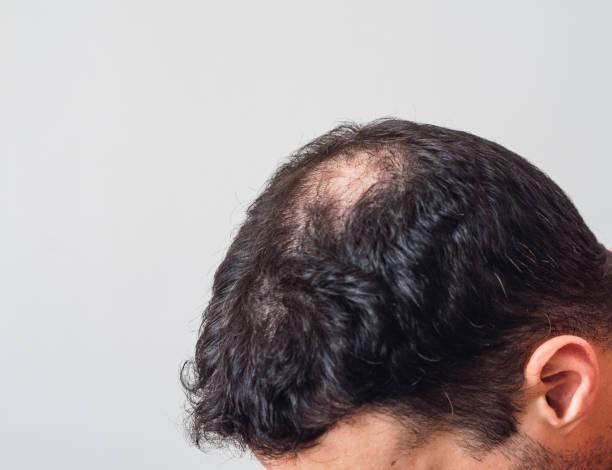
Alopecia areata is an autoimmune condition in which the immune system mistakenly attacks hair follicles, resulting in patchy hair loss on the scalp or other areas of the body. Although hair may regrow naturally in some cases, others experience persistent or extensive hair loss that requires medical evaluation. alopecia hair treatment may include specialized immunotherapy approaches designed to modify the immune response associated with the condition. Understanding how these treatments work, who may benefit from them, and what limitations they have can help patients make informed decisions with a qualified dermatologist.
What Is Immunotherapy for Alopecia Areata?
Immunotherapy refers to treatments that influence how the immune system responds. In alopecia areata, certain approaches aim to change the local immune activity associated with hair follicle inflammation. The term covers different treatment methods, so it is important to understand which type a specialist is discussing.
One approach is contact immunotherapy, which involves applying a medication to the affected skin to produce a controlled allergic reaction. Other medical treatments, including certain targeted oral medications, influence immune pathways involved in the disease. These approaches work differently and are not interchangeable.
Immunotherapy does not guarantee hair regrowth or permanently cure alopecia areata. A dermatologist evaluates the pattern and severity of hair loss before recommending an appropriate treatment.
How Does Contact Immunotherapy Work?
Contact immunotherapy is a specialized treatment that may be considered for selected patients with extensive or persistent alopecia areata. A dermatologist applies a sensitizing substance to the scalp or another affected area under controlled conditions. After sensitization, repeated applications may create a mild, localized skin reaction.
The precise mechanism by which this approach helps hair regrowth is not fully understood. It is thought to alter the immune activity around affected hair follicles, potentially allowing normal hair growth to resume in some patients.
What Happens During Treatment?
The specialist first assesses the scalp and confirms that contact immunotherapy is suitable. A small amount of the selected substance is used to establish sensitization, followed by carefully managed applications according to a clinical protocol.
Treatment generally requires repeated clinic visits and ongoing monitoring. The dermatologist adjusts the approach according to the skin's response and any side effects. Patients should not attempt this treatment at home using unprescribed chemicals or products intended for other purposes.
Who May Be a Candidate?
Contact immunotherapy may be considered for people with extensive scalp hair loss or persistent alopecia areata that has not responded adequately to other approaches. It may not be necessary for patients with a few small patches, particularly when observation or localized treatment is reasonable.
Suitability depends on factors such as age, the affected areas, skin sensitivity, previous treatment response, and the specialist's experience with the procedure.
Potential Benefits of Immunotherapy
A Treatment Option for Extensive Hair Loss
One potential advantage of contact immunotherapy is that it may be used when alopecia areata affects large areas of the scalp. This can be relevant for patients whose hair loss is difficult to manage with treatments directed at individual patches.
However, extensive hair loss does not automatically mean immunotherapy is the best option. A dermatologist should compare it with other appropriate treatments and explain the evidence supporting each approach.
Potential for Hair Regrowth
Some patients experience partial or substantial hair regrowth following contact immunotherapy. The degree of improvement varies, and regrowth may be uneven or take several months to become noticeable.
Outcomes depend on individual factors, including the extent and duration of hair loss and the response to treatment. New patches can also appear even when previously affected areas improve.
A Specialist-Guided Alternative
For selected patients, immunotherapy provides another approach to discuss when choosing a treatment plan. Alopecia Areata Treatment in Riyadh should be based on an accurate diagnosis, realistic expectations, and an assessment of potential benefits and risks rather than promises of guaranteed results.
Possible Side Effects and Limitations
Although contact immunotherapy may help some patients, it can cause skin reactions that require careful monitoring.
Skin Irritation and Inflammation
Redness, itching, scaling, and eczema-like reactions may develop around treated areas. A mild reaction may be expected as part of the treatment process, but severe irritation is not a goal. The dermatologist may modify the treatment or pause applications if the reaction becomes excessive.
Changes in Skin Pigmentation
Some patients develop lighter or darker patches in the treated areas. These changes may be temporary or persistent, depending on the individual response and other factors. Discuss any history of pigment changes or skin sensitivity before starting treatment.
Limited or Temporary Results
Not everyone responds to immunotherapy, and treatment may need to be continued over an extended period to assess its effectiveness. Even when hair regrows, alopecia areata can recur. The commitment to regular appointments and monitoring should therefore be considered before choosing this option.
Contact immunotherapy may also be unsuitable for certain patients, including those with specific skin conditions or circumstances that increase the risk of complications. A qualified dermatologist can explain the relevant precautions.
How Does Immunotherapy Compare With Other Treatments?
The best treatment depends on the extent of hair loss, disease activity, age, medical history, and previous treatment response.
Topical Corticosteroids
Topical corticosteroids may be considered for selected patients with localized patches. They help reduce inflammation and may support regrowth in some cases. Their effectiveness varies, and prolonged or inappropriate use can cause skin thinning and other side effects.
Corticosteroid Injections
For selected patients with limited patches, corticosteroid injections can target affected areas directly. These injections may help encourage regrowth but can cause local skin thinning or pigment changes. They are generally less practical when hair loss affects extensive areas.
Oral and Targeted Medications
Certain oral medications, including Janus kinase (JAK) inhibitors, may be appropriate for eligible patients with severe alopecia areata, depending on local approvals and clinical guidance. These treatments influence immune pathways and require assessment for risks, possible drug interactions, and laboratory monitoring.
Unlike contact immunotherapy, these medications work systemically. The treatment decision should consider their specific safety requirements and the patient's overall health.
What Should You Expect During Recovery?
Hair regrowth usually takes time because follicles follow natural growth cycles. Your dermatologist may monitor progress through scalp examinations and photographs taken at different appointments. It may take several months to assess whether immunotherapy is providing a meaningful benefit.
Follow the specialist's instructions carefully, avoid applying unapproved products to treated areas, and report severe itching, blistering, spreading irritation, or unexpected skin changes. Consistent follow-up helps the clinician adjust treatment and determine whether another approach may be more suitable.
How to Decide Whether Immunotherapy Is Right for You
Before starting treatment, discuss the likely benefits, limitations, side effects, and duration of care with your dermatologist. Ask how success will be measured, how often you will need appointments, and what alternatives are available if regrowth is limited.
Alopecia Areata Treatment in Riyadh should be tailored to your individual condition rather than based on a single treatment recommendation for everyone. An accurate diagnosis is especially important because other causes of hair loss can resemble alopecia areata but require different management.
Conclusion
Immunotherapy may help selected people with alopecia areata, particularly those with extensive or persistent hair loss. Contact immunotherapy works by creating a controlled skin reaction that may alter local immune activity, although its results are variable and side effects are possible. Other immune-targeting medications may also be considered in appropriate cases.
For personalized guidance, consult Royal Clinic Saudia to discuss your symptoms, treatment goals, and available Alopecia Areata Treatment in Riyadh options. A qualified specialist can help you compare suitable approaches and establish realistic expectations for managing hair loss.

 Arabic
 French
 Spanish
 Portuguese
 Deutsch
 Turkish
 Dutch
 Italiano
 Russian
 Romaian
 Portuguese (Brazil)
 Greek