
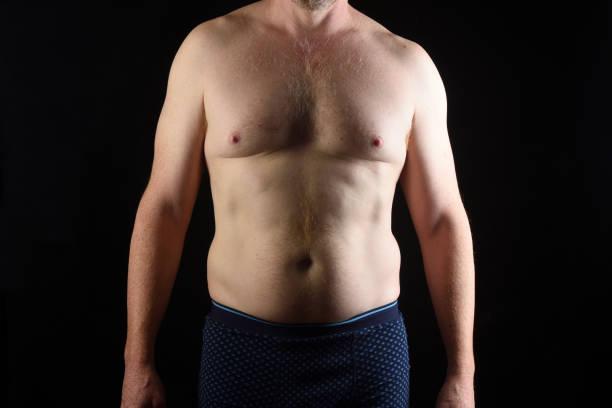
Pectoral Implant Surgery in Dubai is a surgical procedure designed to improve the shape, projection, and definition of the male chest using specially designed implants. It may suit men who want more noticeable pectoral contours but have not achieved their desired chest appearance through exercise alone, as well as individuals with certain chest-wall differences or asymmetry.
The procedure focuses on the chest's external shape rather than muscle performance. Understanding how implants work, who may be suitable, and what recovery involves can help patients decide whether this form of chest enhancement aligns with their goals.
Understanding Pectoral Implant Surgery in Dubai
Pectoral implant surgery involves placing solid, medical-grade silicone implants beneath the chest tissues to create additional volume and improve the appearance of the pectoral region. The implants are designed specifically for the chest and differ from breast implants used in breast augmentation.
Men consider this procedure for different reasons. Some want a fuller chest profile, while others seek to improve a visible difference between the two sides of the chest.
Potential goals include:
-
Adding projection to a relatively flat chest.
-
Creating a more defined pectoral outline.
-
Improving certain forms of chest asymmetry.
-
Addressing chest-muscle underdevelopment associated with some congenital conditions.
-
Restoring contour in selected cases involving an existing chest-wall difference.
The suitability of surgery depends on the patient's anatomy, health, expectations, and the cause of the chest concern.
How Pectoral Implants Change Chest Contours
Pectoral implants add structure beneath the chest tissues, creating a fuller appearance in the treated area. Their shape, size, and placement influence the final contour.
However, implants do not reproduce every feature of naturally developed pectoral muscles. They also do not increase muscle strength or replace the physical benefits of resistance training.
Implant Size and Shape
Choosing an implant involves more than selecting a preferred size. A surgeon considers chest width, existing muscle development, tissue coverage, body proportions, and differences between the left and right sides.
An implant that is too prominent for the patient's frame may look disproportionate or create unwanted edges. A carefully selected implant should complement the patient's anatomy rather than dominate it.
Placement and Surgical Approach
Pectoral implants are placed through a surgical incision, often in the armpit area, depending on the technique and the individual's anatomy. The surgeon creates a suitable pocket for the implant and positions it to achieve the planned contour.
The exact approach varies. Patients should ask about incision location, implant positioning, expected scarring, and how the chosen technique may affect recovery.
Who May Consider Pectoral Implant Surgery in Dubai?
Men with naturally limited pectoral projection may consider surgery if they want a more prominent chest and understand the procedure's limitations.
It may also be considered in selected cases involving congenital chest-wall differences, including Poland syndrome, which can affect the development of chest muscles on one side.
A consultation should establish whether implants are an appropriate option or whether another approach would better address the concern.
A potential candidate generally needs to:
-
Be in suitable overall health for elective surgery.
-
Have realistic expectations about the appearance implants can create.
-
Understand the risks and recovery requirements.
-
Be willing to follow postoperative instructions.
-
Discuss relevant medical conditions, medications, nicotine use, and previous chest procedures with the surgeon.
Only an individual assessment can establish suitability.
What to Expect Before and After Surgery
Before surgery, the consultation typically covers the desired chest shape, medical history, physical examination, implant options, and potential complications. Patients should also discuss anaesthesia, incision placement, follow-up appointments, and activity restrictions.
After the procedure, temporary soreness, swelling, tightness, and bruising may occur. The initial recovery period is often measured in weeks, but healing and the return to strenuous exercise can take longer.
Patients should follow their surgeon's instructions concerning wound care, sleeping positions, compression garments if prescribed, lifting, and upper-body exercise.
The final contour should not be judged too early because swelling can temporarily change the appearance of the chest.
Risks to Understand Before Choosing Surgery
Pectoral implant surgery is an elective procedure, so the expected benefits should be weighed against the possible complications.
Potential risks include infection, bleeding, fluid accumulation, changes in sensation, visible scarring, delayed healing, implant movement, asymmetry, muscle spasms, and the possibility of additional surgery. Anaesthesia also carries risks.
Patients should ask how complications are managed, what follow-up care is provided, and what circumstances might require implant repositioning or removal.
Frequently Asked Questions
Does pectoral implant surgery build muscle?
No. Implants add volume and alter chest contours, but they do not increase muscle strength or improve fitness.
Can pectoral implants look natural?
They can create a balanced appearance when implant selection and placement suit the patient's anatomy. The outcome varies, and implants do not perfectly reproduce naturally developed muscle.
Is pectoral implant surgery only for bodybuilders?
No. It may be considered by men with different fitness backgrounds, including those seeking greater chest projection or improvement in selected chest-wall differences.
How long does recovery take?
Initial recovery commonly takes one to two weeks, although individual experiences vary. Strenuous exercise and chest training may need to be avoided for longer, until the surgeon confirms that returning to those activities is appropriate.
Discuss Your Chest Enhancement Goals with Tajmeels Clinic
Choosing Pectoral Implant Surgery in Dubai starts with understanding what is causing the concern and whether implants can address it safely and realistically. At Tajmeels Clinic, prospective patients can begin a discussion about their desired chest contour, available treatment considerations, recovery expectations, and potential risks before making a decision.
A personalised consultation can help establish whether the procedure fits your anatomy and goals.

 English
 Arabic
 French
 Spanish
 Portuguese
 Deutsch
 Turkish
 Dutch
 Italiano
 Romaian
 Portuguese (Brazil)
 Greek