
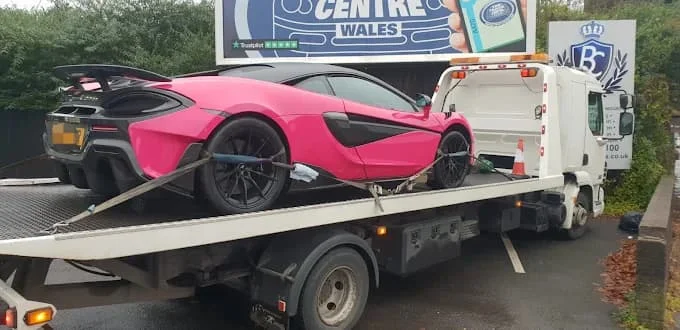
Commercial trucks are essential for moving freight, construction materials, and other goods throughout Atlanta, GA. However, mechanical failures, tire damage, and unexpected road incidents can interrupt a delivery and leave a truck stranded. When a vehicle cannot continue operating safely, knowing when to request heavy duty towing can help prevent further damage and reduce roadside risks.
For truck drivers, owner-operators, and fleet managers, recognizing the warning signs of a serious breakdown is an important part of managing commercial vehicles. Understanding when roadside repairs may be sufficient and when professional towing is necessary can also help minimize downtime.
When a Truck Experiences a Major Engine Failure
Engine trouble is one of the clearest reasons to consider heavy duty towing. Commercial truck engines operate under demanding conditions, especially during long-distance trips and while carrying heavy loads.
Warning signs may include severe overheating, unusual knocking sounds, a sudden loss of power, or an engine that stops running unexpectedly. Some dashboard warnings also indicate problems that require the engine to be shut down promptly.
If the engine has suffered significant damage or cannot operate safely, continuing to drive may make the problem worse. Drivers should stop in a safe location when possible, follow the vehicle manufacturer's guidance, and contact a qualified roadside service provider. If the truck cannot be repaired safely at the scene, heavy duty towing may be necessary to transport it to a repair facility.
When Brake Problems Make Driving Unsafe
A commercial truck's braking system is critical for controlling a heavy vehicle in traffic. Problems with air pressure, brake components, or other essential braking equipment can make continued driving dangerous.
Drivers should take warning signs seriously, including brake system alerts, unusual braking behavior, or a loss of expected braking performance. If the truck cannot stop or remain under control safely, it should not continue on the road.
Contact roadside assistance and arrange appropriate towing or recovery when necessary. If the truck is creating an immediate traffic hazard, contact emergency services or the appropriate highway authorities. Never attempt to drive a truck with a suspected serious brake failure to reach a repair shop.
When a Tire Blowout Causes Serious Damage
Tire failures are common concerns for commercial drivers, particularly when trucks travel long distances or carry heavy cargo. A blowout can damage a tire, wheel, or nearby components and may affect the driver's ability to control the vehicle.
Sometimes, a qualified tire technician can replace a damaged tire at the roadside. However, towing may be necessary if the wheel assembly is severely damaged, multiple tires have failed, an axle is affected, or the truck cannot be positioned safely for repairs.
Drivers should report the extent of the damage when requesting assistance. Explaining whether the truck is loaded, whether a trailer is attached, and whether the vehicle is blocking traffic helps the provider determine what equipment may be required.
When Transmission or Drivetrain Problems Stop the Truck
Transmission and drivetrain failures can leave a commercial truck unable to move even when its engine is still running. Drivers may notice difficulty shifting gears, grinding noises, fluid leaks, or a sudden loss of drive power.
These symptoms should not be ignored. Attempting to force the truck to move may cause additional damage to expensive mechanical components.
If a technician determines that the problem cannot be resolved at the roadside, heavy duty towing can transport the vehicle to a suitable repair facility. The towing provider should know the nature of the failure so the appropriate towing method can be selected.
After a Collision or Roadside Accident
Accidents can damage a truck's steering, suspension, wheels, frame, or other critical components. Even if a vehicle appears capable of moving, hidden damage may make it unsafe to drive.
Heavy duty towing may be needed when a semi-truck, tractor-trailer, dump truck, or box truck is disabled after a collision. More complex recovery may also be required if the vehicle has left the roadway, become stuck, or overturned.
Drivers should first check for injuries and contact emergency services when necessary. They should also follow instructions from responding authorities and avoid entering traffic to inspect the damage. A qualified towing and recovery operator can assess the situation and determine how the disabled vehicle should be moved.
When a Truck Becomes Stuck Off the Road
Atlanta-area commercial drivers may encounter soft shoulders, muddy ground, uneven surfaces, or other conditions that cause a truck to become stuck. A loaded vehicle can be especially difficult to recover because of its weight and the condition of the surrounding ground.
Repeatedly accelerating or attempting to pull free without a suitable recovery plan may cause the wheels to dig deeper or place additional strain on the vehicle.
In these situations, professional heavy-duty recovery may be appropriate. Tell the provider where the truck is positioned, whether the trailer is attached, and whether the vehicle is loaded. This information helps the operator evaluate the recovery and prepare suitable equipment.
When Roadside Repairs Are Not Enough
Not every breakdown requires a tow. Some problems, such as a discharged battery or a repairable tire issue, may be resolved by a qualified roadside technician.
However, towing becomes a more appropriate option when the problem requires workshop equipment, replacement components that are unavailable at the scene, or repairs that cannot be performed safely on the roadside.
Drivers should avoid attempting complex repairs in unsafe locations or working beneath a vehicle without appropriate equipment and precautions. If the technician determines that the truck cannot be returned to safe operating condition at the scene, arrange heavy duty towing.
What Should Truck Drivers Do Before Calling for Towing?
Taking a few practical steps can help drivers communicate the problem clearly and protect themselves while waiting for assistance.
-
Move to safety if possible. If the truck can be moved safely, pull as far away from moving traffic as conditions allow. Turn on the hazard lights.
-
Assess immediate danger. If there is a fire, collision with injuries, hazardous material release, or another emergency, contact 911.
-
Notify the appropriate contact. Company drivers should follow their carrier's breakdown procedures and notify their dispatcher when safe to do so.
-
Describe the problem. Explain any warning lights, unusual noises, fluid leaks, tire damage, or loss of power.
-
Provide your exact location. Share the highway name, direction of travel, nearest exit, mile marker, or GPS location.
-
Explain the vehicle configuration. Identify the truck type, whether a trailer is attached, and whether the vehicle is carrying cargo.
-
Ask about the required equipment. Confirm that the provider can handle the vehicle's size, weight, and recovery requirements.
If the truck is stopped beside a busy highway, avoid standing near moving traffic or attempting risky roadside repairs. Follow emergency personnel's directions and use appropriate warning devices when it is safe and lawful to do so.
Why Choosing the Right Heavy Duty Towing Provider Matters
Heavy-duty vehicles require equipment designed for their weight and configuration. A standard tow truck may not be suitable for a loaded tractor-trailer or a disabled commercial vehicle with substantial mechanical damage.
A qualified provider can evaluate the circumstances, determine the appropriate recovery method, and help move the vehicle to a suitable destination. When requesting a tow, drivers should ask about equipment capabilities, estimated arrival time, service charges, and any additional recovery requirements.
Fleet managers can also prepare for unexpected breakdowns by keeping towing contacts available and establishing clear procedures for roadside emergencies. Planning ahead can make it easier to respond when a vehicle becomes disabled during a delivery.
Get Heavy Duty Towing Assistance in Atlanta, GA
Commercial truck breakdowns can lead to delivery delays, unexpected repair expenses, and dangerous roadside situations. Drivers should call for heavy duty towing when a serious mechanical failure, brake problem, accident, or difficult recovery makes it unsafe or impractical to continue driving.
For commercial drivers and fleet operators seeking towing assistance in Atlanta, drwrecker.com is a provider to consider when a heavy-duty vehicle needs professional help. Having a towing contact ready before a breakdown occurs can help drivers respond more efficiently and arrange the appropriate next steps for their disabled truck.

 Arabic
 French
 Spanish
 Portuguese
 Deutsch
 Turkish
 Dutch
 Italiano
 Russian
 Romaian
 Portuguese (Brazil)
 Greek