
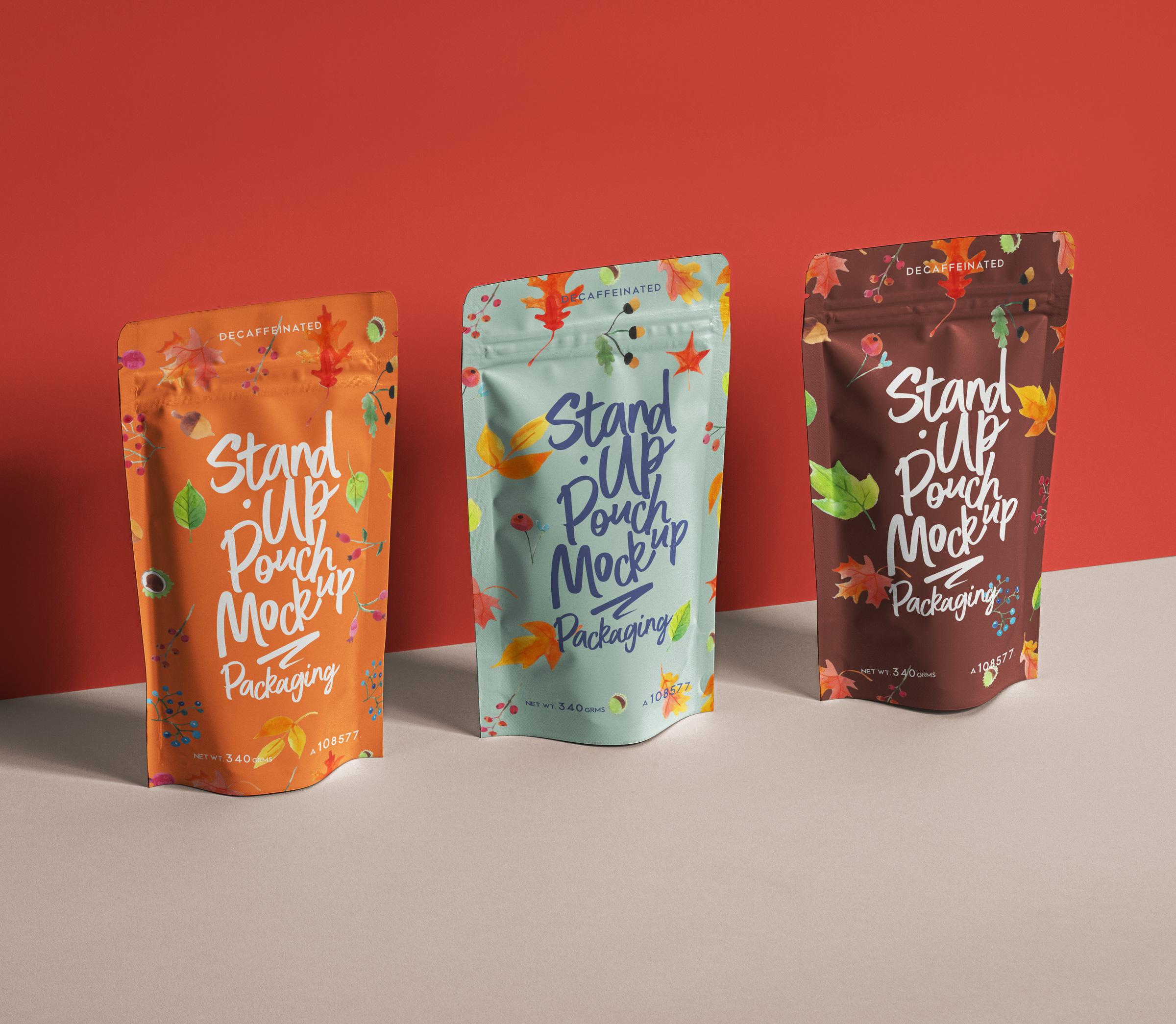
Stand Up, Stand Out: A Practical Guide to Pouch Packaging
Some packaging works quietly in the background. A good pouch is not one of those. It sits on a shelf, competes with dozens of neighbors, and has a few seconds to convince a shopper that what's inside is worth buying. It also has to keep coffee fresh, granola crisp, or supplements sealed until the customer is ready. Choosing the right custom packaging pouches helps with both jobs, protecting the product while giving your brand a confident, recognizable face. This guide covers why packaging matters, how to choose materials and sizes, and how to order sensibly.
Why Pouch Packaging Deserves Careful Thought
Shoppers read packaging as a signal of quality, and many care about what happens to it afterward. A Shorr Packaging survey of more than 1,100 US consumers found that 58% were likely or very likely to buy products that clearly state their packaging is recyclable or reusable. If your pouch uses recyclable film or can be reused at home, saying so on the front is an easy way to earn trust.
Pouches also carry practical advantages. They are lighter than rigid containers, ship flat before filling, and take up less storage space. A recognizable design helps repeat customers find you quickly in a crowded aisle or online listing. For small brands with limited ad budgets, custom packaging pouches act as a quiet marketing channel that reaches every single buyer.
Understanding Structure and Closures
Gussets, Bases, and Stability
Flat pouches are simple and inexpensive, but they can slump on shelves. Adding a gusset, a fold in the side or bottom, gives the pouch volume and lets it stand upright. Side gussets suit coffee and bulk goods, while a flat bottom creates a boxy shape that sits neatly and shows off the front panel. Custom gusset bags with a flat base look tidy on retail shelves and hold more product for the same footprint.
Zippers, Valves, and Tear Notches
A resealable zipper keeps contents fresh and lets customers reuse the pouch. Tear notches make opening easy without scissors. Degassing valves help with freshly roasted coffee by letting gas escape without letting air in. Choose features based on how people actually use the product, not just how the pouch looks.
Choosing Materials That Protect
Match the Barrier to the Product
Dry snacks, tea, and spices benefit from films that block moisture and oxygen. Powders and supplements need tight seals and sometimes opaque layers to block light. Lighter goods like craft supplies or small accessories need less barrier protection and can use thinner materials. Ask your supplier about barrier ratings and food-safe certifications before ordering.
Pick a Finish That Fits Your Brand
Kraft paper laminates feel natural and earthy. Matte films read clean and modern, while gloss films pop under bright store lighting. Windows let shoppers see the product, which helps with confidence, but keep them modest so the pouch stays strong. Where possible, choose recyclable or mono-material options.
Getting the Size Right
Measure the Product and the Headspace
A pouch that is too large looks half empty and wastes material. One that is too small strains seams and makes sealing difficult. Fill a sample with your real product, seal it, and check how it stands and ships. Leave a little headspace if your product settles or needs air. If you sell multiple sizes, order matching pouches instead of forcing one to fit everything.
Test Under Real Conditions
Drop a filled sample, squeeze it, and leave it in a warm car for an hour. Packaging that survives small tests like these usually survives real handling. Ask suppliers about seal strength and any testing data they can share. Many brands also order a handful of custom gusset bags in two sizes first, then scale up once they know which one fits best.
Design Tips That Build Recognition
Keep the Front Clean
One bold color, a clear logo, and a short line of copy usually look more premium than a crowded layout. Put the most important information, such as product name and key benefit, in the top third where it stays visible even when pouches are stacked. Make sure ingredient lists, usage notes, and required labels are easy to read. Use high-resolution vector files so printing stays crisp. When your custom packaging pouches look consistent with your website and signage, customers recognize you faster.
Use the Back Panel Wisely
The back of the pouch is a good place for your story, usage tips, or a QR code linking to recipes and reorder pages. Keep text short and easy to scan, and use icons for quick messages like recyclable or resealable.
Budget, Sampling, and Timing
Pricing depends on material, size, print method, finishes, and quantity. Setup costs such as plates or cylinders are spread across each order, so larger runs usually lower the cost per unit. Still, avoid overbuying before a design is proven. Start with a quantity you can sell in a few months, then reorder as demand grows. Custom Gusset Bags include proofs and delivery in each quote, and confirm that your custom packaging pouches can be reordered using the same artwork file.
Production often takes several weeks, so order ahead of seasonal peaks. Always request a physical sample and test it with your real product.
Frequently Asked Questions
Can I order a small batch to test a design?
Often, yes. Digital printing generally allows lower minimums, which suits a trial run. Many brands start with a small order of custom gusset bags in their bestselling size and expand once customer feedback is positive.
Are food-safe materials required?
If the pouch touches food, yes. Requirements vary by region, so ask your supplier for documentation on films, inks, and adhesives. Confirm that your custom packaging pouches meet local rules before you sell.
How do I keep products fresh longer?
Choose a barrier material suited to your product, add a resealable zipper, and test seal strength. For items sensitive to air or light, ask about metallized or opaque films.
Final Thoughts
Good pouch packaging protects the product, tells your story, and makes life easier for customers. Choose materials that suit what you sell, size every pouch around the real product, and keep the design clean and recognizable. Do that, and your custom packaging pouches will do more than hold your goods. They will help turn first-time buyers into loyal repeat customers.

 English
 Arabic
 French
 Spanish
 Deutsch
 Turkish
 Dutch
 Italiano
 Russian
 Romaian
 Portuguese (Brazil)
 Greek