
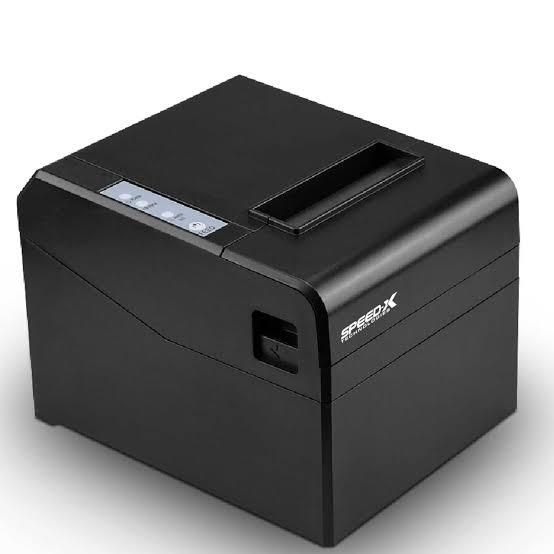
In today's fast-moving business world, providing customers with quick and reliable service is essential. Whether you operate a retail shop, supermarket, restaurant, pharmacy, grocery store, or other commercial business, printing receipts is an important part of daily transactions. A thermal receipt printer is a modern printing device that helps businesses print clear receipts quickly without using traditional ink cartridges or toner.
Thermal receipt printers are widely used because they are fast, convenient, cost-effective, and easy to operate. They help businesses manage sales transactions, provide customers with printed payment records, and improve checkout efficiency.
In this blog, we will explain what a thermal receipt printer is, how it works, its different types, benefits, applications, and important features to consider before purchasing one.
What Is a Thermal Receipt Printer?
A thermal receipt printer is a specialized printing device that uses heat to print text, numbers, logos, and other information on thermal paper. Unlike traditional printers, it does not require ink cartridges or toner to produce printed receipts.
These printers are commonly used at checkout counters, billing stations, restaurants, supermarkets, and service businesses. They provide fast printing and produce clear receipts containing product details, prices, taxes, payment information, and transaction numbers.
Thermal receipt printers are available in different sizes and models, making them suitable for small businesses as well as large commercial operations.
How Does a Thermal Receipt Printer Work?
A thermal receipt printer works through a heating mechanism that creates text and images on special thermal paper.
When a customer completes a purchase, the billing or point-of-sale (POS) software sends transaction information to the printer. The printer's thermal printhead generates heat in specific areas of the paper, causing its heat-sensitive coating to change color.
This process produces the required text, numbers, logos, and other receipt details.
Because thermal receipt printers do not use traditional ink or toner, they offer a convenient and efficient printing solution for businesses that process multiple transactions every day.
What Are the Different Types of Thermal Receipt Printers?
Thermal receipt printers are available in different designs to meet various business requirements. Some common types include:
1. Desktop Thermal Receipt Printer
Desktop thermal receipt printers are commonly used in retail stores, supermarkets, pharmacies, and offices. They are compact, easy to install, and suitable for regular receipt printing.
Benefits:
- Compact and space-saving design.
- Easy installation and operation.
- Fast receipt printing.
- Suitable for everyday business transactions.
2. Portable Thermal Receipt Printer
Portable thermal receipt printers are lightweight devices designed for businesses that require printing while moving between locations.
They commonly support Bluetooth or Wi-Fi connectivity, allowing users to print receipts directly from compatible mobile devices.
Common applications:
- Delivery services.
- Mobile payment systems.
- Field sales operations.
- Transportation services.
- Outdoor business activities.
3. POS Thermal Receipt Printer
POS thermal receipt printers are designed to work with point-of-sale systems. They are commonly installed at checkout counters to print customer receipts quickly.
They are suitable for restaurants, supermarkets, retail shops, and other businesses that handle frequent customer transactions.
4. High-Speed Thermal Receipt Printer
High-speed thermal receipt printers are designed for businesses that process large numbers of transactions. They provide fast printing performance and help reduce customer waiting times.
They are particularly useful in busy supermarkets, restaurants, shopping centers, and large retail stores.
Why Is a Thermal Receipt Printer Important for Businesses?
Thermal receipt printers offer several advantages that make them a popular choice for modern businesses.
1. Fast Printing Performance
Thermal receipt printers produce receipts quickly, helping businesses process customer transactions without unnecessary delays. Faster printing improves checkout operations and customer service.
2. No Ink or Toner Required
One of the biggest advantages is that thermal receipt printers do not require traditional ink cartridges or toner. This reduces the need for frequent cartridge replacements and simplifies printer maintenance.
3. Cost-Effective Operation
Because these printers use thermal paper instead of traditional ink-based printing supplies, they can help businesses reduce certain printing expenses.
4. Clear and Professional Receipts
Thermal printing produces readable text, numbers, and transaction details. Businesses can provide customers with professional-looking receipts for their purchases.
5. Easy Installation and Maintenance
Most thermal receipt printers are designed for simple installation and everyday use. They generally require less routine maintenance than traditional inkjet printers.
6. Quiet Printing Operation
Thermal receipt printers usually operate quietly, making them suitable for retail counters, restaurants, offices, and other customer-facing environments.
7. Improved Customer Experience
Fast receipt printing helps customers complete purchases more efficiently. It also provides a convenient record of their transactions.
Where Are Thermal Receipt Printers Commonly Used?
Thermal receipt printers are used in many industries because they provide quick and reliable transaction printing.
- Retail Stores: Printing customer bills, sales receipts, and transaction records.
- Supermarkets: Processing checkout transactions efficiently.
- Restaurants: Printing customer bills and payment receipts.
- Cafes: Generating order receipts and payment records.
- Pharmacies: Printing customer invoices and purchase details.
- Grocery Stores: Managing daily sales transactions.
- Hotels: Printing payment receipts and customer bills.
- Delivery Services: Providing printed payment and delivery records.
- Transportation: Printing tickets and transaction receipts.
Their versatility makes them an important part of modern billing and POS systems.
What Features Should You Consider Before Buying a Thermal Receipt Printer?
Choosing the right thermal receipt printer requires careful consideration of your business requirements. Here are some important features to evaluate.
1. Printing Speed
Choose a printer with a suitable printing speed to handle your daily transaction volume. Busy retail businesses may benefit from high-speed models.
2. Printing Width
Common thermal receipt printers support 58mm or 80mm paper widths. Select the appropriate size according to your receipt design and business requirements.
3. Connectivity Options
Check the available connectivity options, including USB, Ethernet, Bluetooth, and Wi-Fi. Make sure the printer is compatible with your existing POS system.
4. Print Resolution
A suitable print resolution helps produce clear text, numbers, logos, and barcodes.
5. Paper Compatibility
Check the supported thermal paper width, roll diameter, and paper specifications before purchasing.
6. Automatic Paper Cutting
Some thermal receipt printers include an automatic cutter that cuts printed receipts quickly and conveniently.
7. Durability and Reliability
Choose a printer designed for your expected daily printing volume. A reliable device can support consistent business operations.
8. Software Compatibility
Make sure the printer supports your billing software, POS application, operating system, and required printer commands.
How to Choose the Best Thermal Receipt Printer for Your Business?
The best thermal receipt printer depends on your business size, transaction volume, and operating environment.
Small retail stores and pharmacies may prefer compact 58mm or 80mm desktop printers. Restaurants and supermarkets may benefit from faster POS printers with automatic cutting features. Delivery companies and mobile businesses may find portable Bluetooth thermal printers more convenient.
Before purchasing, compare printing speed, paper width, connectivity, durability, warranty, and maintenance requirements.
Selecting a suitable thermal receipt printer can improve billing efficiency, simplify daily transactions, and provide a better customer experience.
A thermal receipt printer is an essential device for businesses that want fast, convenient, and reliable receipt printing. Its ink-free printing technology, quick performance, simple operation, and low maintenance requirements make it a practical solution for retail stores, restaurants, supermarkets, pharmacies, and many other industries.
By choosing the right thermal receipt printer, businesses can improve checkout efficiency, simplify billing operations, reduce printing-related expenses, and provide customers with professional transaction receipts. Investing in a reliable thermal receipt printer is a smart step toward improving everyday business operations.
Frequently Asked Questions (FAQs)
1. What is a thermal receipt printer used for?
A thermal receipt printer is used to print customer receipts, sales bills, payment records, invoices, and transaction details. It is commonly used in retail stores, restaurants, supermarkets, and pharmacies.
2. Does a thermal receipt printer require ink?
No. Thermal receipt printers use heat-sensitive paper to create text and images. They do not require traditional ink cartridges or toner.
3. What is the difference between a thermal printer and a regular printer?
A thermal printer uses heat to print on special thermal paper, while traditional inkjet and laser printers use ink or toner. Thermal printers are generally faster and more convenient for receipt printing.
4. Which thermal receipt printer is best for small businesses?
A compact 58mm or 80mm thermal receipt printer is generally suitable for small businesses. The right option depends on transaction volume, receipt requirements, and POS compatibility.
5. What paper size is used in thermal receipt printers?
Common thermal receipt printer paper widths include 58mm and 80mm. The correct paper size depends on the printer model.
6. Can a thermal receipt printer connect to a mobile phone?
Yes. Many portable thermal receipt printers support Bluetooth or Wi-Fi connectivity and can connect to compatible smartphones and tablets.
7. How long do thermal receipts last?
Thermal receipt durability depends on paper quality, storage conditions, heat, light, and environmental exposure. Receipts should be stored away from excessive heat and direct sunlight.
8. Can a thermal receipt printer print logos?
Yes. Many modern thermal receipt printers support logo printing through compatible POS software and printer commands.
9. Are thermal receipt printers suitable for restaurants?
Yes. Restaurants use thermal receipt printers to print customer bills, payment receipts, and order information. Some models can also connect to kitchen management systems.
10. How do I maintain a thermal receipt printer?
Keep the printer clean, use compatible thermal paper, avoid damaging the printhead, and follow the manufacturer's maintenance instructions. Regular cleaning can help maintain print quality.

 English
 Arabic
 Spanish
 Portuguese
 Deutsch
 Turkish
 Dutch
 Italiano
 Russian
 Romaian
 Portuguese (Brazil)
 Greek