
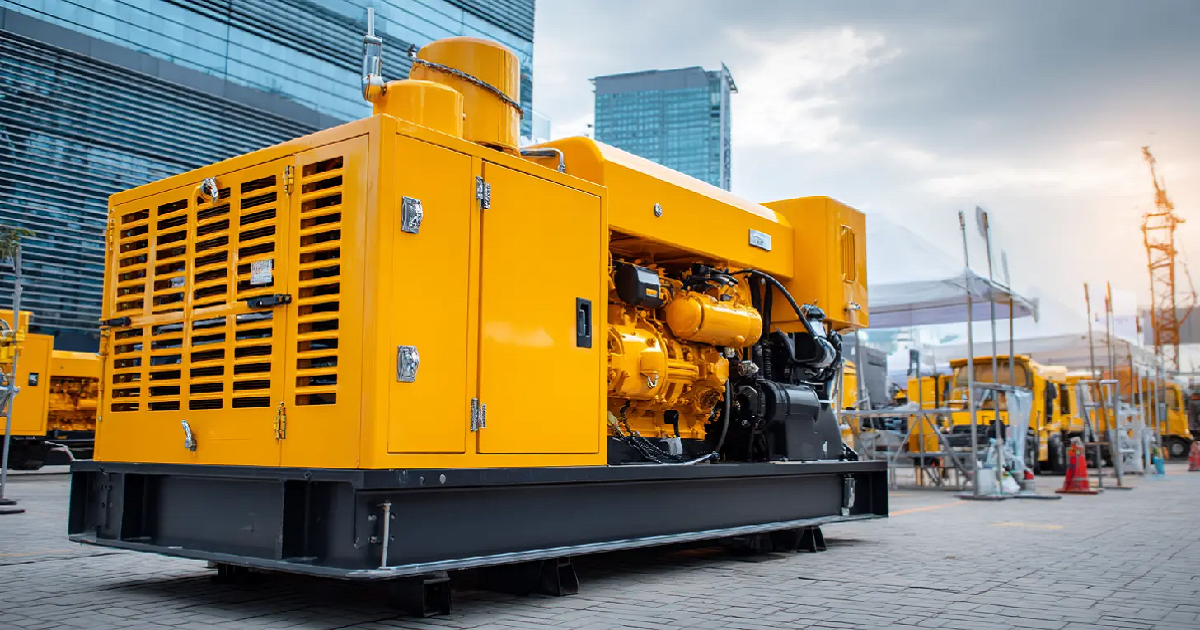
Ask any shop owner in Lahore, factory manager in Faisalabad, or clinic operator in Karachi what happens when the grid trips, and you will get the same answer: the generator roars to life, and the fuel meter starts running. Load shedding has become a part of business life, and for many of us the Diesel Generators in Pakistan are the real power source for several hours a day.
That raises an uncomfortable question. Are Diesel Generators in Pakistan quietly draining your profits, or are they a smart investment that simply needs better management? The answer depends on how you size, run, and maintain your machine. In this guide, Alpine Industrial Con walks through the real costs, the common mistakes, and the practical steps that can cut your fuel bill without risking your uptime.
Why Backup Power Is Not Optional Here
Pakistan's industrial and commercial sectors face unscheduled outages, voltage fluctuations, and frequency swings. A textile unit that loses power mid-run can ruin an entire batch of fabric. A cold storage facility can lose stock within hours. Even a small office loses productivity when computers, routers, and air conditioners go dark.
A standby power system is therefore less of a luxury and more of an insurance policy. The real issue is not whether you need one, but whether you are paying more than you should to keep it running.
The Hidden Costs Behind Your Generator
Most buyers compare the purchase price and stop there. That is a mistake, because the purchase price is often the smallest part of the lifetime cost.
Fuel Is the Biggest Line Item
With diesel prices in Pakistan sitting well above Rs 250 per litre in recent times (check the current rate before budgeting), fuel quickly overtakes everything else. A 20 kVA unit running at around 75% load can burn roughly 4 to 5 litres per hour. Run it for six hours daily, and you are looking at a monthly fuel bill that can rival a skilled employee's salary.
Maintenance and Downtime
Oil changes, filter replacements, coolant checks, and battery care all cost money. Skip them and you pay more later through breakdowns at the worst possible moment.
Idle Running and Oversizing
An oversized engine running at light load wastes fuel and suffers from "wet stacking," where unburned fuel collects in the exhaust system. This shortens engine life and increases smoke. It is one of the most common and least discussed problems in local installations.
Choosing the Right Size for Your Needs
Getting the capacity right is the single most effective way to protect your budget.
Calculate Your Real Load
List every device you need to run during an outage: lights, motors, compressors, AC units, and computers. Note that motors and compressors draw a much higher starting current than running current. Add up the running load, then account for the largest starting load.
Follow the 70–80% Rule
Engines perform best at roughly 70 to 80 percent of rated capacity. If your actual load is 15 kVA, a 20 kVA machine is a sensible fit. A 60 kVA unit would be a costly overkill.
Plan for Growth, Within Reason
If you expect to add machinery within a year or two, allow a modest buffer. Do not buy double the capacity "just in case," because you will pay for it in fuel every single day.
Why Diesel Generators in Pakistan Still Make Sense
Despite rising fuel costs, Diesel Generators in Pakistan remain the most dependable choice for heavy-duty applications. Diesel engines handle high starting loads better than petrol units, last longer under continuous operation, and are easier to service locally. Spare parts and trained technicians are widely available in every major city, which matters when downtime costs thousands of rupees per hour.
Gas generators can be cheaper to run where supply is available, but gas pressure and connection availability remain unreliable for many businesses. Solar plus battery systems are growing fast, yet they still struggle to power heavy industrial loads on their own. For most factories, hospitals, and large commercial buildings, diesel is still the backbone of backup power.
Practical Ways to Cut Your Fuel Bill
Here are steps you can apply this month.
Match Load to Capacity
Switch off non-essential equipment during outages. If your generator only needs to power critical machines, do not let it feed the entire building.
Maintain a Strict Service Schedule
Clean air filters improve combustion. Fresh oil reduces friction. Properly tuned injectors deliver fuel efficiently. A well-maintained engine can use noticeably less fuel than a neglected one producing the same output.
Buy Clean Fuel and Store It Properly
Contaminated or water-diluted diesel clogs filters and damages injectors. Buy from reputable pumps, keep your storage tank sealed, and drain sediment periodically.
Install an Automatic Transfer Switch (ATS)
An ATS starts the generator and shifts the load the moment the grid fails, then switches back when power returns. This reduces manual errors and prevents the engine from running longer than necessary.
Monitor Consumption
Keep a simple log of running hours and litres consumed. A sudden jump in fuel use per hour is an early warning of a mechanical or load problem.
Real-World Example
Consider a mid-sized garment unit in Sialkot that was running a 100 kVA generator to power a load of about 40 kVA. The machine was effectively working at 40% capacity, burning more fuel per kilowatt-hour than necessary and showing signs of carbon buildup. After a load audit, the owner shifted to a correctly sized 60 kVA unit with an ATS and a regular service plan. The result was lower monthly fuel spending, fewer breakdowns, and a cleaner-running engine. The lesson is simple: right-sizing pays for itself.
Choosing a Reliable Supplier
Equipment quality matters, but so does the company behind it. Look for a supplier who offers load assessment before sale, genuine spare parts, installation support, and a responsive after-sales team. At Alpine Industrial Con, we believe a generator purchase should begin with a conversation about your actual power needs, not a catalogue push. A good supplier helps you avoid costly mistakes before they happen.
Diesel Generator Options to Consider
-
Open-type sets: Economical and suitable for ventilated plant rooms or outdoor locations.
-
Silent (canopy) sets: Ideal for hospitals, offices, and residential societies where noise control is essential.
-
Prime vs. standby rated units: Prime-rated machines handle long running hours, which suits areas with frequent outages. Standby-rated machines suit occasional use.
-
Parallel-ready systems: Useful for growing businesses that may add capacity later.
Power cuts may be out of your control, but your fuel bill is not. Correct sizing, disciplined maintenance, clean fuel, and smart automation can turn your backup system from a cash drain into a dependable asset. If you rely on Diesel Generators in Pakistan to keep your business running, treat them as a managed investment rather than a forgotten machine in the corner. Review your load, audit your running costs, and speak to an experienced supplier like Alpine Industrial Con to make sure every litre of diesel is working for you.
FAQs
1. How much diesel does a 20 kVA generator use per hour?
At around 75% load, a 20 kVA unit typically consumes about 4 to 5 litres per hour. Actual figures vary with engine condition, load type, and ambient temperature.
2. What size generator do I need for my factory?
It depends on your total running load plus the starting current of your largest motor. A professional load assessment is the safest way to avoid oversizing or undersizing.
3. How often should a diesel generator be serviced?
Most manufacturers recommend servicing every 250 running hours or every six months, whichever comes first. Heavy-use or dusty environments may need more frequent checks.
4. Is a silent generator worth the extra cost?
For hospitals, offices, hotels, and residential areas, yes. Canopy sets reduce noise and protect the engine from weather and dust, though they cost more upfront than open-type units.
5. Can I combine solar power with a diesel generator?
Yes. Hybrid systems use solar during daylight and switch to the generator when needed, which can significantly reduce fuel consumption for businesses with daytime loads.

 English
 Arabic
 French
 Spanish
 Portuguese
 Deutsch
 Turkish
 Italiano
 Russian
 Romaian
 Portuguese (Brazil)
 Greek