
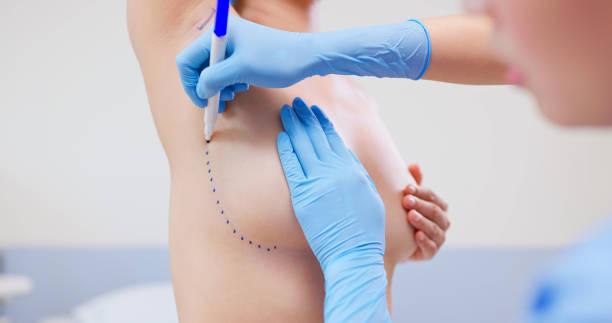
Recovery after DIEP Flap Breast Reconstruction in Dubai involves healing at both the reconstructed breast and the abdominal donor site. Nutrition is one part of the recovery process because the body needs sufficient energy, protein, fluids and essential nutrients to repair tissues and support normal functions after major surgery.
A balanced diet cannot prevent every complication or guarantee a particular result. However, following personalised nutritional guidance can help patients maintain their strength and support the healing process.
Why Nutrition Matters After DIEP Flap Breast Reconstruction in Dubai
DIEP flap surgery transfers skin and fat from the lower abdomen to the chest while preserving the abdominal muscle. The operation involves multiple tissues and blood vessels, so recovery requires attention to overall health.
Adequate nutrition supports several aspects of postoperative recovery:
-
Tissue repair: Protein and other nutrients contribute to the body's natural wound-healing processes.
-
Energy levels: Sufficient calories help the body meet the increased demands associated with recovery.
-
Immune function: A varied diet supports normal immune-system activity.
-
Digestive health: Fibre and appropriate fluid intake may help manage constipation, particularly when activity is reduced or pain medication is prescribed.
-
Muscle maintenance: Balanced meals help maintain strength during a period of restricted physical activity.
The nutritional needs of each patient may differ depending on their health, medical history and treatment plan.
Important Nutrients During DIEP Flap Breast Reconstruction Recovery
A varied diet is generally more useful than relying on a single food or supplement. Patients should discuss any dietary restrictions or nutritional concerns with their healthcare team.
Protein for Tissue Repair
Protein provides amino acids that the body uses to repair and maintain tissues. Suitable sources may include:
-
Eggs and lean poultry
-
Fish and seafood
-
Beans, lentils and chickpeas
-
Milk, yoghurt and other dairy products
-
Tofu and other plant-based protein sources
Patients who have difficulty eating enough protein should ask their clinician or dietitian about appropriate alternatives.
Vitamins and Minerals for Normal Healing
Several vitamins and minerals contribute to normal tissue maintenance and immune function.
Vitamin C is involved in collagen formation, while zinc supports normal wound healing. Iron is important for oxygen transport, although supplementation should only be considered when clinically appropriate.
A balanced diet containing fruits, vegetables, whole grains, protein sources and healthy fats can help provide a broad range of nutrients.
Healthy Fats and Overall Energy Intake
Healthy fats from foods such as olive oil, nuts, seeds and avocado can contribute to a balanced diet. Adequate energy intake is also important because eating too little may make it harder to meet the body's recovery needs.
There is no single diet that guarantees better flap survival or eliminates surgical risks.
Hydration and Digestive Comfort During Recovery
Patients may experience changes in appetite, bowel habits and daily activity after surgery. Anaesthesia, certain pain medications and reduced movement can contribute to constipation.
Helpful measures may include:
-
Drinking fluids according to the medical team's instructions.
-
Including fibre-rich foods when tolerated.
-
Eating regular, balanced meals.
-
Walking gently when the surgeon permits it.
-
Discussing persistent constipation or nausea with the healthcare team.
Patients with fluid restrictions or other medical conditions should follow their individual instructions rather than increasing fluid intake without guidance.
Foods and Supplements to Discuss With Your Medical Team
Some patients consider vitamins, herbal products or supplements before and after surgery. These products should not automatically be assumed to be safe because they are labelled natural.
Certain supplements may affect bleeding, anaesthesia, medication interactions or other aspects of surgical care. Patients should provide their surgical team with a complete list of prescription medicines, over-the-counter products and supplements.
Alcohol and smoking should also be discussed. Smoking and nicotine exposure can impair wound healing and increase surgical risks. Patients should follow their surgeon's advice about stopping nicotine and avoiding alcohol during recovery.
Building a Practical Eating Routine After DIEP Flap Surgery
A simple routine can make eating easier when energy levels are low.
Consider preparing balanced meals in advance, arranging help with grocery shopping and keeping convenient foods available. Smaller meals may be easier to manage if appetite is reduced.
A typical balanced meal may include a protein source, vegetables or fruit, a whole-grain carbohydrate and a source of healthy fat. The exact portions and food choices should reflect individual nutritional needs and any medical restrictions.
When to Seek Medical Advice
Nutrition supports general recovery, but it cannot replace postoperative monitoring. Contact the surgical team if you experience persistent vomiting, difficulty keeping fluids down, worsening abdominal symptoms or concerns about wound healing.
Seek urgent medical assessment for warning signs such as sudden chest pain, shortness of breath, significant calf swelling or sudden changes in the reconstructed breast. Follow the hospital's specific instructions about changes in flap colour, temperature or appearance.
Frequently Asked Questions
Does nutrition affect recovery after DIEP Flap Breast Reconstruction in Dubai?
Nutrition supports normal tissue repair, energy levels and general health. However, recovery also depends on surgical factors, circulation, medical history and postoperative care.
How much protein should I eat after surgery?
Protein requirements vary according to body size, health and recovery needs. A clinician or registered dietitian can recommend an appropriate amount.
Should I take vitamin supplements after DIEP flap surgery?
Not automatically. Supplements should be discussed with the medical team because some can interact with medicines or affect surgical recovery.
Can I follow a weight-loss diet during recovery?
Restrictive dieting is generally not appropriate immediately after major surgery unless specifically advised by a healthcare professional. Recovery nutrition should take priority.
Does drinking more water improve flap survival?
Adequate hydration supports normal body functions, but drinking excessive amounts does not guarantee flap survival. Follow the fluid guidance provided by your healthcare team.
Clinic Note: Nutrition is one component of a broader recovery plan. Patients undergoing DIEP flap reconstruction should receive dietary guidance that considers their medical history, medications, nutritional status and postoperative progress.
Learn More About DIEP Flap Breast Reconstruction in Dubai
Understanding the preparation, surgical process and recovery requirements can help patients make informed decisions about breast reconstruction. Tajmeels Clinic provides educational information to help patients explore treatment considerations and discuss their individual needs with qualified healthcare professionals.
For further information, visit the DIEP Flap Breast Reconstruction in Dubai service page.

 English
 Arabic
 French
 Spanish
 Portuguese
 Deutsch
 Turkish
 Italiano
 Russian
 Romaian
 Portuguese (Brazil)
 Greek