
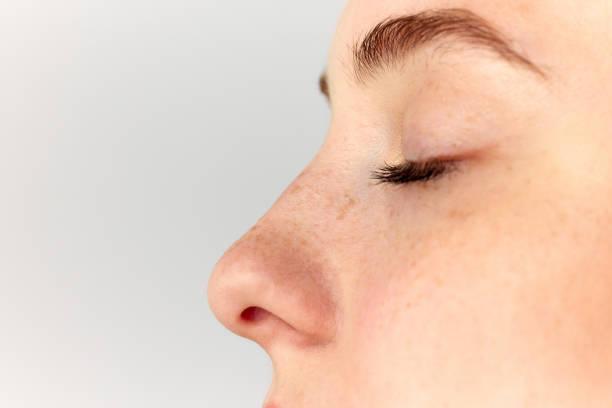
Returning to physical activity after Rhinoplasty Surgery in Dubai requires patience and careful attention to healing. Although patients may feel ready to resume their usual routines relatively quickly, exercise can increase blood pressure, swelling, and the risk of accidental impact to the nose. The appropriate return-to-activity schedule depends on the surgical technique, the extent of correction, and the individual's recovery.
Understanding common restrictions can help patients avoid unnecessary strain while their nasal tissues heal.
Why Exercise Restrictions Matter After Rhinoplasty
Rhinoplasty involves modifying delicate structures, including nasal cartilage and bone. During recovery, these tissues need time to settle and stabilize.
Strenuous activity too soon may contribute to:
-
Increased swelling or discomfort
-
Bleeding from the nose
-
Pressure around healing tissues
-
Accidental contact or injury
-
Disruption of the recovery process
Restrictions are not identical for every patient. The surgeon's instructions should determine when each activity can safely resume.
The Initial Rest Period After Rhinoplasty Surgery in Dubai
Immediately after surgery, rest is generally the priority. Patients may experience tiredness, congestion, bruising, and swelling that make physical exertion uncomfortable.
Light Movement During Early Recovery
Gentle movement around the home may be permitted when the patient feels steady and the clinical team has approved it. Short, careful walks can help maintain a basic routine without the intensity of a workout.
Patients should avoid rushing, bending repeatedly, or lifting heavy objects.
Activities to Avoid Initially
During the early recovery period, patients are commonly advised to avoid:
-
Running and jogging
-
Weightlifting and resistance training
-
High-intensity interval workouts
-
Vigorous cycling
-
Contact sports
-
Activities involving repeated bending or straining
The exact duration of these restrictions should be confirmed with the treating surgeon.
When Can You Return to Walking and Light Exercise?
Walking is often one of the first activities patients gradually reintroduce. However, the timing and intensity should reflect individual recovery.
Starting With Short Walks
Once cleared by the clinical team, patients may begin with brief walks at a comfortable pace. The goal is gentle movement rather than cardiovascular training.
Pay attention to symptoms. If walking causes increased discomfort, throbbing, bleeding, or noticeable swelling, stop and contact the clinical team for advice.
Increasing Activity Gradually
As recovery progresses, walking duration and pace may be increased when approved. Avoid treating a return to normal energy levels as proof that internal healing is complete.
Your surgeon can advise when longer walks and more demanding activities are appropriate.
Returning to Gym Workouts and Weight Training
Gym exercises place different demands on the body. Lifting heavy weights, holding the breath during exertion, and performing intense movements can increase physical strain.
Weightlifting After Rhinoplasty Surgery in Dubai
Patients should wait for explicit clearance before returning to resistance training. The timing may depend on whether the procedure involved significant structural changes, the patient's healing progress, and any post-operative concerns.
When cleared, patients may need to restart with lighter activity rather than immediately returning to previous weights.
Avoiding Strain and Breath-Holding
Heavy lifting often involves breath-holding or forceful exertion. These actions can increase pressure and may be unsuitable during early healing.
Ask the surgeon whether specific exercises need to be modified when training resumes.
Cardiovascular Exercise and High-Intensity Training
Running, aerobics, vigorous cycling, and high-intensity workouts can raise heart rate and blood pressure. These activities may increase the chance of discomfort or bleeding if resumed too early.
Returning to Running
Do not restart running based solely on how comfortable the nose feels. Follow the surgeon's clearance and begin gradually.
Outdoor running also introduces environmental considerations, including dust, accidental contact, and exposure to crowded areas.
High-Intensity Workouts
Intense training should be postponed until the surgical team confirms that healing has progressed sufficiently. Patients should not use a fixed online recovery schedule as a substitute for individual medical advice.
Contact Sports and Activities With Injury Risk
Sports involving balls, physical contact, or unpredictable movement require particular caution after nasal surgery.
Protecting the Healing Nasal Structure
A direct impact can injure the nose even after initial swelling has improved. Patients should discuss the risks of returning to football, basketball, martial arts, boxing, and similar activities.
Protective equipment may be recommended for certain sports, but it does not eliminate the risk of injury.
Swimming and Water-Based Activities
Swimming should also be discussed with the surgeon. Patients may need to wait until dressings, incisions, and healing tissues are suitable for water exposure. Goggles and equipment that press against the nose may require additional restrictions.
Everyday Activities That May Need Modification
Exercise is not the only source of physical strain during recovery. Household chores and routine movements can also involve bending, lifting, or accidental pressure on the nose.
Bending and Lifting Household Items
Patients may be advised to avoid repeated bending and heavy lifting during early recovery. Ask for help with tasks such as moving furniture, carrying heavy shopping bags, or lifting bulky laundry baskets.
Work and Daily Commuting
The timing of a return to work depends on job demands. Desk-based work may be easier to resume than occupations involving physical exertion, heavy lifting, or exposure to injury risks.
Discuss commuting arrangements and workplace adjustments during the pre-operative consultation.
Signs That You May Be Doing Too Much
Recovery is individual, but certain symptoms should not be ignored. Increased discomfort after activity may indicate that the body needs rest or medical assessment.
Contact your clinical team if you experience:
-
New or significant nasal bleeding
-
Increasing pain or pressure
-
Sudden or worsening swelling
-
Unusual discharge or fever
-
New difficulty breathing
Severe symptoms or significant breathing problems require urgent medical attention.
Building a Gradual Return-to-Activity Plan
A gradual plan should be based on clinical clearance rather than a fixed calendar.
Consider these principles:
-
Begin only when your surgeon permits activity.
-
Start with low-intensity movement.
-
Increase duration and intensity gradually.
-
Avoid contact and impact risks until cleared.
-
Stop if symptoms develop during exercise.
-
Attend follow-up appointments before progressing to demanding activities.
Patients should be honest about their usual fitness routines so the surgeon can provide practical guidance.
Clinic Note: After Rhinoplasty Surgery in Dubai, activity restrictions should reflect the patient's healing progress and the structural work performed. Tajmeels Clinic encourages patients to discuss their exercise habits during consultation and confirm when walking, gym training, swimming, and contact sports may be resumed.
Frequently Asked Questions
When can I start walking after rhinoplasty?
Gentle walking may be permitted relatively early, but timing depends on your condition and post-operative instructions. Begin only when your clinical team advises it is appropriate.
How soon can I return to the gym?
There is no single timetable for everyone. Weight training and strenuous exercise should wait until your surgeon provides clearance.
Can I run after rhinoplasty surgery?
Running should be postponed during the initial recovery period. Resume only after medical approval and increase intensity gradually.
When can I play contact sports again?
Contact sports carry a risk of nasal injury. Ask your surgeon when it is safe to return and whether protective equipment is appropriate.
What should I do if exercise causes bleeding or increased swelling?
Stop the activity and contact your clinical team promptly. Significant bleeding or severe symptoms require urgent medical assessment.
Protecting Your Recovery While Staying Active
Physical activity can gradually become part of normal life again after rhinoplasty, but rushing the process may create avoidable risks. A carefully managed return allows patients to balance general fitness with the need to protect healing nasal structures.
If you are considering Rhinoplasty Surgery in Dubai, Tajmeels Clinic can help you discuss expected recovery restrictions and how they may affect your work, exercise routine, and daily activities. A personalized plan makes it easier to understand the steps involved in returning to normal movement.

 English
 Arabic
 French
 Spanish
 Portuguese
 Deutsch
 Turkish
 Dutch
 Italiano
 Russian
 Romaian
 Greek