
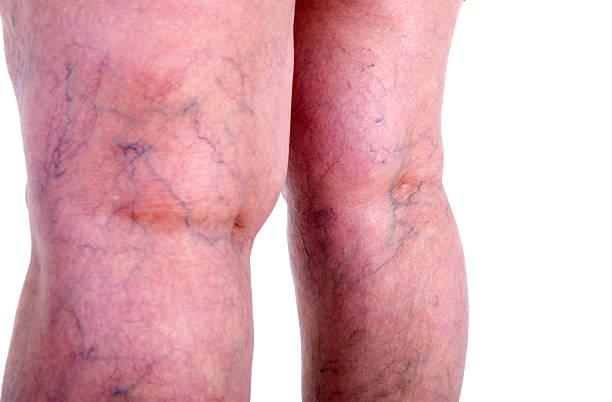
Laser Spider Veins Treatment in Dubai is often performed without surgery or general anaesthesia, but it should not automatically be described as completely pain-free. Patients may experience brief sensations of warmth, tingling, or a snapping feeling as laser energy reaches the targeted vessels. The level of discomfort depends on the treatment area, vessel characteristics, device settings, and individual sensitivity.
Understanding what the procedure feels like and what recovery may involve can help patients prepare with realistic expectations. Comfort measures may be available, but they do not remove every possible sensation or treatment risk.
What Does Spider Veins Treatment in Dubai Feel Like?
The experience varies between patients and depends partly on the method used.
Sensations During Laser Treatment
Vascular laser treatment delivers controlled light pulses to selected vessels. Patients commonly describe sensations such as:
-
Brief warmth against the skin.
-
Mild tingling.
-
A quick snapping sensation.
-
Temporary tenderness in the treated area.
Some people find the procedure easy to tolerate, while others experience more noticeable discomfort, particularly in sensitive areas.
Why Treatment Areas Feel Different
Facial skin and leg skin can respond differently to laser exposure. The sensitivity of the area, vessel depth, and number of treatment pulses can influence the overall experience.
A small facial treatment area may involve a different sensation and treatment duration from a larger area on the legs.
Comfort Measures During Laser Treatment
The specialist may use measures designed to improve comfort and protect the skin.
Cooling the Treatment Area
Some vascular laser systems use cooling methods before, during, or after energy delivery. Cooling can help protect the skin surface and reduce discomfort.
However, it does not guarantee that treatment will be painless. Patients should communicate if they experience significant discomfort during the procedure.
Discussing Sensitivity Before Treatment
Patients should tell the specialist about previous reactions to laser procedures, skin sensitivity, or concerns about pain.
The clinician can explain the expected sensations and whether any comfort measures are appropriate. Patients should not apply topical anaesthetic or numbing products unless the clinic has specifically advised them to do so.
How Long Does the Procedure Take?
Treatment duration depends on the size and complexity of the area rather than a universal time estimate.
Small and Localised Vessels
A limited group of superficial vessels may require relatively little treatment time. The appointment may still include preparation, skin assessment, protective measures, and post-treatment instructions.
More Extensive Vascular Areas
Widespread leg vessels or multiple treatment areas may require more time or staged appointments.
The specialist may recommend separating treatment sessions to allow the skin to recover and assess the response before proceeding further.
What to Expect Immediately After Treatment
The skin may show temporary changes after laser exposure. These reactions vary according to the treatment intensity and individual response.
Common Temporary Effects
Possible short-term effects include:
-
Mild redness.
-
Localised swelling.
-
Warmth or tenderness.
-
Temporary bruising.
-
Darkening of some treated vessels.
These reactions may settle as the skin recovers. Patients should follow the clinic's aftercare guidance rather than trying to speed up the process with aggressive skincare or home remedies.
When Discomfort Needs Medical Attention
Increasing pain, significant blistering, spreading redness, discharge, or worsening swelling should be reported to the treating clinic.
Sudden one-sided leg swelling, pain, warmth, or redness requires prompt medical assessment because it may indicate a serious vascular condition unrelated to routine cosmetic recovery.
Recovery and Returning to Everyday Activities
Many patients can resume ordinary activities relatively soon after treatment of selected superficial vessels. However, recovery recommendations depend on the procedure and the treated area.
Protect the Skin
Sun protection is important, especially after laser treatment on exposed areas. Patients should avoid tanning and follow advice about sunscreen and protective clothing.
Avoid Unnecessary Irritation
Gentle cleansing is generally preferable during early recovery. Strong exfoliants, irritating products, and friction should be avoided until the skin has settled and the clinician confirms they can be resumed.
Follow Activity Recommendations
The clinic may advise temporarily limiting strenuous exercise or excessive heat exposure. The appropriate restrictions vary and should be confirmed during consultation.
Is Sclerotherapy More or Less Comfortable?
Sclerotherapy involves injections into selected veins. Patients may experience needle discomfort, mild stinging, or temporary tenderness.
Laser treatment avoids the injection of a sclerosant, but it can still produce heat-related sensations. Neither approach is universally more comfortable because the experience depends on the vein type, treatment location, and individual sensitivity.
Setting Realistic Expectations About Pain and Results
The phrase "pain-free treatment" can create unrealistic expectations. A more accurate description is that many superficial vascular procedures are performed without general anaesthesia and may be manageable with appropriate comfort measures.
Patients should discuss likely sensations, possible side effects, and recovery before proceeding.
Clinic Note: Comfort varies from person to person. Cooling and other measures may help reduce discomfort, but no treatment method should be presented as completely painless or free of risk.
Frequently Asked Questions
Is laser spider vein treatment completely painless?
No. Some patients experience warmth, tingling, or a brief snapping sensation. The intensity varies with the treatment area and individual sensitivity.
Is anaesthesia required for laser treatment?
Many superficial vascular laser procedures do not require general anaesthesia. The need for additional comfort measures depends on the procedure and clinical assessment.
Can I return to work after treatment?
Many patients can resume routine activities relatively soon, but temporary redness or tenderness may be visible. Follow the clinic's advice for your specific treatment.
Does more discomfort mean better results?
No. Pain intensity does not indicate treatment effectiveness. The outcome depends on appropriate vessel selection, device settings, and individual response.
Discuss Treatment Comfort at Tajmeels Clinic
Knowing what a procedure feels like can make treatment planning less uncertain. Tajmeels Clinic can help patients understand the expected sensations, available comfort measures, possible recovery effects, and suitability of vascular treatment for their individual concerns.

 English
 Arabic
 French
 Portuguese
 Deutsch
 Turkish
 Dutch
 Italiano
 Russian
 Romaian
 Portuguese (Brazil)
 Greek