
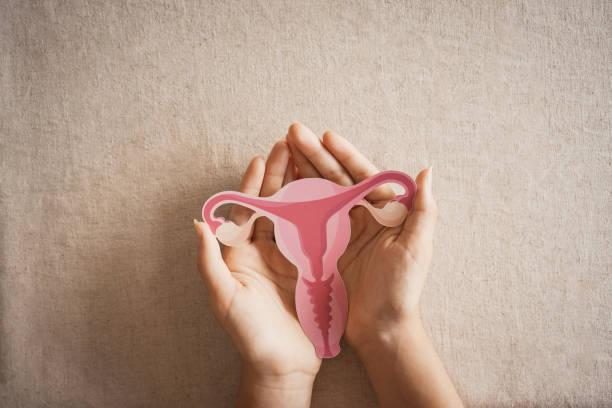
Laser Vaginal Tightening in Dubai is often presented as an alternative to surgical procedures because it is marketed as a non-surgical approach that uses energy rather than conventional incisions. This may attract women who prefer to avoid an operation. However, popularity and convenience do not establish clinical effectiveness, and laser treatment should not be assumed to provide the same results as surgery or to be free of risks.
Women considering intimate procedures may have different concerns, including changes after childbirth, perceived vaginal laxity, dryness, or discomfort. The right approach depends on the cause of the symptoms, the available evidence, and an individual medical assessment.
Why Non-Surgical Procedures Attract Interest
Some women prefer to explore options that do not involve conventional surgery. They may be concerned about incisions, anaesthesia, recovery time, or the practical demands of taking time away from daily responsibilities.
Laser vaginal treatments are marketed around these preferences. However, a procedure described as non-surgical still applies energy to sensitive tissue and may cause complications.
Convenience Is Not the Same as Effectiveness
A shorter or less involved procedure is not necessarily more effective or safer for a particular condition. Patients should compare treatments according to their intended purpose, supporting evidence, risks, and suitability.
A clinician should also explain whether the concern is actually related to vaginal tissue, pelvic floor muscles, hormonal changes, or another condition.
Laser Treatment and Surgical Vaginoplasty Are Different
Laser-based procedures and surgical vaginoplasty should not be treated as equivalent treatments.
Surgical vaginoplasty involves an operation intended to alter vaginal structure. It may be discussed in specific reconstructive or clinical contexts, but cosmetic procedures also carry meaningful risks and require careful counselling.
Laser procedures use a device to deliver energy to tissue. They do not reproduce the same surgical changes, and evidence has not established that they reliably achieve the outcomes promoted in vaginal rejuvenation marketing.
| Consideration | Laser-based treatment | Surgical vaginoplasty |
|---|---|---|
| Method | Energy delivered through a device | Surgical alteration of tissue |
| Incisions | Usually marketed without conventional incisions | Incisions may be required |
| Intended effect | Often promoted for tissue remodelling or firmness | Structural change to vaginal anatomy |
| Recovery | Depends on the device and individual response | Requires surgical recovery |
| Evidence and risks | Benefits and long-term safety for cosmetic vaginal uses remain uncertain | Has specific surgical indications and potential complications |
Neither option should be selected solely because it is described as less invasive.
What Women Should Understand About Laser Treatment
Laser vaginal procedures are promoted for vaginal laxity, dryness, and other intimate concerns. The proposed mechanism often involves controlled heating and a tissue repair response.
However, evidence remains insufficient to establish reliable, lasting benefits for vaginal tightening or several related symptoms. The American College of Obstetricians and Gynecologists also warns about potential complications from energy-based vaginal treatments, including burns, scarring, pain during intercourse, and persistent pain.
The Importance of Identifying the Actual Concern
A feeling of vaginal laxity may not have the same cause as urinary leakage or discomfort during intimacy.
For example:
-
Pelvic floor weakness may require supervised muscle rehabilitation.
-
Menopause-related dryness may need specific hormonal or non-hormonal care.
-
Pain during intimacy may involve muscular, dermatological, hormonal, or other factors.
-
Urinary leakage requires assessment to identify its type and severity.
Treating the wrong underlying problem can delay appropriate care.
Why Surgery Is Not Automatically the Better Option
Surgery may be considered in selected clinical situations, but it is not a universal solution for intimate health concerns. It involves operative risks such as bleeding, infection, scarring, altered sensation, painful intercourse, and the possibility of further treatment.
A patient should understand the reason for surgery, the expected anatomical changes, recovery requirements, and realistic outcomes before making a decision.
In some cases, the most appropriate option may be neither laser treatment nor surgery. Conservative or condition-specific medical care may be more suitable.
Questions to Ask When Comparing Treatment Options
Women comparing Laser Vaginal Tightening in Dubai with surgery should ask their clinician:
-
What is the diagnosis or underlying cause of my symptoms?
-
What outcome is each procedure intended to achieve?
-
Is there reliable evidence supporting that outcome?
-
What complications should I understand?
-
Are there non-procedural alternatives?
-
What is the expected recovery and follow-up plan?
-
What are the costs, including any additional appointments?
-
Is the proposed device authorised for the intended use in the UAE?
These questions encourage a decision based on clinical needs rather than marketing language.
Choosing a Provider for Intimate Procedures
A suitable provider should have relevant qualifications, experience in women's health, and the ability to assess symptoms beyond cosmetic appearance.
Patients should expect transparent discussion of device information, clinical evidence, risks, alternatives, consent, and follow-up care. They should also feel comfortable seeking a second opinion.
Clinic Note
Women may be drawn to laser procedures because they appear to involve less intervention than surgery. However, non-surgical does not mean proven, risk-free, or equivalent to a surgical result. Before considering either option, establish the cause of the concern and compare all available approaches with a qualified gynaecologist.
Frequently Asked Questions
Is laser vaginal tightening safer than surgery?
The two approaches have different risks and purposes. Laser treatment can still cause burns, scarring, and persistent pain, while surgery has its own operative complications. A clinician should compare risks in the context of the patient's diagnosis.
Does laser treatment produce the same result as vaginoplasty?
No. Laser procedures do not perform the same structural tissue changes as surgery, and equivalent outcomes should not be assumed.
Why might a woman prefer a non-surgical option?
Some women prefer to avoid conventional surgery, incisions, or surgical recovery. These preferences should be balanced against the available evidence and potential risks.
Are there alternatives to both laser treatment and surgery?
Yes. Depending on the concern, options may include pelvic floor physiotherapy, vaginal moisturisers, lubricants, prescription treatments, or other condition-specific care.
How do I decide which treatment is right?
Start with a medical assessment to identify the cause of the symptoms. Then discuss the evidence, risks, expected outcomes, and alternatives before making a decision.
Discuss Your Options with Tajmeels Clinic
Women exploring intimate health treatments deserve a balanced discussion of both procedural and non-procedural options. Tajmeels Clinic in Dubai can be contacted to discuss consultation arrangements and the concerns a patient wishes to address.
A personalised assessment can help clarify the next steps and ensure that any decision is based on individual health needs, informed consent, and realistic expectations.

 English
 Arabic
 French
 Spanish
 Portuguese
 Deutsch
 Turkish
 Dutch
 Italiano
 Romaian
 Portuguese (Brazil)
 Greek