
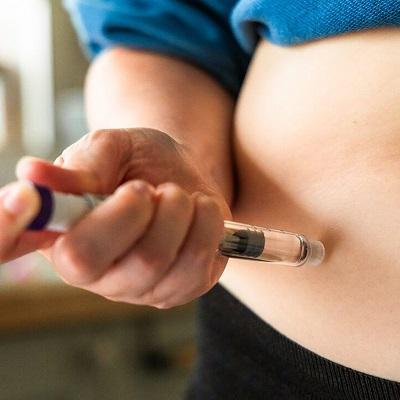
Mounjaro has become an increasingly recognised treatment option for individuals seeking medical support for blood sugar management and weight control. Its active ingredient, tirzepatide, works by activating two hormone receptors involved in appetite regulation and glucose metabolism. Along with understanding its benefits, individuals considering this medication should also learn about the correct injection technique, including which areas of the body are suitable for administration.
For individuals researching treatment options and the Mounjaro Injection Price in Oman, understanding how the medication is administered is equally important. Mounjaro is a once-weekly subcutaneous injection, meaning it is delivered into the fatty tissue just beneath the skin rather than directly into a muscle or vein. Choosing an appropriate injection site and following the manufacturer's instructions can help make treatment more comfortable and consistent.
1. Understanding How Mounjaro Injections Work
Mounjaro is a prescription medication containing tirzepatide. It is primarily used to improve blood sugar control in adults with type 2 diabetes. Depending on local regulatory approvals and the prescribed product, tirzepatide may also be used for chronic weight management.
The medication works by activating two naturally occurring hormone pathways: glucose-dependent insulinotropic polypeptide (GIP) and glucagon-like peptide-1 (GLP-1).
These hormones play important roles in the body's metabolic processes.
Mounjaro supports blood sugar regulation through several actions:
-
Encourages insulin release when blood glucose levels are elevated.
-
Reduces inappropriate glucagon secretion.
-
Slows stomach emptying, particularly during the initial stages of treatment.
-
Helps regulate appetite and food intake.
-
May support weight reduction in eligible individuals.
Mounjaro is administered once weekly using a prefilled injection pen. Since it is a subcutaneous medication, the injection must be placed into an appropriate area containing fatty tissue beneath the skin.
Correct administration is important because injecting into unsuitable tissue or failing to follow the instructions may cause discomfort or affect the intended delivery of the medication.
2. Which Areas of the Body Are Suitable for Mounjaro Injections?
Mounjaro can be injected into three approved body areas: the abdomen, thigh, and upper arm. Each area provides access to the subcutaneous fatty tissue required for administration.
The medication generally works in the same way regardless of which approved injection site is selected. There is no need to use one particular area to achieve better weight-loss or blood sugar results.
Abdomen
<escape></escape>The abdomen is one of the most commonly used injection sites because it is generally easy to access.
The injection can be administered into the fatty tissue of the stomach area, keeping at least two inches (approximately 5 cm) away from the belly button.
The abdomen offers several advantages:
-
It is relatively easy to reach without assistance.
-
It usually provides sufficient subcutaneous fatty tissue.
-
Different areas can be used to rotate injection sites.
-
It can be convenient for people who prefer administering their own medication.
The injection should not be placed directly into the belly button, bruised skin, scars, irritated areas, or areas with lumps or tenderness.
Thigh
The front of the thigh is another suitable area for Mounjaro administration.
This site can be particularly convenient for individuals who prefer not to inject into their abdomen. The upper outer portion of the thigh generally provides access to the fatty tissue needed for a subcutaneous injection.
Benefits of using the thigh include:
-
Easy access when sitting comfortably.
-
The ability to alternate between the left and right thighs.
-
A convenient alternative when abdominal skin is irritated.
-
Greater flexibility in maintaining an injection-site rotation routine.
The injection should be placed into an appropriate fatty area rather than directly into the knee, groin, or areas with visible skin irritation.
Upper Arm
The back of the upper arm is also an approved injection area.
However, this location may be more difficult to reach independently. Assistance from another person may be necessary to ensure that the injection is administered correctly.
The upper arm can be a useful alternative for individuals who want to rotate between different injection sites.
The medication should be injected into the fatty tissue at the back of the upper arm, following the pen manufacturer's instructions.
3. How to Choose the Right Injection Site and Rotate Areas
Selecting an appropriate injection site is an important part of maintaining a comfortable and consistent treatment routine.
Although the abdomen, thigh, and upper arm are all suitable, individual preferences and skin conditions can influence which location is most convenient.
There is no universally best injection site. The choice should depend on accessibility, comfort, available fatty tissue, and the condition of the skin.
Why injection-site rotation matters
Repeatedly injecting into precisely the same spot may cause local irritation, bruising, tenderness, or changes in the fatty tissue beneath the skin.
Rotating injection locations helps reduce repeated pressure on one particular area.
For example, an individual may follow a simple rotation routine:
-
Week one: Abdomen.
-
Week two: Thigh.
-
Week three: Opposite side of the abdomen.
-
Week four: Opposite thigh.
This is only an illustrative routine. The individual can choose any suitable approved site and should follow the product instructions.
If the same general body area is used for consecutive injections, the new injection should be placed at a different point rather than directly into the previous spot.
Areas to avoid
Certain skin locations should not be used for Mounjaro injections.
These include:
-
Bruised or swollen skin.
-
Areas with cuts or open wounds.
-
Skin affected by infection or inflammation.
-
Scar tissue.
-
Areas containing lumps or significant tenderness.
-
Skin that appears unusually hard or irritated.
Changing injection locations regularly can help maintain skin comfort throughout treatment.
4. Step-by-Step Guide to Administering a Mounjaro Injection
Correct injection technique helps ensure that the medication is delivered as intended. Individuals should read the instructions supplied with their specific Mounjaro pen because device designs and administration steps may differ between markets.
A healthcare professional or pharmacist can also demonstrate the correct technique before treatment begins.
Step 1: Wash and prepare the hands
The individual should wash their hands thoroughly with soap and water before handling the injection pen.
A clean preparation area helps reduce the risk of contamination.
Step 2: Check the injection pen
Before administration, the pen should be checked for:
-
Correct medication name.
-
Prescribed strength.
-
Expiry date.
-
Appropriate storage condition.
-
Any visible damage or unusual appearance of the medication.
The medication should not be used if it appears abnormal or the pen is damaged.
Step 3: Select an appropriate injection site
The individual should choose an approved location: the abdomen, thigh, or back of the upper arm.
The selected skin should be clean and free from bruising, swelling, scars, or irritation.
Step 4: Prepare the injection according to the device instructions
The specific preparation process depends on the type of Mounjaro pen supplied.
The individual should follow the manufacturer's instructions rather than attempting to modify the device or use an unfamiliar injection technique.
Step 5: Administer the medication
The injection should be administered according to the instructions for the particular pen.
The pen should remain in position for the recommended period to ensure that the full prescribed dose is delivered.
Step 6: Dispose of the pen safely
Used injection pens and needles, where applicable, should be disposed of in an appropriate sharps container or according to local medical-waste guidelines.
They should never be reused or shared with another person.
Following these steps can make weekly administration more organised and help reduce avoidable injection-related problems.
5. Common Injection Mistakes and How to Avoid Them
Even though Mounjaro is designed for convenient weekly administration, incorrect injection habits may lead to discomfort or administration problems.
Understanding common mistakes can help individuals follow a safer treatment routine.
Using the same exact injection spot repeatedly
Repeated injections into the same location may cause skin irritation or changes in fatty tissue. Rotating sites is an important preventive measure.
Injecting into irritated skin
Bruised, swollen, infected, or damaged skin should be avoided. A different approved location should be selected.
Not following the pen instructions
Different injection devices may have different preparation and administration requirements. The manufacturer's instructions should always take priority over general online advice.
Incorrect medication storage
Mounjaro should generally be refrigerated at 2°C to 8°C before use. It should never be frozen or used if it has been frozen. The manufacturer's instructions should be followed regarding permitted room-temperature storage and the in-use period.
Changing the prescribed dose independently
Mounjaro dosage is usually increased gradually according to the individual's response and tolerability. The dose should never be increased, reduced, or repeated without appropriate medical guidance.
Sharing injection pens
Injection pens must never be shared between individuals, even if the needle is changed. Sharing creates a risk of transmitting infections.
6. Side Effects, Safety Precautions, and Treatment Expectations
Mounjaro is generally well tolerated by many individuals, but side effects can occur. Understanding the possible reactions helps people recognise when medical advice may be necessary.
Common side effects
The most frequently reported side effects include:
-
Nausea.
-
Vomiting.
-
Diarrhoea.
-
Constipation.
-
Abdominal discomfort.
-
Indigestion.
-
Reduced appetite.
-
Bloating.
Some individuals may also experience mild redness, itching, or discomfort around the injection site.
These symptoms may be more noticeable when treatment begins or when the prescribed dose increases.
Serious side effects requiring medical attention
Certain symptoms should not be ignored.
Severe and persistent abdominal pain may indicate pancreatitis. Persistent vomiting or diarrhoea can lead to dehydration and kidney problems. Gallbladder complications and serious allergic reactions are also possible.
Mounjaro carries a boxed warning concerning thyroid C-cell tumours and should not be used by individuals with a personal or family history of medullary thyroid carcinoma or multiple endocrine neoplasia syndrome type 2.
It is not intended for people with type 1 diabetes and should not replace insulin when insulin treatment is required.
Individuals who are pregnant, planning pregnancy, or taking insulin or sulfonylurea medications should discuss treatment carefully with their healthcare professional.
How to support a comfortable treatment experience
A consistent treatment routine can make administration easier.
Helpful habits include:
-
Choosing a comfortable injection position.
-
Rotating approved injection sites.
-
Following the correct weekly schedule.
-
Keeping the medication stored appropriately.
-
Maintaining a balanced diet.
-
Drinking enough water.
-
Monitoring blood glucose as recommended.
-
Attending regular follow-up appointments.
Individuals should also discuss any persistent injection-site reactions or unusual symptoms with a healthcare professional.
Frequently Asked Questions About Mounjaro Injections
1. What are the best areas of the body for Mounjaro injections?
The three approved injection areas are the abdomen, thigh, and back of the upper arm. All three provide access to the subcutaneous fatty tissue needed for administration. The choice depends on comfort, accessibility, and personal preference.
2. Can Mounjaro be injected into the stomach?
Yes. The abdomen is an approved injection site and is commonly used. The injection should be administered into the fatty tissue, at least two inches away from the belly button, while avoiding bruised, scarred, or irritated skin.
3. Can someone inject Mounjaro into the thigh?
Yes. The front of the thigh is an approved location. It provides an alternative to abdominal injections and allows individuals to rotate between different suitable areas.
4. Should the Mounjaro injection site be changed every week?
The exact injection location should be rotated regularly to reduce repeated irritation and tissue changes. If the same general body area is selected, the new injection should be placed at a different point rather than directly into the previous injection spot.
5. Does the injection area affect Mounjaro's effectiveness?
The abdomen, thigh, and upper arm are all approved injection sites. The medication is intended to provide its therapeutic effects when administered correctly into the subcutaneous tissue. There is no established need to select one approved area over another for better weight-loss or blood sugar results.
6. Can Mounjaro injections cause skin irritation?
Yes. Some individuals experience mild redness, itching, bruising, or discomfort around the injection site. These reactions are generally temporary. Persistent, worsening, or severe reactions should be assessed by a healthcare professional.
Final Thoughts
Knowing which areas of the body are suitable for Mounjaro injections is an important part of using the medication correctly. The abdomen, thigh, and back of the upper arm are the three approved locations for subcutaneous administration. Each offers a convenient option when used according to the manufacturer's instructions.
Regular injection-site rotation, appropriate storage, correct administration, and adherence to the prescribed dosage can help make treatment safer and more manageable.
For individuals exploring Mounjaro treatment in Oman, understanding administration techniques and treatment considerations is just as important as learning about potential benefits and costs. A personalised medical assessment can help determine whether tirzepatide is appropriate and establish a suitable treatment plan.
Read More About Mounjaro Injection: https://md.fsmpi.rwth-aachen.de/s/1AFaAnpRht

 Arabic
 French
 Spanish
 Portuguese
 Deutsch
 Turkish
 Dutch
 Italiano
 Russian
 Romaian
 Portuguese (Brazil)
 Greek