
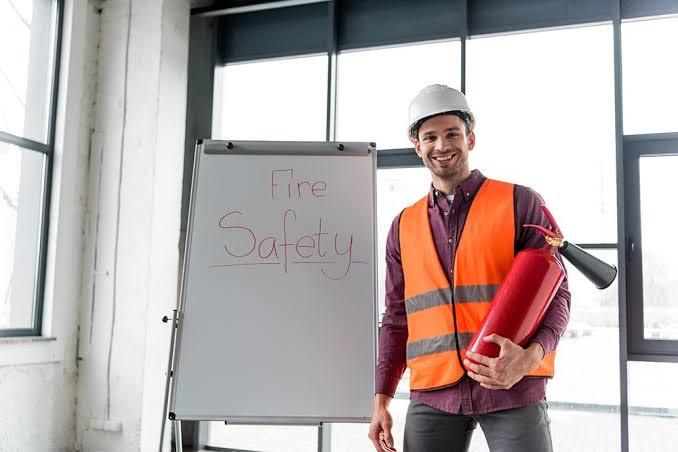
What Does a Fire Risk Assessment in Hounslow Include and Why Is It Important?
Fire safety is an essential responsibility for businesses, landlords, property managers and building owners. Whether you operate a small shop, manage an office, own a restaurant or look after a commercial building, taking appropriate steps to prevent fire hazards can protect people, property and business operations.
A Fire Risk Assessment in Hounslow helps identify potential fire hazards, evaluate existing safety arrangements and recommend improvements to reduce risks. It provides a structured way to understand how a fire could start, who might be affected and whether people can escape safely in an emergency.
If you are responsible for a workplace or other premises covered by fire safety legislation, arranging a suitable and sufficient assessment is an important legal responsibility.
What Is a Fire Risk Assessment?
A fire risk assessment is a systematic inspection of a building to identify possible fire hazards and evaluate the level of risk. It considers the building's layout, electrical installations, heating equipment, escape routes, fire detection systems and the people who use the premises.
The purpose is to identify problems before an emergency occurs and recommend suitable precautions.
A professional assessment generally considers:
-
Potential sources of ignition.
-
Flammable materials and combustible waste.
-
Fire detection and alarm arrangements.
-
Emergency exits and escape routes.
-
Fire doors and compartmentation.
-
Emergency lighting and signage.
-
Firefighting equipment.
-
Staff training and evacuation procedures.
-
People who may need additional assistance during an emergency.
The findings help the responsible person understand which improvements are necessary and how to prioritise them.
Why Do Businesses in Hounslow Need a Fire Risk Assessment?
Hounslow has a wide range of commercial and residential properties, including offices, shops, restaurants, warehouses, workshops and multi-occupied buildings. Each type of premises can have different fire hazards depending on its activities, occupancy and building design.
For example, restaurants may have cooking equipment and extraction systems, while warehouses may store packaging, chemicals or other combustible materials. Offices can contain electrical equipment, extension leads and paper products.
A Fire Risk Assessment in Hounslow helps property owners and managers understand these risks and introduce appropriate safety measures.
The Regulatory Reform (Fire Safety) Order 2005 applies to most workplaces and commercial premises in England, as well as relevant communal areas in multi-occupied residential buildings. The responsible person must ensure that a suitable and sufficient assessment is completed.
Who Is Responsible for Fire Safety?
The responsible person is generally the employer in a workplace or the person who has control of the premises, such as an owner, landlord or managing agent, depending on the circumstances.
Their responsibilities include:
-
Arranging a suitable fire risk assessment.
-
Identifying and reducing fire hazards.
-
Maintaining appropriate fire safety equipment.
-
Providing relevant fire safety information and training.
-
Preparing an emergency evacuation plan.
-
Keeping fire safety arrangements under review.
Where several organisations or people share responsibility for a building, they may need to cooperate and coordinate their fire safety arrangements.
What Are the Common Fire Hazards Found in Hounslow Properties?
Identifying hazards is one of the most important parts of a fire risk assessment. Common issues include the following.
1. Electrical Equipment and Wiring
Damaged cables, overloaded sockets, faulty appliances and poorly maintained electrical installations can increase fire risk. Assessors consider whether electrical equipment is being used safely and whether maintenance arrangements are suitable.
2. Heating and Cooking Equipment
Portable heaters, boilers, kitchen appliances and commercial cooking equipment can become ignition sources if incorrectly installed, operated or maintained.
Businesses should follow suitable operating procedures and keep combustible materials away from heat sources.
3. Blocked Emergency Exits
Escape routes must remain accessible. Boxes, furniture, deliveries and waste materials should not obstruct corridors, stairways or emergency doors.
4. Flammable Materials
Paints, cleaning products, fuels, packaging and other combustible substances should be stored and handled safely. The assessment considers the materials present and the precautions required.
5. Poor Fire Door Maintenance
Damaged fire doors, missing seals, faulty closers and doors that do not close correctly can allow smoke and flames to spread. Fire doors should be inspected and maintained according to their purpose and condition.
Which Fire Safety Systems Should Be Checked?
A fire risk assessment reviews whether the fire precautions available in a building are appropriate for its risks. Not every building requires identical equipment; recommendations depend on the premises and its use.
Fire Alarm and Detection Systems
Fire alarms provide warnings so occupants can respond quickly. The assessment considers whether the detection and alarm arrangements are suitable for the building's size, layout and activities.
Emergency Lighting
Emergency lighting can help occupants identify escape routes if normal lighting fails. It is particularly important where people may need to move through corridors, stairways or other areas during an emergency.
Fire Extinguishers
Suitable fire extinguishers may be required depending on the hazards present. Their type, location, accessibility and maintenance should be considered.
Fire Doors
Fire doors help limit the spread of fire and smoke when correctly installed and maintained. Assessors may identify damaged doors, unsuitable gaps, defective closers or other problems.
Emergency Exit Signs
Clear signs help people identify escape routes and emergency exits. Their positioning and visibility should be considered as part of the overall evacuation arrangements.
How Is a Fire Risk Assessment Carried Out in Hounslow?
A professional assessment follows a structured process to examine the premises and identify improvements.
Step 1: Initial Property Inspection
The assessor visits the premises and reviews its layout, activities, occupancy and existing fire safety arrangements.
Step 2: Identify Fire Hazards
Potential ignition sources, combustible materials and other hazards are identified throughout the relevant areas.
Step 3: Identify People at Risk
The assessment considers employees, customers, visitors, contractors, residents and anyone else who may be affected. Particular attention should be given to people who may need assistance during evacuation.
Step 4: Evaluate Existing Precautions
The assessor checks whether current arrangements adequately control the identified risks. This may include alarms, escape routes, fire doors, emergency lighting and firefighting equipment.
Step 5: Prepare the Report
The findings are documented in a report with recommendations and, where appropriate, priorities for corrective action.
Step 6: Implement Improvements
The responsible person should address identified issues and maintain suitable fire safety arrangements.
Which Properties Require Fire Risk Assessments?
A Fire Risk Assessment in Hounslow may be relevant to many types of premises, including:
-
Offices and commercial buildings.
-
Shops and retail units.
-
Restaurants, cafés and takeaways.
-
Hotels and guest accommodation.
-
Warehouses and industrial units.
-
Schools and educational facilities.
-
Healthcare and care premises.
-
Houses in multiple occupation (HMOs).
-
Communal areas in blocks of flats.
The legal requirements depend on the building and how it is used. The Fire Safety Order generally does not apply inside an individual private home, but it does cover relevant communal areas in blocks of flats and HMOs.
How Often Should a Fire Risk Assessment Be Reviewed?
There is no single annual review period that applies to every property. The responsible person should keep the assessment up to date and review it regularly.
A review is particularly important when:
-
The building undergoes renovation or structural changes.
-
New equipment or machinery is introduced.
-
The business changes its activities.
-
The number of occupants increases.
-
Fire safety equipment or escape routes are modified.
-
A fire or significant near miss occurs.
-
There is reason to believe the existing assessment is no longer valid.
The assessment should be updated whenever significant changes affect the risks or fire precautions.
Why Choose a Professional Fire Risk Assessment Service in Hounslow?
Choosing a competent fire risk assessor can help ensure that the inspection is appropriate for the premises and its activities.
A professional service should provide:
-
A detailed inspection of relevant areas.
-
Identification of potential fire hazards.
-
Evaluation of existing fire precautions.
-
Clear and practical recommendations.
-
A written assessment report.
-
Guidance on prioritising improvements.
-
Advice on maintaining suitable fire safety arrangements.
The responsible person remains accountable for meeting their legal duties, even when an external assessor is appointed. It is therefore important to check the assessor's experience, qualifications and competence before arranging an assessment.
How Does a Fire Risk Assessment Help Protect Your Business?
Fire safety planning is not only about meeting legal responsibilities. It also helps protect employees, customers, visitors and valuable business assets.
A suitable assessment can help businesses reduce avoidable hazards, improve evacuation arrangements and identify weaknesses in existing safety systems. It may also help reduce disruption by highlighting maintenance issues before they become more serious.
For Hounslow businesses, taking a proactive approach to fire safety supports a safer working environment and demonstrates responsible property management.
Conclusion
A Fire Risk Assessment in Hounslow is an important part of protecting commercial premises, employees, visitors and residents in relevant buildings. It helps identify fire hazards, evaluate safety arrangements and recommend practical improvements.
Whether you manage an office, restaurant, shop, warehouse or multi-occupied property, make sure your fire safety arrangements reflect the actual risks within your premises. Work with a competent assessor, address the recommendations and review the assessment whenever necessary.
Taking fire safety seriously can help protect lives, property and business operations.
Frequently Asked Questions
1. What is included in a Fire Risk Assessment in Hounslow?
It generally includes identifying fire hazards, evaluating people at risk, checking escape routes, reviewing alarms and emergency lighting, assessing fire doors and documenting recommendations.
2. Is a Fire Risk Assessment a legal requirement in Hounslow?
Yes, for premises covered by the Regulatory Reform (Fire Safety) Order 2005. The responsible person must ensure a suitable and sufficient assessment is completed.
3. Who can carry out a fire risk assessment?
A competent person with suitable training, knowledge and experience can carry out the assessment. The responsible person must ensure the assessor is competent for the premises.
4. Do small businesses need a fire risk assessment?
Yes. Small businesses operating from premises covered by fire safety legislation also need a suitable and sufficient fire risk assessment.
5. How long does a fire risk assessment take?
The time depends on the property's size, layout, occupancy, activities and complexity. A small shop may take less time than a large warehouse or multi-storey building.
6. Do landlords need fire risk assessments?
Landlords and managing agents may have responsibilities for relevant premises, particularly communal areas in blocks of flats and HMOs. Requirements depend on the property and the person's control of it.
7. Does a fire risk assessment include fire alarm checks?
It considers whether the fire detection and alarm arrangements are suitable. Detailed inspection, testing or servicing may need to be arranged separately by a competent specialist.
8. When should a fire risk assessment be updated?
It should be reviewed regularly and whenever significant changes occur, such as renovations, changes in building use or alterations to fire safety arrangements.

 English
 Arabic
 Spanish
 Portuguese
 Deutsch
 Turkish
 Dutch
 Italiano
 Russian
 Romaian
 Portuguese (Brazil)
 Greek