
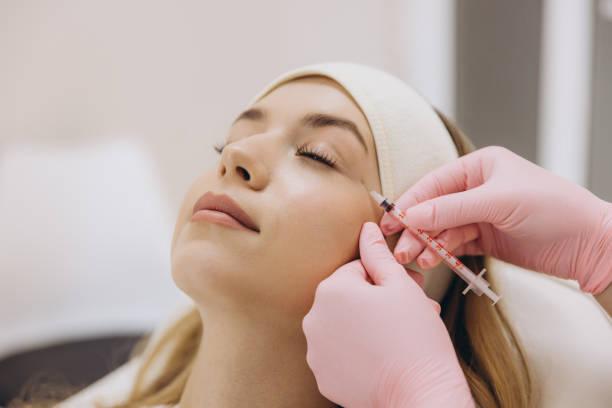
People who are breastfeeding may have questions about whether Botox treatment is appropriate during this stage of life. Because breastfeeding involves considering both maternal health and an infant's wellbeing, it is important to understand the available evidence, product information, and areas where research remains limited. Botox Injections in Riyadh Rather than relying on general cosmetic-treatment advice, patients should discuss their individual circumstances with a qualified healthcare professional.
Botox Injections in Riyadh should always begin with an informed medical consultation. Botox is a prescription medicine containing botulinum toxin, which temporarily affects selected nerve signals and muscle activity. Cosmetic use is generally intended for appropriately assessed adults, but breastfeeding may require additional consideration before any elective procedure is considered.
What Is Botox and How Does It Work?
Botox is a brand name associated with a formulation of botulinum toxin type A. It is used for selected cosmetic and medical conditions under professional supervision.
Its effects depend on the treatment area and the specific medical indication.
Common applications include:
-
Temporarily softening certain expression-related lines.
-
Managing specific muscle-related conditions.
-
Treating severe underarm sweating in eligible patients.
-
Addressing certain other conditions under specialist care.
Botox is not a general skin-care treatment, and its suitability depends on the individual's health and medical needs.
Is Botox Safe During Breastfeeding?
The safety of Botox during breastfeeding has not been established through extensive clinical research. Available information is limited, and recommendations may differ depending on the product, treatment purpose, and individual circumstances.
Some limited evidence suggests that the amount of botulinum toxin reaching breast milk after certain localized cosmetic treatments may be very low or undetectable. However, this does not establish complete safety for every breastfeeding patient or every formulation.
For this reason, patients should not assume that treatment is automatically safe or automatically unsafe. A qualified healthcare professional can review the available evidence and explain the uncertainties.
Why Is Medical Advice Important?
Breastfeeding patients have additional considerations when evaluating an elective treatment.
Individual Health Assessment
A healthcare professional may review:
-
The patient's general health and medical history.
-
The reason Botox is being considered.
-
Any previous reactions to botulinum toxin products.
-
Current medicines and supplements.
-
The infant's age and relevant feeding circumstances.
This information helps the clinician discuss whether treatment should be postponed or whether further specialist advice is needed.
Understanding Product Information
Different botulinum toxin products may have different approved indications and prescribing information. Patients should ask which product is being considered and request an explanation of its relevant safety information.
What Does Research Say About Botox and Breast Milk?
Research specifically examining Botox use during breastfeeding remains limited. Small studies and case reports have explored whether botulinum toxin can be detected in breast milk after localized treatment.
Some findings have suggested that transfer may be minimal in the circumstances studied. However, small studies cannot answer every safety question or establish that all products, treatment areas, and clinical situations carry the same level of risk.
Important limitations include:
-
Limited numbers of participants.
-
Differences in products and treatment circumstances.
-
Insufficient evidence about every possible infant outcome.
-
Lack of large, comprehensive clinical studies.
Patients should discuss current product information and relevant research with their healthcare professional rather than interpreting limited findings as a universal safety guarantee.
Should Cosmetic Botox Be Postponed While Breastfeeding?
Because cosmetic Botox is elective and breastfeeding safety evidence remains limited, a patient may choose to postpone treatment until after breastfeeding. This is a cautious option that can be discussed with a healthcare professional.
The decision should consider:
-
Whether the treatment is cosmetic or medically necessary.
-
The patient's health and medical history.
-
Available evidence for the specific product.
-
The potential benefits and uncertainties.
-
Whether another approach is more appropriate.
For a medical condition that may benefit from botulinum toxin, the decision may require input from the relevant specialist and the clinician supporting breastfeeding care.
What Alternatives Can Patients Consider?
If a breastfeeding patient decides to postpone Botox, there may be other ways to address selected skin concerns without injectable treatment.
Depending on the concern, options may include:
-
Gentle cleansing and regular moisturizing.
-
Sun protection suitable for the individual's skin.
-
Discussing skin-care ingredients with a healthcare professional.
-
Avoiding products that cause irritation.
-
Seeking professional advice before starting prescription skin treatments.
Not every skin-care ingredient or procedure is automatically appropriate during breastfeeding. Patients should check product labels and consult a healthcare professional before introducing treatments with uncertain safety information.
Questions to Ask During a Consultation
A consultation should provide clear information without pressure to proceed. Patients can ask:
-
Is Botox necessary for my medical concern?
-
What is known about this product during breastfeeding?
-
What uncertainties remain in the available research?
-
Should I consider postponing treatment?
-
Are there alternatives with better-established safety information?
-
Which healthcare professionals should be involved in the decision?
Searching for botox offers near me should never replace a proper medical discussion, particularly when breastfeeding is involved.
Conclusion
Botox and breastfeeding require careful consideration because available safety research remains limited. Some evidence suggests that transfer into breast milk after certain localized treatments may be minimal, but this does not establish universal safety. Breastfeeding patients should discuss the specific product, medical purpose, and individual circumstances with a qualified healthcare professional. Postponing an elective cosmetic procedure may be a reasonable cautious choice.
For those seeking expert guidance and customized aesthetic care, you can book an appointment consultation at the 'Enfield Royal Riyadh.
Frequently Asked Questions
1. Is Botox proven safe during breastfeeding?
No. Research is limited, so safety cannot be guaranteed for every patient or product.
2. Can Botox enter breast milk?
Limited research suggests transfer may be minimal in some circumstances, but evidence remains insufficient.
3. Should breastfeeding patients postpone cosmetic Botox?
Postponing an elective procedure may be a cautious option to discuss with a healthcare professional.
4. Should breastfeeding stop after Botox treatment?
Patients should not make feeding changes based on assumptions. Discuss the specific situation with a qualified clinician.
5. Who should breastfeeding patients consult before Botox?
Discuss the decision with a qualified healthcare professional familiar with the treatment and breastfeeding considerations.

 English
 Arabic
 French
 Spanish
 Portuguese
 Deutsch
 Turkish
 Dutch
 Russian
 Romaian
 Portuguese (Brazil)
 Greek