
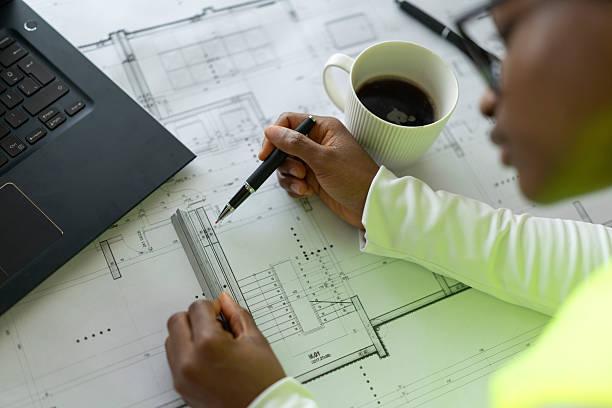
Understanding the Role of Reflection in Academic Skill Building
Academic success is often associated with knowledge acquisition, consistent study habits, and effective time management. However, one essential element that influences long term learning is reflection. Reflection in academic skill building allows students to examine their experiences, understand their strengths and weaknesses, and make informed decisions about improving their performance.
Rather than simply completing assignments, attending lectures, or preparing for examinations, reflective learners actively consider what they have learned and how they have learned it. This process transforms everyday academic activities into opportunities for continuous improvement. By thinking critically about their approaches, students can develop stronger problem solving abilities, better learning strategies, and greater confidence in their academic abilities.
Educational researchers have long recognized reflection as a powerful component of effective learning. The work of scholars such as Donald Schön, who explored reflective practice among professionals, highlights the importance of examining experiences to improve future actions. In academic environments, this approach helps students move beyond memorization and develop deeper understanding.
How Reflection Enhances Learning Awareness
One of the main benefits of reflection is increased self awareness. Students who regularly reflect on their academic experiences become more aware of the methods that support their learning and the challenges that limit their progress. For example, a student may realize that reviewing notes immediately after a lecture improves understanding, while another may discover that group discussions help them develop clearer ideas.
This awareness encourages students to become active participants in their own education. Instead of depending entirely on external feedback from teachers or assessments, reflective learners develop the ability to evaluate their own progress. This skill is valuable not only during education but also in professional environments where independent learning and adaptability are highly valued.
Reflection also encourages students to identify patterns in their academic behavior. Recognizing repeated mistakes, ineffective study techniques, or areas of improvement allows learners to make practical changes. Over time, these small adjustments can significantly strengthen academic performance.
Developing Essential Academic Skills Through Reflection
Academic skills involve more than achieving high grades. They include communication, critical thinking, research ability, organization, collaboration, and independent learning. Reflection supports the development of each of these skills by encouraging students to analyze their experiences and apply lessons to future situations.
For instance, reflective writing activities such as learning journals, self assessments, and post assignment reviews help students evaluate their reasoning processes. Instead of focusing only on the final result, students consider the steps they followed, the decisions they made, and the improvements they can implement in future tasks.
Reflection and Critical Thinking Development
Critical thinking is one of the most important academic skills, and reflection plays a central role in strengthening it. When students reflect, they question assumptions, examine evidence, and consider alternative perspectives. This deeper analysis helps them develop more balanced and informed opinions.
In research and academic writing, reflection allows students to assess the quality of their sources, the effectiveness of their arguments, and the clarity of their communication. It encourages a thoughtful approach rather than a purely descriptive one.
Students working on complex academic tasks can also benefit from structured guidance and resources that support skill development, such as hnd assignment help, which can provide additional academic support and learning strategies through relevant internal resources.
Improving Time Management and Study Practices
Many academic challenges are connected to planning and organization. Reflection helps students review how they use their time and determine whether their current routines are effective. After completing a project or examination period, a reflective review can reveal which preparation methods worked well and which areas require adjustment.
This process helps students create more realistic goals and develop sustainable study habits. Rather than repeatedly using ineffective approaches, reflective learners make evidence based changes that improve efficiency.
Reflection is especially valuable in higher education, where students often have greater independence and responsibility for managing coursework. Developing the ability to evaluate personal learning strategies prepares students for lifelong learning beyond formal education.
Practical Ways Students Can Use Reflection for Academic Growth
Reflection does not need to be complicated or time consuming. Simple practices can help students integrate reflection into their academic routines. Writing a short review after completing an assignment, considering feedback from instructors, or setting personal learning goals are effective ways to encourage reflective habits.
Using Feedback as a Tool for Improvement
Feedback is a valuable source of information, but its impact depends on how students respond to it. Reflective learners view feedback as an opportunity to improve rather than simply as a judgment of their performance.
By carefully reviewing comments from teachers and identifying common areas for improvement, students can develop stronger academic techniques. For example, feedback about unclear arguments may encourage a student to improve research organization, while comments about presentation style may support better communication skills.
Universities and educational institutions often emphasize feedback based learning because it encourages continuous development. Reflection helps students transform feedback into practical action.
Creating a Reflective Learning Routine
A consistent reflective routine can make academic improvement more manageable. Students may choose to spend a few minutes after completing a task considering what they learned, what challenges they faced, and what they would do differently next time.
Reflective questions can guide this process. Students might ask themselves whether their goals were achieved, whether their study methods were effective, and how their understanding of a topic has changed. These questions encourage deeper engagement with learning materials.
Digital tools, learning portfolios, and academic journals can also support reflection by allowing students to record progress over time. These records provide valuable evidence of development and help learners recognize their achievements.
The Importance of Reflection in Modern Education
Modern education increasingly focuses on skills that extend beyond subject knowledge. Employers and academic institutions value individuals who can adapt, analyze information, communicate effectively, and continue learning throughout their careers. Reflection supports these abilities by encouraging curiosity, responsibility, and continuous improvement.
Reflection as a Lifelong Learning Skill
The benefits of reflection continue beyond academic study. Professionals in many fields use reflective practices to improve decision making, solve problems, and develop expertise. The ability to evaluate experiences and apply lessons is essential in a rapidly changing world.
Research from organizations such as the National Education Association and educational institutions worldwide highlights the importance of metacognition, or awareness of one’s own thinking processes, in improving learning outcomes. Reflection is closely connected to metacognition because it helps individuals understand how they learn best.
By developing reflective habits during education, students build skills that remain valuable throughout their personal and professional lives.
Conclusion: Reflection as a Foundation for Academic Success
Reflection is a powerful tool for academic skill building because it turns experiences into opportunities for growth. Through thoughtful evaluation of learning processes, students can improve critical thinking, organization, communication, and independent learning abilities.
Academic achievement is not only about gaining information but also about understanding how to use that information effectively. Reflection helps learners become more aware, adaptable, and confident in their educational journeys.
As students continue to reflect on their progress, challenges, and achievements, they develop the skills needed to succeed in both academic and professional environments. By making reflection a regular part of learning, individuals can create a foundation for continuous improvement and lifelong success.

 Arabic
 French
 Spanish
 Portuguese
 Deutsch
 Turkish
 Dutch
Dutch
 Italiano
 Russian
 Romaian
 Portuguese (Brazil)
 Greek
Greek