
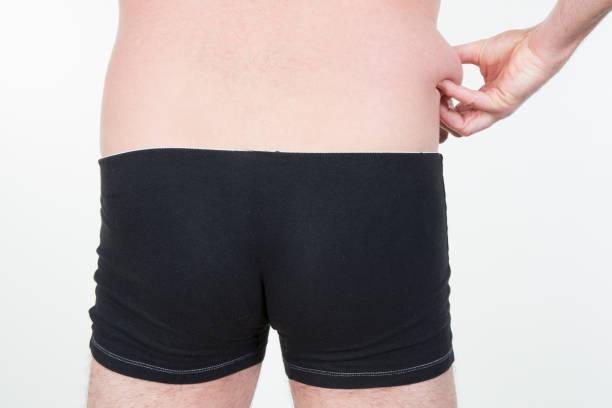
Choosing the right exercises is the difference between spinning your wheels and achieving a leaner, more athletic physique. For men aiming to lose stubborn gluteal fat, the goal isn't just to burn calories—it's to build the muscle underneath that gives your lower body shape and definition. How to Lose Butt Fat for Men? provides a clear framework for selecting exercises that maximize both fat loss and strength gains.
The Myth of Spot Reduction: Why Your Exercise Choice Matters Differently
The most critical concept to understand is that you cannot choose where your body loses fat. Doing endless squats will build muscle, but it won't directly burn the fat on top of it. Your body loses fat from all over as you get leaner, and genetics largely decide the order .
Therefore, the goal of exercise selection isn't to "melt" fat from your glutes. It's to achieve two things:
-
Lower your overall body fat percentage: This happens through creating a calorie deficit, which exercise supports by burning calories and boosting metabolism.
-
Build the gluteal muscles: This is what creates a tighter, leaner, and more defined appearance. By choosing the right exercises, you build the muscle that will shape your lower body as the fat layer diminishes.
The Foundation: Compound Exercises for Maximum Impact
For both fat loss and muscle growth, compound exercises that engage multiple large muscle groups are your most powerful tools. These movements burn a high number of calories, build functional strength, and stimulate a significant hormonal response for muscle growth.
The "Big Three" for Lower Body
Squats: Squats are a foundational lower-body exercise that targets the quadriceps, hamstrings, and glutes. Variations like the goblet squat are excellent for beginners, while barbell back squats and front squats offer more loading potential. A 2025 study on body recomposition shows that different squat depths can target gluteal muscles differently, with deeper squats emphasizing the glutes more.
Deadlifts: Deadlifts are a powerful hinge movement that builds the entire posterior chain, including the glutes and hamstrings. The standard deadlift and Romanian deadlift (RDL) are staples for building glute mass and overall strength.
Lunges and Step-Ups: These unilateral movements are essential for building muscle and improving balance. Walking lunges, Bulgarian split squats, and step-ups (especially with a high box) are highly effective for developing the glutes. Step-ups on a high box specifically produce significant glute activation.
The Synergists: Supporting Exercises for Targeted Growth
While compound exercises should be the core of your program, accessory exercises help target specific areas and support your main lifts.
Hip Thrusts: This exercise directly targets the gluteus maximus. Studies show that barbell hip thrusts activate the glutes more than squats. For targeting specific areas, exercises like back extensions help target the upper glutes, while deadlifts or Bulgarian split squats emphasize the lower glutes.
Glute Bridges: A great starting point and a valuable finisher for activating the glutes, often performed with body weight or a barbell.
Abduction and External Rotation: Exercises like side-lying leg raises and clamshells target the gluteus medius, a key stabilizer that improves the aesthetic shape of the glutes.
Structuring Your Workout for Strength and Slimming
A well-structured workout combines these exercises to maximize both fat loss and muscle growth.
Prioritize Strength: Start your workout with heavy compound lifts (like squats and deadlifts) while you are fresh. This allows you to lift the most weight, providing the stimulus for muscle growth.
Add Metabolic Work: Combine your strength training with high-intensity work to boost calorie burn. A protocol like the "30 for 30" approach—30 minutes of strength training followed by 30 minutes of cardiovascular work—has been shown to be effective for body recomposition.
Incorporate Accessory Work: Finish your workout with targeted exercises like hip thrusts or lunges to fully fatigue the glutes.
Advanced Aesthetic Interventions
Sometimes, even with a perfect diet and training plan, stubborn, localized fat remains resistant. If you are near your ideal weight but cannot shift specific pockets of fat from your glutes, aesthetic treatments can provide a targeted solution. Results for treatments such as CoolSculpting (cryolipolysis) for pinchable fat rolls or Emsculpt Neo for building muscle and reducing fat typically appear within 4-12 weeks.
For those seeking expert guidance and customized aesthetic care, you can book an appointment consultation at the Enfield Royal Clinic.
Frequently Asked Questions
What is the best exercise for losing buttock fat?
To develop muscle and enhance metabolism, mix heavy compound movements like squats and deadlifts with high-intensity interval training.
Can I lose fat from my butt by just doing squats?
No. Squats build muscle, but you cannot spot-reduce fat. You must lower your overall body fat percentage through a calorie deficit.
What are the most important exercises for glute growth?
The "Big Three" are squats, deadlifts, and lunges. Accessory exercises like hip thrusts are also highly effective for targeted glute development.
How often should I train my glutes to see results?
Training your glutes 2-3 times per week with heavy, compound lifts is generally recommended for optimal growth and strength development.
How important is nutrition for losing butt fat?
Nutrition is the most important factor. A calorie deficit from whole foods and high protein intake is essential for losing body fat anywhere.

 English
 Arabic
 French
 Portuguese
 Deutsch
 Turkish
 Dutch
Dutch
 Italiano
 Russian
 Romaian
 Portuguese (Brazil)
 Greek
Greek