
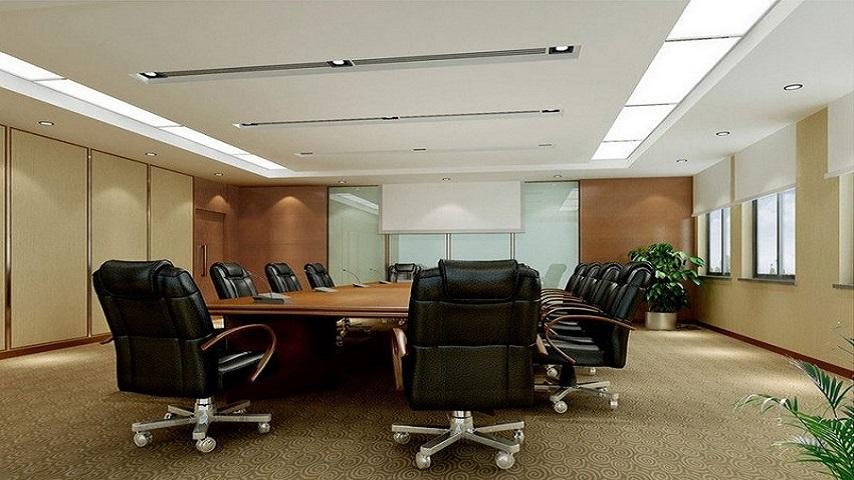
A cafeteria is more than just a place to eat—it is a space where people relax, socialize, recharge, and often collaborate. Whether located in a corporate office, educational institution, healthcare facility, or commercial complex, a well-designed cafeteria can significantly influence the overall user experience. The most successful cafeteria designs strike a balance between functionality and aesthetics, creating an environment that is efficient to operate and enjoyable to use.
Modern cafeteria design focuses on enhancing comfort, improving movement, supporting operational needs, and creating an inviting atmosphere. Let's explore the key elements that contribute to a cafeteria that is both functional and visually appealing.
Smart Space Planning
One of the most important elements of cafeteria design is effective space planning. A well-organized layout ensures that diners can move comfortably through the space while staff can perform their tasks efficiently.
Good space planning includes:
- Clearly defined dining zones
- Efficient food service counters
- Comfortable circulation paths
- Adequate spacing between tables
- Easy access to entrances and exits
A thoughtfully planned layout minimizes congestion and improves the overall dining experience.
Comfortable and Flexible Seating Arrangements
Seating plays a crucial role in both comfort and functionality. Modern cafeterias often incorporate a variety of seating options to accommodate different user preferences and group sizes.
Popular seating choices include:
- Individual tables
- Communal dining tables
- Booth seating
- Lounge-style seating
- High-top counters
Flexible seating arrangements allow the space to adapt to changing needs and encourage social interaction.
Attractive Lighting Design
Lighting significantly impacts the mood and atmosphere of a cafeteria. A combination of natural and artificial lighting can make the space feel more welcoming and comfortable.
Effective lighting strategies may include:
- Large windows for natural daylight
- Pendant lights above dining areas
- Accent lighting for decorative features
- Energy-efficient LED fixtures
- Adjustable lighting for different times of day
Proper lighting enhances both functionality and visual appeal.
Use of Natural Materials and Textures
Natural materials bring warmth and character to cafeteria interiors. Architects and designers often incorporate elements such as wood, stone, and natural finishes to create a comfortable and inviting environment.
Benefits of natural materials include:
- Timeless visual appeal
- Enhanced comfort
- Improved connection to nature
- Greater design versatility
These materials help create a welcoming atmosphere that encourages users to spend time in the space.
Thoughtful Color Schemes
Color has a strong influence on how people perceive and experience a space. Carefully selected color palettes can make cafeterias feel energetic, relaxing, modern, or sophisticated.
Designers often use colors to:
- Create a welcoming environment
- Reflect brand identity
- Define different zones
- Enhance visual interest
- Influence mood and behavior
A balanced color scheme contributes to both aesthetics and user comfort.
Efficient Food Service Layout
A cafeteria's functionality depends heavily on how efficiently food service areas are designed. The arrangement of serving counters, display stations, and payment points should support smooth customer flow.
Key considerations include:
- Organized queue management
- Easy menu visibility
- Accessible service counters
- Convenient payment stations
- Logical food display arrangements
An efficient service layout reduces waiting times and improves user satisfaction.
Incorporation of Natural Light
Natural light is one of the most desirable features in modern cafeteria design. Large windows, skylights, and open layouts can significantly enhance the dining experience.
Advantages of natural light include:
- Improved mood and well-being
- Reduced energy consumption
- Better visual comfort
- Enhanced interior aesthetics
Bright, naturally lit spaces often feel more spacious and inviting.
Acoustic Comfort
Noise management is an often-overlooked aspect of cafeteria design. Excessive noise can negatively affect the dining experience, especially during peak hours.
To improve acoustic comfort, designers may use:
- Acoustic ceiling panels
- Sound-absorbing wall materials
- Upholstered seating
- Strategic space zoning
- Noise-reducing flooring materials
These solutions create a more pleasant and comfortable environment.
Green Design Elements
Biophilic design is becoming increasingly popular in cafeteria interiors. Integrating natural elements can improve aesthetics while supporting user well-being.
Examples include:
- Indoor plants
- Green walls
- Natural textures
- Outdoor dining spaces
- Nature-inspired décor
Green features help create a refreshing and relaxing atmosphere.
Flexible Multi-Purpose Areas
Modern cafeterias often serve multiple functions beyond dining. They may be used for meetings, events, informal discussions, celebrations, or team gatherings.
Flexible design features may include:
- Movable furniture
- Open gathering spaces
- Modular seating arrangements
- Adaptable layouts
These elements increase the usability and value of the space.
Branding and Visual Identity
For businesses and institutions, cafeteria design can also reinforce brand identity. Incorporating branding elements helps create a cohesive environment that aligns with organizational culture.
Examples include:
- Customized graphics
- Branded color palettes
- Feature walls
- Thematic décor
- Organizational messaging
These details contribute to a memorable and distinctive dining experience.
Sustainable Design Features
Sustainability is an important consideration in contemporary cafeteria design. Environmentally responsible solutions not only reduce operational costs but also support long-term environmental goals.
Common sustainable features include:
- Energy-efficient lighting
- Recycled materials
- Water-saving fixtures
- Waste management systems
- Eco-friendly finishes
Sustainable design adds both functional and environmental value to the cafeteria.
Conclusion
A functional and visually appealing cafeteria combines thoughtful planning, efficient operations, attractive aesthetics, and user-focused design principles. Elements such as smart space planning, comfortable seating, effective lighting, natural materials, acoustic comfort, and sustainable features work together to create a welcoming environment that enhances the dining experience.
By incorporating these design elements, organizations can develop cafeterias that not only meet practical requirements but also become vibrant spaces where people enjoy gathering, relaxing, and connecting.
Looking for premium Turnkey Office Interior Vadodara services for your workspace?
Get customized designs, seamless execution, and modern interiors tailored to your business needs!

 Arabic
 French
 Spanish
 Portuguese
 Deutsch
 Turkish
 Dutch
Dutch
 Italiano
 Russian
 Romaian
 Portuguese (Brazil)
 Greek
Greek