
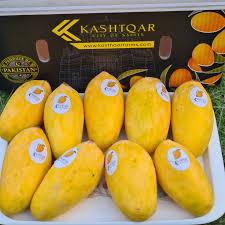
Pakistan is famous around the world for its delicious mangoes, including popular varieties such as Chaunsa, Sindhri, Anwar Ratol and Langra. While fresh mangoes are enjoyed mainly during the summer season, Dry Mango in Pakistan offers a convenient way to preserve the flavour and sweetness of mangoes for longer periods.
Dried mango can be enjoyed as a snack, used in desserts and smoothies, or processed into mango powder for cooking. Pakistan's growing focus on value-added mango products has also created opportunities for dried mango processing, packaging and exports. In May 2026, Pakistan's Minister for National Food Security and Research specifically highlighted dried mango, pulp, puree and ready-to-eat mango products as value-added categories that could help expand the country's mango exports.
What Is Dry Mango?
Dry mango is mango fruit from which a significant amount of moisture has been removed through a drying or dehydration process. The mango may be peeled, sliced and dried until it develops a softer, chewy or firm texture, depending on the processing method.
Dried mango is different from fresh mango because it contains much less water and can generally be stored for longer when properly processed and packaged. It can be produced from different mango varieties, depending on the desired flavour, texture and commercial application.
Some dried mango products are made from ripe mangoes and have a naturally sweet taste, while dried green mango can have a more sour and tangy flavour. Green dried mango is also commonly processed into mango powder, often known as amchoor.
Why Is Dry Mango Popular in Pakistan?
Mango is an important fruit crop in Pakistan, and the country has a long tradition of growing and consuming mangoes. Popular Pakistani varieties are valued for their sweetness, aroma and distinctive flavours.
Drying provides a way to transform seasonal fruit into a shelf-stable food product. Instead of enjoying mango only during the harvest season, consumers can purchase dried mango throughout the year.
There is also increasing interest in value-added mango products. Pakistan's government has encouraged exporters to focus on processing, packaging and branding rather than relying exclusively on bulk fresh mango exports.
Types of Dry Mango in Pakistan
Different types of dried mango are available depending on the mango variety and processing method.
1. Dried Mango Slices
Dried mango slices are prepared by cutting mango into pieces and removing moisture through controlled drying. They can be eaten as a snack or used as an ingredient in other foods.
The Pakistan Trade Portal currently lists dried mango slices as a commercial product, describing them as suitable for snacks as well as milkshakes and smoothies. The listed product has a 500-packet minimum order quantity, showing that dried mango is also available for wholesale buyers.
2. Dried Green Mango
Green mango can be dried before being used as a sour ingredient. It has a stronger tangy flavour than sweet dried ripe mango and is useful in traditional South Asian cooking.
3. Mango Powder
Dried mango can be ground into powder after dehydration. Mango powder is commonly used to provide a sour, fruity taste to curries, chutneys, spice mixes, marinades and snacks.
4. Sweetened Dried Mango
Some commercial dried mango products may contain added sugar or other ingredients. Consumers who prefer a more natural product should check the ingredient list and product specification before buying.
Popular Mango Varieties Used for Drying
The variety used for dried mango can influence the final taste and texture.
Chaunsa
Chaunsa is one of Pakistan's best-known mango varieties. It is highly valued for its sweetness, aroma and juicy flesh. Because of its strong flavour, Chaunsa can be an attractive option for processed mango products.
Sindhri
Sindhri is another popular Pakistani mango known for its large size, sweetness and distinctive flavour. It is widely recognised as one of Pakistan's important commercial mango varieties.
Anwar Ratol
Anwar Ratol is known for its strong aroma and rich flavour. Although smaller than some other varieties, it has a loyal consumer following.
Langra
Langra has a distinctive sweet and slightly tangy flavour and is another traditional mango variety found in Pakistan.
The suitability of any particular variety for drying depends on factors such as maturity, fibre content, moisture level, processing method and the desired final product.
How Is Dry Mango Made?
Commercial dried mango production involves several stages.
Selecting the Mangoes
Manufacturers first select suitable fruit according to the required quality and product specifications. Mangoes should be free from significant damage and suitable for processing.
Washing and Preparation
The fruit is cleaned before processing. Depending on the product, the mango may then be peeled.
Cutting
The mangoes are cut into slices or pieces of appropriate thickness. Consistent cutting can help achieve more uniform drying.
Drying
The prepared mango is dehydrated using an appropriate drying process. Commercial producers may use controlled drying equipment to manage temperature, time and moisture removal.
Inspection
After drying, the product can be inspected for appearance, texture, flavour and other quality characteristics.
Packaging
The finished mango should be placed in suitable food-grade packaging designed to protect it from moisture and contamination.
Storage
Proper storage is important because dried fruit can absorb moisture from the surrounding environment. Good packaging and appropriate storage conditions can help maintain product quality.
Benefits of Dry Mango
Dry mango can offer several practical advantages.
Available Beyond Mango Season
Fresh mango is seasonal, but properly processed dried mango can be available throughout the year.
Convenient Snack
Dried mango is easy to carry and can be consumed without peeling or cutting fresh fruit.
Useful Food Ingredient
Dried mango can be added to desserts, smoothies, breakfast foods and snack mixes. Mango powder has additional applications in savoury cooking.
Easier Storage and Transportation
Because much of the fruit's water has been removed, dried mango can be more convenient to store and transport than fresh mango. However, packaging and storage conditions remain important.
Value-Added Mango Product
For farmers and food businesses, drying can create another commercial use for mangoes. Pakistan is increasingly looking at value-added mango products as part of its export strategy.
Is Dry Mango Healthy?
Dried mango can be part of a balanced diet, but it is important to consider portion size and the ingredients used.
Mango naturally contains carbohydrates and naturally occurring sugars. Removing water concentrates the fruit, so a small portion of dried mango can contain more concentrated nutrients and sugars than the same weight of fresh mango.
Some commercial products may also contain added sugar. If you want a product with no added sugar, check the packaging and ingredient list carefully.
Dried mango should therefore be viewed as a convenient fruit snack rather than something that needs to be consumed in unlimited quantities.
How to Choose Good Quality Dry Mango in Pakistan
Whether you are purchasing dried mango for personal use or commercial purposes, quality should be a priority.
Check the Ingredients
Read the label to determine whether the product contains only mango or additional ingredients such as sugar, preservatives or flavouring.
Examine the Texture
Good dried mango should have a texture appropriate to its product type. It should not be excessively wet, damaged or unusually hard unless that is the intended style.
Check Packaging
Choose products in sealed, food-grade packaging that protects the mango from moisture and contamination.
Consider the Supplier
For wholesale purchases, select suppliers that can provide clear product specifications, samples and information about packaging and storage.
Ask About Shelf Life
A professional supplier should provide appropriate shelf-life information and storage instructions.
Dry Mango for Wholesale Buyers
Dried mango is not only a retail snack. It can also be purchased in bulk by restaurants, food manufacturers, retailers, distributors and exporters.
The Pakistan Trade Portal currently lists dried mango from a Lahore-based supplier with a minimum order quantity of 500 packets and sample availability.
Wholesale buyers should ask suppliers about:
- Minimum order quantity
- Price per unit
- Mango variety
- Slice size
- Ingredients
- Drying method
- Packaging options
- Shelf life
- Storage requirements
- Available certifications
- Export documentation
- Delivery arrangements
Requesting a sample before placing a large order is a useful way to evaluate taste, texture and packaging.
Dry Mango and Pakistan's Export Market
Pakistan's mango export industry has traditionally focused heavily on fresh fruit, but value-added products offer another opportunity for international trade.
In 2026, the government highlighted processing, packaging and branding as areas that could strengthen mango exports, specifically mentioning dried mango among the premium value-added products Pakistan should develop.
Trade databases also record dried mango export activity from Pakistan, indicating that processed mango products are part of the country's wider international trade landscape.
For exporters, dried mango can potentially provide a product that is less dependent on the short fresh-mango season. However, international buyers must comply with the food safety, labelling, packaging and import requirements of their destination markets.
Dry Mango vs Fresh Mango
Both fresh and dried mango have their own advantages.
Fresh mango contains a high proportion of water and provides a juicy texture that dried mango cannot replicate. Dried mango, on the other hand, is more convenient to store and carry.
Fresh mango is generally best for eating immediately, making shakes and desserts, while dried mango is useful for snacks, travel, long-term storage and food manufacturing.
The best choice depends on your purpose and personal preference.
How to Store Dry Mango
Proper storage helps maintain the quality of dried mango.
Keep the product sealed and store it according to the manufacturer's instructions. Protect it from excessive heat, humidity and direct sunlight.
Once opened, reseal the package properly. If the product develops an unusual smell, visible mould or significant changes in appearance, it should not be consumed.
For commercial quantities, storage conditions should be selected according to the supplier's product specifications.
Why Buy Dry Mango from Pakistan?
Pakistan has a strong mango-growing tradition and access to several distinctive mango varieties. The development of local processing can turn seasonal mangoes into value-added products such as dried slices and mango powder.
For consumers, this means greater availability of Pakistani mango flavour beyond the fresh season. For businesses, it creates opportunities to sell packaged snacks, ingredients and processed fruit products.
The Pakistan Trade Portal's current listings demonstrate that dried mango is already available as a commercial product, including products intended for wholesale buyers.
Dry Mango in Pakistan is becoming an increasingly useful value-added mango product. Made by removing moisture from mango fruit, dried mango can provide a convenient snack and versatile food ingredient while extending the usability of a highly seasonal fruit.
From sweet dried Chaunsa or Sindhri-style mango products to tangy dried green mango and mango powder, Pakistan offers different possibilities for consumers and businesses.
When buying dried mango, pay attention to ingredients, mango quality, texture, packaging, storage instructions and supplier reputation. Wholesale and export buyers should also request detailed product specifications and samples before making large purchases.
As Pakistan continues to explore value addition, processing and improved packaging in the mango sector, dried mango has the potential to become an increasingly important part of the country's mango industry and export portfolio.
FAQs About Dry Mango in Pakistan
1. What is dry mango in Pakistan?
Dry mango is mango fruit that has been dehydrated to remove much of its moisture. It can be sold as slices, pieces or processed into mango powder.
2. Which mango varieties can be used to make dried mango?
Different varieties can be processed into dried mango. Pakistani varieties such as Chaunsa, Sindhri, Anwar Ratol and Langra are well known, although the best variety depends on the desired flavour, texture and processing requirements.
3. Is dried mango available throughout the year?
Yes. Unlike fresh mango, which is seasonal, commercially dried mango can be stored and sold beyond the fresh mango harvest period when it is properly processed and packaged.
4. Is dry mango the same as mango powder?
No. Dried mango normally refers to mango pieces or slices from which moisture has been removed. Mango powder is produced by drying mango and grinding it into powder.
5. Can I buy dry mango in bulk in Pakistan?
Yes. Commercial and wholesale dried mango products are available from Pakistani suppliers. The Pakistan Trade Portal currently lists dried mango with a minimum order quantity of 500 packets from one Lahore-based supplier.
6. Does dried mango contain added sugar?
It depends on the product. Some dried mango products may contain added sugar, while others may be made without added sugar. Always check the ingredient list before purchasing.
7. How should dried mango be stored?
Dried mango should generally be kept sealed and protected from moisture, excessive heat and direct sunlight. Follow the storage instructions provided by the manufacturer.
8. Can dry mango from Pakistan be exported?
Yes. Pakistan has dried mango export activity, and the government is encouraging greater development of value-added mango products, including dried mango.
9. What can I use dried mango for?
Dried mango can be eaten as a snack or added to desserts, smoothies and snack mixes. Mango powder can be used in curries, chutneys, marinades and spice blends.
10. What should I check before buying dry mango?
Check the ingredients, mango variety, texture, packaging, shelf life, storage instructions and supplier reputation. For wholesale purchases, ask for samples and detailed product specifications before placing a large order.

 English
 Arabic
 French
 Portuguese
 Deutsch
 Turkish
 Dutch
Dutch
 Italiano
 Russian
 Romaian
 Portuguese (Brazil)
 Greek
Greek