
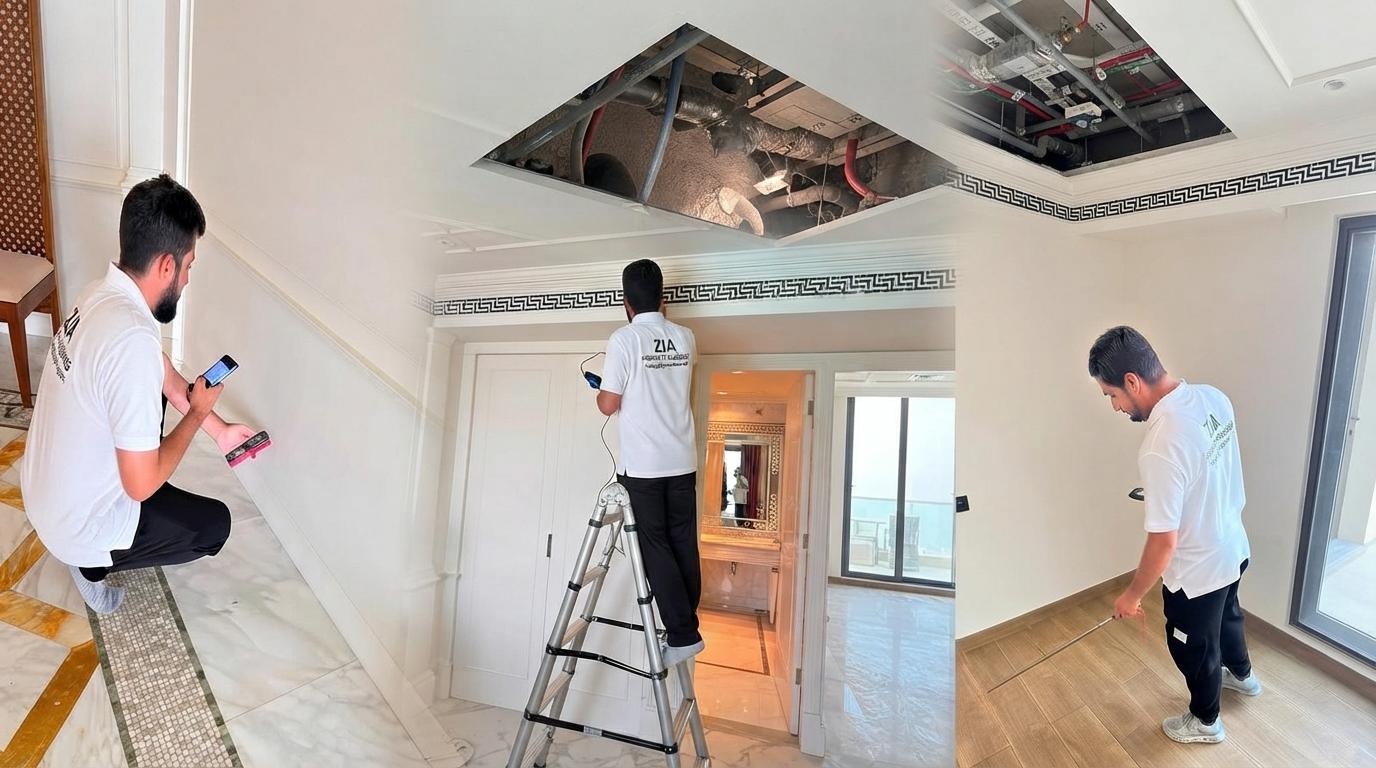
Building inspection is an essential process for anyone involved in buying, selling, owning, managing, or maintaining a property. A building may appear attractive and well maintained from the outside, but hidden defects can exist behind walls, beneath floors, within roofing systems, or inside essential services. These issues may affect safety, comfort, property value, and future maintenance costs.
A professional building inspection helps identify visible and accessible concerns before they develop into more serious problems. The inspection process provides a clearer understanding of a property's overall condition and allows owners, buyers, and managers to make informed decisions.
Whether the property is residential, commercial, or part of a larger development, a thorough inspection can reveal concerns that may otherwise remain unnoticed. From structural elements and moisture problems to electrical concerns and poor workmanship, building inspection plays an important role in protecting both the property and the people who use it.
What Is Building Inspection?
Building inspection is the professional examination of a property's visible and accessible components to identify defects, damage, maintenance concerns, and potential safety issues. The purpose is to understand the general condition of the building and highlight areas that may require attention.
An inspection can cover various parts of a property, including:
- Structural elements
- Roofing systems
- Walls and ceilings
- Floors and finishes
- Doors and windows
- Plumbing systems
- Electrical components
- Heating and cooling systems
- Moisture concerns
- Exterior areas
- General workmanship
The findings are usually documented in an inspection report. This report helps the client understand the condition of the property and prioritize necessary repairs, maintenance, or further investigation.
Why Is Building Inspection Important?
A building inspection provides valuable information that cannot always be identified during a casual property visit. Visual appearance can sometimes hide serious concerns. Fresh paint, new finishes, or recent renovations may make a property look excellent while underlying issues remain unresolved.
Inspection helps identify problems at an earlier stage. Detecting defects early can reduce the risk of more extensive damage and unexpected repair expenses.
Building inspection is also important for safety. Problems involving electrical systems, structural components, water leakage, damaged surfaces, or poorly installed elements can create potential hazards. Identifying these concerns allows property owners to take appropriate action.
Another major benefit is confidence during property transactions. Buyers can better understand the property's condition before making an important decision. Sellers can also identify issues that may need attention before presenting the property to potential buyers.
Common Areas Checked During a Building Inspection
A detailed building inspection may examine several important areas of the property.
Structural Components
Structural elements are among the most important parts of any building. Inspectors may look for visible signs of cracking, movement, deterioration, uneven surfaces, or other conditions that could indicate structural concerns.
Not every crack represents a serious problem, but some patterns may require further investigation. An experienced inspector can identify visible warning signs and recommend appropriate action when necessary.
Roof and Exterior Areas
The roof protects the property from weather exposure and moisture. During an inspection, visible roof areas may be checked for damage, deterioration, poor drainage, loose materials, and signs of water penetration.
Exterior walls, balconies, pathways, boundary areas, and other accessible components may also be inspected. Cracks, damaged finishes, water stains, and workmanship issues can often be identified during this process.
Interior Spaces
Interior inspection usually includes walls, ceilings, floors, doors, windows, and visible finishes. Inspectors may look for cracks, stains, uneven surfaces, damaged materials, poor alignment, and signs of moisture.
Doors and windows may also be checked for operation and visible installation concerns. Problems with alignment or movement can affect both comfort and energy efficiency.
Plumbing Systems
Visible plumbing components may be examined for leaks, water pressure concerns, damaged fittings, drainage issues, and signs of moisture.
Water damage can sometimes spread behind finishes and affect surrounding materials. Early identification of visible plumbing concerns can help prevent further deterioration.
Electrical Components
Electrical inspection may involve checking accessible outlets, switches, visible wiring, electrical panels, and other observable components.
The purpose is to identify visible defects, damaged components, or potential safety concerns. Any issue requiring specialist investigation should be handled by a qualified professional.
Heating and Cooling Systems
Where accessible and included within the inspection scope, heating and cooling systems may be visually assessed for general condition, installation concerns, and visible damage.
A properly functioning indoor environment contributes to comfort and can also help prevent problems related to excessive moisture and poor ventilation.
Building Inspection for Property Buyers
For buyers, building inspection can be one of the most valuable stages of the property evaluation process. Purchasing a building often involves a significant financial commitment, and unexpected defects can create additional expenses after ownership changes.
An inspection allows the buyer to understand the visible condition of the property before moving forward. It can reveal maintenance concerns, workmanship issues, water damage, and other defects that may not be obvious during a standard viewing.
The inspection report can also help buyers prepare for future maintenance. Even when a property is generally in good condition, understanding which areas may require attention can support better planning.
Building Inspection for Property Owners
Building inspection is not only useful during property transactions. Existing property owners can also benefit from regular assessments.
Buildings experience wear and tear over time. Weather exposure, daily use, moisture, aging materials, and maintenance delays can gradually affect different components.
An inspection can help property owners identify concerns before they become more serious. Preventive maintenance is often easier to manage than dealing with extensive damage after a problem has developed.
For landlords and property managers, inspections can also support better maintenance planning and improve the overall condition of the property.
Building Inspection for New Properties
Newly constructed properties can also contain defects. A new building may have issues related to workmanship, finishing, installation, alignment, or incomplete work.
A building inspection before final acceptance or occupancy can help identify visible concerns that require correction. These may include damaged finishes, improperly fitted doors, plumbing leaks, cracks, uneven surfaces, or other construction defects.
Inspecting a new property helps ensure that concerns are documented clearly and can be addressed at the appropriate stage.
What Happens During the Inspection Process?
The inspection process generally begins with an assessment of the property and its accessible areas. The inspector carefully examines relevant components based on the agreed scope of work.
Notes and observations are recorded throughout the inspection. Photographs may also be used to document visible defects and areas of concern.
After the inspection is complete, the findings are organized into a report. A useful building inspection report should clearly explain the observed concerns and help the client understand which issues may require attention.
The report may identify:
- Visible defects
- Maintenance concerns
- Safety observations
- Water or moisture issues
- Workmanship problems
- Damaged components
- Areas requiring further investigation
The purpose is to provide a clear overview of the property's observed condition.
How to Choose a Building Inspection Professional
Choosing the right inspection professional is important. Experience, attention to detail, communication skills, and understanding of building systems can all affect the quality of the inspection.
A good inspector should clearly explain what is included in the inspection and what falls outside the scope. Clients should also receive a report that is easy to understand and organized in a practical way.
It is helpful to choose someone with relevant experience in the type of property being inspected. Residential, commercial, and newly constructed buildings can have different requirements and concerns.
The inspector should also communicate observations objectively. A professional inspection focuses on the actual condition of accessible components rather than making unnecessary assumptions.
Common Problems Found During Building Inspections
Building inspections can reveal a wide range of concerns depending on the age, condition, construction quality, and maintenance history of the property.
Common findings may include moisture damage, cracks, damaged finishes, roof deterioration, plumbing leaks, drainage concerns, electrical defects, poor ventilation, damaged doors or windows, and general maintenance issues.
Poor workmanship can also be identified in some properties. Uneven finishes, incorrectly installed components, gaps, misalignment, and incomplete work can affect both appearance and functionality.
Not every issue will be serious, but documenting concerns allows property owners and buyers to understand what needs attention.
Benefits of Regular Building Inspection
Regular building inspection can support long-term property maintenance. It allows owners to monitor changes in the condition of the building and respond to concerns before they become more extensive.
Some important benefits include:
- Improved property safety
- Early identification of visible defects
- Better maintenance planning
- Reduced risk of unexpected problems
- Improved understanding of property condition
- Support during buying or selling decisions
- Identification of workmanship concerns
- Better protection of property value
A well-maintained property is generally easier to manage and can provide greater confidence to owners, occupants, and potential buyers.
FAQs
What is the purpose of a building inspection?
The purpose of a building inspection is to assess the visible and accessible condition of a property. It helps identify defects, maintenance concerns, safety issues, and other problems that may require attention.
Should I get a building inspection before buying a property?
A building inspection can provide valuable information before purchasing a property. It helps buyers understand the property's condition and identify visible concerns that may affect future maintenance or repair requirements.
Can a new building have defects?
Yes, new buildings can have defects related to workmanship, installation, finishing, or incomplete construction. An inspection can help identify visible concerns before final acceptance.
Does building inspection include every hidden problem?
A standard inspection is generally limited to visible and accessible areas. Some hidden or concealed problems may require specialist testing or further investigation.
How does a building inspection report help?
The report documents the inspector's observations and provides a clear overview of the property's condition. It can help property owners, buyers, and managers understand which areas may require maintenance, repair, or further assessment.
Is building inspection useful for existing property owners?
Yes, existing property owners can use inspections to identify maintenance concerns, monitor building condition, and address visible problems before they become more serious.
Conclusion
Building inspection is an important part of responsible property ownership and decision-making. Whether you are purchasing a property, managing an existing building, preparing a property for sale, or assessing a newly completed project, a professional inspection can provide valuable insight into its visible condition.
By identifying defects, maintenance concerns, workmanship issues, and potential safety problems, building inspection helps property owners and buyers make more informed decisions. It also supports preventive maintenance by highlighting concerns before they have an opportunity to develop into larger and more costly problems.

 English
 Arabic
 French
 Spanish
 Portuguese
 Deutsch
 Turkish
 Dutch
Dutch
 Italiano
 Russian
 Romaian
 Greek
Greek