
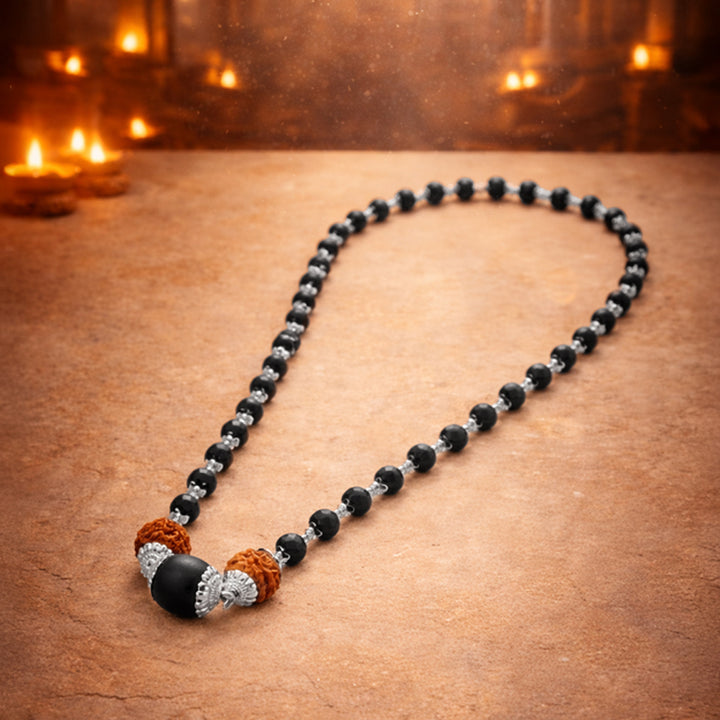
In the rich spiritual traditions of India, sacred malas have long been used for prayer, meditation, mantra chanting, and mindful living. Among these, the Karungali Mala, also known as Karungali Malai, has a distinctive place, particularly in South Indian traditions. Made from dark, dense ebony wood, Karungali beads are traditionally valued for their grounding symbolism, devotional significance, and association with spiritual protection.
Today, Karungali Mala is not only used as a traditional japa mala but is also worn as a spiritual accessory by people who wish to keep a meaningful reminder of faith, discipline, positivity, and inner balance close to them.
What Is Karungali Mala?
Karungali Mala is a string of beads traditionally made from Karungali, commonly associated with ebony wood. The beads have a naturally deep, dark appearance and are known for their distinctive texture and durability. In South Indian spiritual traditions, Karungali is regarded as an auspicious material and is used in various devotional and spiritual items.
The word Mala refers to a sacred string of beads used for prayer, meditation, and mantra repetition. Depending on the design and tradition, malas may feature different bead counts, including 108 beads or other configurations. The number 108 is particularly significant in many Indian spiritual practices and is commonly associated with japa and meditation.
Karungali Mala combines the traditional purpose of a mala with the symbolic qualities associated with ebony wood. For many devotees and spiritual practitioners, wearing or using one can serve as a personal reminder to remain grounded, focused, and connected with their spiritual path.
Spiritual Significance of Karungali Mala
Karungali Mala carries deep spiritual symbolism in several South Indian traditions. It is often associated with qualities such as strength, grounding, protection, devotion, and stability.
Traditional beliefs hold that Karungali can help create an environment that feels spiritually protective and balanced. Many devotees wear Karungali beads as a symbolic shield against negativity, the evil eye, and unwanted influences. These are traditional spiritual beliefs rather than scientifically established effects, but they remain meaningful to people who incorporate the mala into their devotional practices.
Karungali is also associated in different traditions with deities including Lord Shiva and Lord Murugan. Because spiritual customs can vary by region, family, and lineage, the exact religious association may differ from one practitioner to another. What remains common is the idea of Karungali as a sacred and grounding material.
Karungali Mala and Meditation
One of the most meaningful ways to use a Karungali Mala is during meditation and mantra chanting.
A mala provides a physical point of focus. As you move from one bead to another while repeating a mantra, the repetitive movement can help establish rhythm and encourage mindful attention. This traditional practice may make it easier to maintain concentration during prayer or meditation.
Karungali's natural appearance also complements a simple, mindful spiritual routine. Instead of treating the mala merely as jewellery, many practitioners use it as a reminder to pause, breathe, pray, and reconnect with their intentions.
Whether you practice meditation for a few minutes each morning or follow a regular mantra-japa routine, a Karungali Mala can become a personal part of that practice.
Traditional Benefits of Karungali Mala
Karungali Mala is traditionally valued for several spiritual and symbolic benefits.
1. Symbol of Spiritual Protection
Protection is one of the most commonly associated meanings of Karungali. Traditional practitioners believe that the dark ebony beads can help protect the wearer from negative energies and the evil eye.
For devotees, wearing the mala can therefore provide a sense of spiritual reassurance and remind them to remain connected to their faith.
2. Grounding and Stability
Karungali is often described in spiritual traditions as a grounding material. Its dark, earthy appearance naturally lends itself to symbolism around stability, strength, and connection with the earth.
People who experience busy routines and constant distractions may appreciate having a simple spiritual object that reminds them to slow down and stay centred.
3. Support for Meditation
Mala beads have traditionally been used to count repetitions during mantra japa. Karungali Mala can therefore become a useful companion for meditation, prayer, and other contemplative practices.
The physical act of moving through the beads encourages attention and consistency, helping turn meditation into a regular habit.
4. Reminder of Faith and Devotion
A spiritual mala can also have personal significance beyond its traditional symbolism. Wearing it throughout the day can serve as a reminder of one's prayers, values, spiritual goals, or connection with a chosen deity.
For many people, this symbolic reminder is one of the most meaningful aspects of spiritual jewellery.
5. Encourages Mindful Living
Modern life can be fast-paced and distracting. A Karungali Mala can serve as a tangible reminder to cultivate patience, awareness, discipline, and calmness.
Rather than viewing the mala as a magical object, it can be approached as a meaningful spiritual tool that supports a person's own practices and intentions.
Karungali Mala for Daily Wear
Karungali Mala can be worn as part of everyday spiritual attire. Its simple black appearance makes it easy to pair with both traditional and contemporary clothing.
The Divine Tales offers a range of Karungali products, including Karungali malas, bracelets, Karungali and Rudraksha combinations, and devotional designs featuring elements such as Trishul and deity motifs.
For someone new to Karungali, choosing a simple design can be a good way to begin. Those who already follow a particular devotional tradition may prefer a mala that incorporates a meaningful symbol or additional sacred bead.
How to Wear Karungali Mala
There is no single universal rule for wearing Karungali Mala because customs differ across traditions and families. However, many people choose to wear it around the neck as a devotional accessory.
If you are using the mala specifically for mantra japa, it can be held respectfully during prayer or meditation. The important principle is to treat the mala as a sacred or meaningful spiritual item according to your own tradition.
Before wearing a new mala, some devotees choose to perform a simple purification or prayer ritual. This may involve placing the mala before a deity, lighting a diya, offering flowers, or chanting a preferred mantra.
The ritual does not need to be complicated. Sincere intention and respect are often considered more important than elaborate procedures.
How to Take Care of Your Karungali Mala
Because Karungali Mala is made from wood, it deserves appropriate care.
Keep the mala away from prolonged exposure to water, excessive moisture, perfumes, and harsh chemicals. When not wearing it, store it in a clean and dry place. Avoid dropping or pulling the beads unnecessarily, as the thread and fittings can eventually become worn.
You can gently wipe the beads with a soft, dry cloth when necessary. Avoid soaking wooden beads or using strong cleaning products.
With thoughtful care, a good-quality wooden mala can remain a beautiful and meaningful part of your spiritual routine for a long time.
Karungali Mala and Rudraksha: Can They Be Worn Together?
Karungali and Rudraksha are both popular in Indian spiritual traditions, and malas combining the two are available. The Divine Tales collection, for example, includes Karungali and Rudraksha malas as well as combination designs.
The two materials carry different traditional symbolism. Rudraksha is widely associated with Lord Shiva and devotional practices, while Karungali is valued in South Indian traditions for its grounding and protective symbolism.
Wearing them together is ultimately a matter of personal faith and tradition. If your family, guru, or spiritual lineage follows particular rules regarding sacred malas, those customs should take priority.
How to Choose a Karungali Mala
When selecting a Karungali Mala, consider more than appearance. Look for a design that feels authentic to your spiritual practice and suitable for your intended use.
Consider the following:
-
Purpose: Decide whether you want the mala for meditation, prayer, daily wear, or spiritual symbolism.
-
Bead design: Choose a bead size and style that feels comfortable.
-
Construction: Check the quality of the stringing, knots, caps, and fittings.
-
Finish: Natural wood should have a distinctive appearance rather than looking like ordinary plastic beads.
-
Seller transparency: Choose a seller that clearly describes the material and product specifications.
-
Personal connection: A mala can be deeply personal, so select a design that resonates with your beliefs and devotional preferences.
Authenticity deserves particular attention because the popularity of Karungali has led to various products being marketed under the same name. Buyers should look for clear product information and purchase from a seller they trust.
Karungali Mala in Modern Spiritual Lifestyle
Spirituality today is often incorporated into everyday life in simple ways. People may meditate before work, practice yoga, chant mantras, maintain a prayer routine, or use spiritual jewellery as a reminder of their intentions.
Karungali Mala fits naturally into this lifestyle. Its traditional roots give it cultural and devotional significance, while its understated appearance makes it suitable for everyday use.
The most meaningful approach is to see the mala as a companion to spiritual practice, rather than as a replacement for prayer, meditation, ethical living, or personal effort.
A mala cannot guarantee wealth, health, success, or protection from every difficulty. However, it can hold personal spiritual meaning and encourage the wearer to approach life with greater awareness, faith, and discipline.
Frequently Asked Questions About Karungali Mala
Is Karungali Mala a religious mala?
Karungali Mala is traditionally used as a spiritual and devotional mala, particularly in South Indian traditions. Its significance can vary according to regional and family customs.
Can anyone wear Karungali Mala?
Many people choose to wear Karungali Mala as a spiritual accessory. However, specific rules may differ among religious traditions. If you follow a particular spiritual lineage, it is best to follow its guidance.
Can Karungali Mala be used for meditation?
Yes. Mala beads are traditionally used for mantra repetition and meditation. Karungali Mala can be used as a counting and focusing aid during a regular meditation practice.
Can I wear Karungali Mala every day?
Many people wear Karungali Mala daily. Since it is made from wood, care should be taken to protect it from excessive moisture, water, perfumes, and harsh chemicals.
Is Karungali Mala only for spiritual practitioners?
No. While it has strong spiritual and cultural significance, people may also wear it as a meaningful accessory or personal reminder of positivity, grounding, and devotion.
Final Thoughts
Karungali Mala represents a beautiful connection between traditional Indian spirituality and everyday mindful living. Crafted from dark ebony wood and valued in South Indian traditions, it is associated with protection, grounding, meditation, devotion, and inner stability.
For those who believe in its spiritual significance, the mala can become much more than a piece of jewellery. It can serve as a reminder to pause, pray, meditate, and remain connected with one's values.
Whether you are beginning your spiritual journey or looking for a meaningful addition to an established practice, a Karungali Mala can be a simple and timeless companion. Choose it thoughtfully, care for it respectfully, and let its deeper meaning come through your own daily practice.
Discover the Karungali Mala and Bracelet collection from The Divine Tales for traditional-inspired designs created for devotees, spiritual seekers, and anyone who appreciates the timeless beauty of sacred Indian jewellery.

 English
 Arabic
 French
 Spanish
 Portuguese
 Deutsch
 Turkish
 Dutch
Dutch
 Italiano
 Russian
 Romaian
 Portuguese (Brazil)