
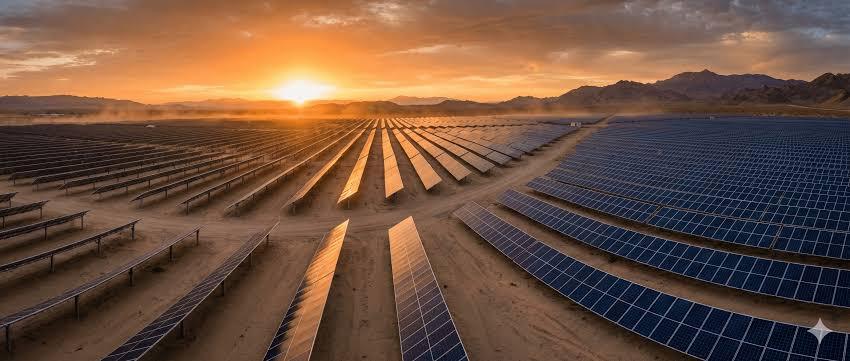
Solar energy has become an important part of Pakistan’s electricity landscape, with more homeowners and businesses installing rooftop solar systems to generate their own power. For grid-connected solar users, net metering in Pakistan has traditionally been an important way to receive financial value for surplus electricity exported to the grid.
However, Pakistan’s regulations and billing mechanisms have changed, so anyone considering a new solar installation should understand the current framework rather than relying on older net-metering information.
What Is Net Metering?
Net metering is a mechanism that allows eligible electricity consumers with renewable energy systems, such as solar panels, to send surplus electricity to the electricity grid.
For example, a solar system may generate more electricity than a home needs during sunny afternoon hours. Instead of wasting that excess generation, the system can export it to the grid through an approved bidirectional meter.
Historically, the electricity exported to the grid was credited against electricity consumed from the grid under Pakistan's net-metering framework.
The basic concept was:
Solar generation → Home/business consumption → Excess electricity → Grid export → Billing credit
This arrangement helped make rooftop solar more financially attractive for many Pakistani consumers.
How Solar Net Metering Worked
Under the traditional net-metering model, a consumer's solar system could generate electricity during the day.
If the property consumed 10 units while the solar system generated 15 units, the additional 5 units could be exported to the grid, subject to the applicable rules.
When electricity was needed from the grid, imported electricity was recorded separately.
A bidirectional meter was used to measure electricity flowing in both directions.
This allowed electricity bills to account for both:
- Electricity imported from the grid
- Electricity exported to the grid
The difference between these quantities could then influence the consumer's bill under the applicable net-metering rules.
Is Net Metering Still Available in Pakistan?
This is one of the most important questions for anyone considering solar in Pakistan.
Pakistan introduced the National Electric Power Regulatory Authority (NEPRA) (Prosumer) Regulations, 2026, which changed the framework governing consumers who generate electricity through distributed renewable energy systems.
Under the new framework, the traditional net-metering arrangement has been replaced by a net-billing mechanism for new prosumers.
This means new solar customers should not assume that excess electricity exported to the grid will receive the same credit that applied under the previous net-metering system.
The regulatory change makes it particularly important to obtain current information from an experienced solar provider before calculating the financial return of a new system.
What Is Net Billing?
Net billing is different from traditional net metering.
Under a net-billing arrangement, electricity consumed from the grid and electricity exported to the grid are valued separately according to the applicable rates and regulations.
This distinction can affect the economics of a solar installation.
For example, if electricity purchased from the grid costs more than the amount credited for electricity exported to the grid, maximizing self-consumption can become more financially important.
Instead of designing a system primarily around exporting excess power, homeowners and businesses may benefit from using more of their solar generation directly.
Why Self-Consumption Matters
The value of solar electricity can depend heavily on how it is used.
A solar system generates most of its electricity during daylight hours. If a property uses significant electricity during the same period, more solar generation can be consumed directly.
For example, a business operating:
- Air conditioners
- Computers
- Machinery
- Pumps
- Refrigeration equipment
during daylight hours may be able to consume a large portion of its solar electricity directly.
This can reduce the amount of electricity purchased from the grid.
For residential customers, battery storage can also potentially increase the use of solar electricity by storing excess daytime generation for later use.
How Net Metering Helped Solar Adoption
Traditional net metering played an important role in encouraging rooftop solar adoption in Pakistan.
Homeowners and businesses could install solar systems while remaining connected to the electricity grid. Surplus electricity generated during the day could be exported under the applicable framework.
Pakistan subsequently experienced rapid growth in distributed solar generation.
By June 2026, solar capacity under the previous net-metering framework had reportedly reached approximately 6,978 MW, compared with around 190 MW in FY2020.
The rapid growth of distributed solar has also contributed to changes in how electricity generated by prosumers is handled.
Who Can Benefit From a Grid-Connected Solar System?
Grid-connected solar can be useful for a wide range of consumers, including:
- Homeowners
- Villas
- Offices
- Shops
- Schools
- Hospitals
- Warehouses
- Factories
- Commercial buildings
- Agricultural facilities
However, the ideal system configuration depends on electricity consumption, available installation space, operating hours, and the customer's financial objectives.
A professional assessment should be completed before purchasing equipment.
Net Metering for Residential Solar
For homeowners, the economics of a grid-connected solar system depend on household electricity consumption and the proportion of solar energy that can be consumed directly.
A typical residential system may include:
- Solar panels
- Solar inverter
- Mounting structure
- Protection equipment
- Bidirectional meter
- Monitoring system
Customers considering a new installation should understand the current regulatory and billing framework before calculating expected savings.
DSG Energy provides solar solutions for residential customers and offers customized on-grid systems based on household energy requirements.
Net Metering for Commercial and Industrial Users
Commercial and industrial customers can have significant electricity consumption during daylight hours, which can make self-consumption particularly important.
Factories, offices, warehouses, hospitals, and other facilities may be able to use a substantial amount of solar electricity directly during operating hours.
A commercial or industrial solar feasibility study should consider:
- Historical electricity consumption
- Load profile
- Daytime demand
- Peak demand
- Solar generation potential
- Available roof or land area
- Electrical infrastructure
- Current regulatory requirements
Large solar projects require professional engineering because the system must be integrated safely with the facility's existing electrical infrastructure.
What Is a Bidirectional Meter?
A bidirectional meter measures electricity flowing in both directions.
It can record:
Grid → Property
and
Property → Grid
This makes it possible to measure how much electricity a solar customer imports from and exports to the electricity grid.
The exact metering and billing requirements depend on the applicable regulatory framework and electricity distribution company.
Net Metering Application Process
Under Pakistan's previous net-metering framework, consumers generally needed to apply through their relevant distribution company and meet technical requirements before receiving approval.
The process could involve:
- Selecting an eligible solar system
- Installing the system through an approved process
- Preparing required documentation
- Submitting the interconnection application
- Technical review
- Approval
- Meter installation or replacement
- Grid synchronization
Because the regulatory framework has changed, customers should confirm the current application and interconnection process with their distribution company or qualified solar provider.
Do not rely on an old checklist or outdated application procedure.
Important Factors Before Installing Solar
Anyone considering grid-connected solar should evaluate several factors before investing.
Electricity Consumption
Review at least 12 months of electricity bills to understand consumption patterns.
Daytime Usage
Determine how much electricity is consumed while the solar panels are generating electricity.
Roof Space
Assess whether the property has sufficient unshaded space for the required number of panels.
System Capacity
The system should be sized according to actual electricity requirements and current regulations.
Battery Storage
Consider whether battery storage could improve self-consumption or provide backup power.
Current Regulations
Always use the latest applicable rules when calculating savings and payback.
Why Choose a Professional Solar Company?
The regulatory environment surrounding distributed solar can be complicated, especially when changes are introduced.
A professional solar company can help customers understand:
- System sizing
- Solar generation estimates
- Self-consumption
- Grid connection requirements
- Metering
- Current billing arrangements
- Equipment selection
- Installation
- Monitoring
- Maintenance
DSG Energy provides turnkey solar solutions and states that it assists customers with system design, installation, monitoring, and related technical services.
Working with an experienced provider can make the transition to solar easier and reduce the risk of making decisions based on outdated information.
How to Maximize Solar Savings Under the New Framework
Because new regulations have changed the economics of exporting solar electricity, consumers should consider strategies that increase direct solar consumption.
For example:
Run High-Consumption Appliances During the Day
Where practical, use appliances and equipment such as washing machines, water pumps, air conditioners, and other high-load devices while solar generation is available.
Use Energy Management Systems
Smart energy management can help businesses and homeowners match electricity consumption with solar production.
Consider Battery Storage
Batteries can store excess solar electricity for use later, although their financial value depends on battery costs, electricity tariffs, usage patterns, and system design.
Size the System Carefully
Oversizing a solar system purely to maximize grid exports may not produce the same financial benefits under a net-billing structure as it did under traditional net metering.
A professional feasibility assessment is therefore increasingly important.
Net Metering vs. Net Billing
| Feature | Traditional Net Metering | Net Billing |
|---|---|---|
| Solar generation | Used by consumer | Used by consumer |
| Excess generation | Exported to grid | Exported to grid |
| Import valuation | Based on applicable tariff | Based on applicable tariff |
| Export treatment | Credited under previous framework | Valued separately under new framework |
| Importance of self-consumption | Important | Potentially more important |
| Current relevance for new systems | Previous framework | Current regulatory framework |
The exact rates, eligibility conditions, and contractual requirements should always be verified under the latest regulations.
Final Thoughts
Understanding net metering in Pakistan is essential for anyone considering a grid-connected solar system. While traditional net metering helped accelerate rooftop solar adoption, Pakistan's regulatory framework has changed with the introduction of the 2026 Prosumer Regulations and the move toward net billing for new arrangements.
This means homeowners and businesses should no longer calculate solar savings using outdated net-metering assumptions.
Instead, customers should evaluate their electricity consumption, daytime usage, self-consumption potential, battery requirements, system size, and current electricity regulations before investing.
DSG Energy provides solar solutions for residential, commercial, industrial, and agricultural customers and can help evaluate the technical requirements of a grid-connected solar project.
With accurate calculations, professional system design, and a clear understanding of the current regulatory framework, Pakistani consumers can make better-informed decisions about solar power and maximize the value of their renewable energy investment.

 English
 Arabic
 French
 Spanish
 Portuguese
 Turkish
 Dutch
Dutch
 Italiano
 Russian
 Romaian
 Portuguese (Brazil)
 Greek
Greek