
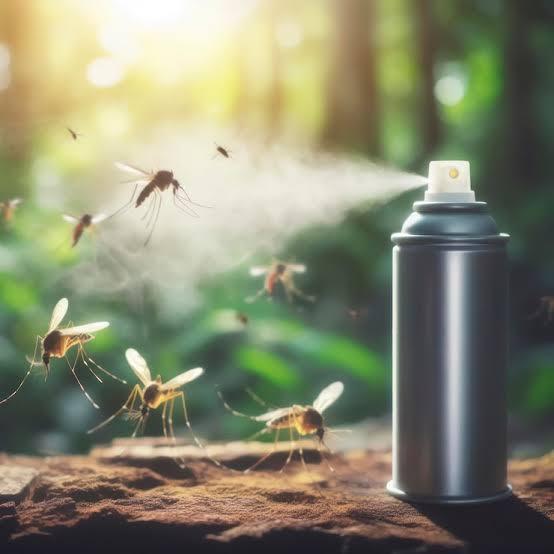
Mosquitoes are a common household problem across Pakistan. They can become especially active during warm and humid weather. Standing water, poor drainage, uncovered containers, and dense vegetation can create suitable breeding conditions.
Choosing the best mosquito killer spray in Pakistan requires more than looking for a product that kills mosquitoes quickly. Users should consider the active ingredient, intended use, application method, safety instructions, and the type of mosquito problem they face.
This guide explains how mosquito sprays work, what to consider before using one, and how to combine spraying with practical mosquito prevention methods.
Why Mosquito Control Matters in Pakistan
Mosquitoes are more than a nuisance. Some species can transmit diseases when they bite infected people and then spread pathogens through subsequent bites.
Mosquito activity can vary by season and location. Warm conditions can support mosquito breeding, while rainfall may create additional breeding sites.
Areas across Pakistan, including Lahore, Karachi, Islamabad, Rawalpindi, Faisalabad, Multan, Peshawar, and other urban and rural areas, can experience mosquito problems.
Effective mosquito control usually involves two approaches:
- Killing adult mosquitoes.
- Removing or treating mosquito breeding sites.
Spray can help control adult mosquitoes, but it does not solve every source of infestation.
How Mosquito Killer Sprays Work
Most household mosquito killer sprays use insecticidal ingredients that affect the mosquito's nervous system. Many commonly used household formulations belong to the pyrethroid family.
Common Types of Mosquito Sprays
Consumers may encounter several types of mosquito-control products.
Aerosol sprays: These are designed for targeted indoor application. Users normally spray according to the label and allow the treated area to ventilate before re-entry.
Surface sprays: These products are intended for specific surfaces or areas. Their instructions can differ from those of aerosol products.
Outdoor insect-control sprays: These may be designed for outdoor spaces such as gardens, patios, or other areas. Outdoor products should not automatically be used indoors.
The label is important because concentration, application method, permitted surfaces, and safety precautions can vary significantly.
How to Choose the Best Mosquito Killer Spray in Pakistan
There is no single mosquito spray that is best for every situation. The right choice depends on where mosquitoes are present and how frequently they appear.
Consider these factors before buying or using a mosquito killer spray:
- Active ingredient: Check the product label for the insecticidal ingredient.
- Intended application: Confirm whether the spray is designed for indoor or outdoor use.
- Target insects: Make sure mosquitoes are included on the label.
- Application instructions: Follow the recommended quantity and method.
- Safety precautions: Check instructions involving children, pets, food, ventilation, and surfaces.
- Resistance concerns: Repeated use of the same insecticide may become less effective in some situations.
- Environmental conditions: Outdoor spraying can be affected by rain, wind, and temperature.
A strong-smelling spray is not necessarily more effective. Effectiveness depends on the formulation, correct application, mosquito species, exposure, and environmental conditions.
Safe Use of Mosquito Killer Spray
Correct application is essential. Insecticides can be useful when handled properly, but careless application can create unnecessary exposure.
Before Spraying
Take basic precautions:
- Read the entire product label.
- Remove or cover exposed food and drinking water.
- Keep children and pets away from the treatment area.
- Close or protect items that should not come into contact with the spray.
- Follow any ventilation requirements.
- Never mix different insecticides unless the label specifically permits it.
After Spraying
Follow the product's re-entry and ventilation instructions. Do not assume that an area is safe immediately after spraying.
Wash hands after handling insecticide products. Store sprays in their original containers and keep them away from heat, flames, and unauthorized access.
Never use more spray than recommended. Increasing the amount does not necessarily improve mosquito control and can increase exposure.
Indoor Mosquito Control
Indoor mosquito control requires attention to both adult mosquitoes and entry points.
Useful measures include:
- Repairing damaged window screens.
- Using properly fitted doors and screens.
- Removing standing water from indoor areas.
- Keeping water-storage containers covered.
- Using mosquito nets where appropriate.
- Reducing unnecessary openings that allow mosquitoes to enter.
- Applying insecticide only according to its label.
Fans can also make it harder for mosquitoes to fly and land because mosquitoes are relatively weak fliers. However, fans should complement rather than replace other control measures.
Outdoor Mosquito Control
Outdoor mosquito management is particularly important after rainfall.
Remove Breeding Sites
Mosquitoes can breed in small amounts of stagnant water. Regularly inspect areas such as:
- Buckets and containers
- Plant trays
- Discarded tires
- Roof gutters
- Drainage areas
- Uncovered water tanks
- Construction materials that collect rainwater
Empty, clean, cover, or otherwise manage water-holding containers where practical.
Maintain the Surrounding Area
Keep gardens and outdoor spaces maintained. Remove unnecessary containers and improve drainage where possible.
For larger properties, professional pest-control services may be appropriate when mosquito activity remains persistent despite basic prevention.
Mosquito Control During Different Seasons
Mosquito activity can change throughout the year.
During and after the monsoon season, rainfall can create numerous temporary breeding sites. Residents should check their surroundings regularly for standing water.
In hot weather, mosquitoes can remain active around homes and other buildings. Using screens, nets, and appropriate insect-control methods can help reduce exposure.
Local conditions also matter. A mosquito-control strategy suitable for a humid coastal environment may differ from one used in a dry inland area.
Common Mistakes to Avoid
Some mosquito-control practices can reduce effectiveness or increase unnecessary exposure.
Avoid these mistakes:
- Spraying without reading the label.
- Using an indoor product outdoors or vice versa.
- Applying excessive amounts.
- Spraying directly onto people.
- Spraying food, utensils, or drinking water.
- Ignoring standing water.
- Repeatedly using insecticides without addressing the source.
- Combining different insecticide products.
- Assuming a strong odor means better performance.
The most effective approach combines responsible insecticide use with environmental management.
Chemical and Non-Chemical Mosquito Control
Mosquito sprays are only one part of an integrated mosquito-control strategy.
Non-chemical methods can include:
- Mosquito nets
- Window and door screens
- Long clothing
- Fans
- Covered water containers
- Regular removal of stagnant water
- Improved drainage
- Environmental cleaning
These methods can reduce mosquito exposure without relying entirely on insecticides.
For persistent infestations, an integrated pest management approach can be more effective than relying on repeated spraying alone.
When to Consider Professional Mosquito Control
Home measures may not always solve a persistent mosquito problem. Consider professional assessment when mosquitoes remain abundant despite regular source reduction.
Professional services can inspect the property, identify breeding areas, and recommend suitable control measures.
This can be particularly useful for:
- Large residential properties
- Commercial buildings
- Schools and institutions
- Construction sites
- Gardens and outdoor areas
- Properties with recurring standing-water problems
Always verify that pest-control operators follow applicable safety requirements and use products according to their labels.
Frequently Asked Questions About Mosquito Killer Spray in Pakistan
The following FAQs provide quick answers about selecting and using mosquito killer sprays. They cover effectiveness, safety, indoor use, and prevention so readers can make more informed decisions.
What is the best mosquito killer spray in Pakistan?
The best option depends on the intended use, active ingredient, mosquito problem, and application area. Choose a product specifically labeled for mosquitoes and follow its instructions carefully.
Is mosquito killer spray safe to use indoors?
Some products are designed for indoor use, while others are intended only for outdoor applications. Always check the label, follow ventilation instructions, and keep people and pets away as directed.
Does mosquito spray kill mosquito eggs?
Most adult mosquito sprays primarily target adult mosquitoes. They generally do not eliminate every breeding site or mosquito life stage, so standing water should also be removed or managed.
How can I prevent mosquitoes after spraying?
Remove standing water, cover water containers, maintain screens, improve drainage, and reduce mosquito entry points. Prevention is important because spraying alone may not stop new mosquitoes from appearing.
Is professional mosquito control necessary?
Professional treatment may be useful when mosquito activity remains high despite household prevention measures. Professionals can identify breeding sites and recommend an appropriate control strategy.
Conclusion
The best mosquito killer spray in Pakistan is not simply the strongest-smelling or fastest-acting option. Consumers should select products according to their intended application, follow label instructions, and combine insecticide use with mosquito prevention.
Across Pakistan, effective mosquito management depends on local conditions, seasonal changes, standing-water control, and responsible use of insecticides. A balanced approach can reduce mosquito activity while limiting unnecessary chemical exposure.

 Arabic
 French
 Spanish
 Portuguese
 Deutsch
 Turkish
 Dutch
Dutch
 Italiano
 Russian
 Romaian
 Portuguese (Brazil)
 Greek
Greek