
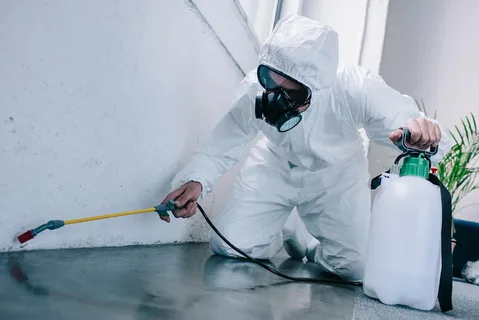
Termites are small insects, but they can create major problems for property owners. They often attack wood, paper, cardboard, and other materials that contain cellulose. Since termites usually live and feed in hidden areas, an infestation may continue for months before visible signs appear.
A professional termite control service helps detect termite activity, identify affected areas, control the infestation, and reduce the chances of future attacks. This is important for houses, apartments, offices, shops, schools, warehouses, and commercial buildings across Pakistan.
Pakistan has different weather conditions across its regions. However, moisture, untreated wood, soil contact, and poor maintenance can increase the risk of termites in many locations. Understanding how termite control works can help property owners take action at the right time.
Understanding the Importance of Termite Control Service
Termites can cause gradual damage to wooden structures and household items. They may affect doors, windows, cabinets, furniture, wooden flooring, and other parts of a property.
The main problem is that termite damage is often not immediately visible. Termites may consume the inside of wood while leaving a thin outer layer untouched. As a result, a wooden object can look normal but become weak internally.
A proper termite control service in Pakistan generally focuses on three key areas:
- Detecting termite activity
- Treating active infestations
- Preventing future termite problems
Early action can help property owners identify the issue before damage becomes more widespread.
What Causes Termite Infestations?
Termites need suitable conditions to survive and find food. Several factors can attract or support termite activity around a property.
Moisture Problems
Leaking pipes, damaged drainage systems, damp walls, and standing water can create favorable conditions for termites. Moisture management is therefore an important part of termite prevention.
Wood in Contact With Soil
When wooden materials directly touch soil, termites may gain easier access to a food source. Firewood, timber, wooden structures, and construction waste should be managed carefully.
Cracks and Gaps in Buildings
Small cracks around foundations, walls, floors, and utility openings may provide access routes. Sealing and maintaining vulnerable areas can help reduce risk.
Untreated Wooden Materials
Wooden doors, frames, furniture, and structural materials may become vulnerable depending on their condition and environment.
Poor Property Maintenance
Ignored leaks, dampness, damaged wood, and cluttered storage areas can increase the possibility of pest-related problems.
Common Signs You Need a Termite Control Service
Knowing the warning signs can help you respond earlier. Some common signs of termite activity include the following.
Mud Tubes on Walls or Foundations
Subterranean termites may create narrow mud tubes. These tubes help protect them while they travel between the soil and a food source.
You may find them near:
- Foundations
- Exterior walls
- Internal walls
- Pipes
- Crawl spaces
- Other hidden structural areas
Hollow-Sounding Wood
Wood damaged by termites may sound hollow when tapped. This can happen because termites consume internal sections of the wood.
Damaged Doors and Window Frames
Doors and windows may become difficult to operate when wood is affected by moisture or insect damage. A proper inspection can determine the possible cause.
Discarded Wings
Winged termites may leave their wings behind after swarming. Finding several similar wings near windows, lights, or entry points can indicate termite activity.
Damage to Furniture
Wooden cupboards, beds, tables, shelves, and other furniture may develop weak areas or visible damage. Not every type of wood damage comes from termites, so inspection is important for correct identification.
How Does a Professional Termite Control Process Work?
An effective termite treatment service usually follows a structured process. The exact steps can vary depending on the building and infestation.
1. Detailed Property Inspection
The first step is to inspect the property. The inspection may focus on places where termites commonly feed, enter, or hide.
Important areas may include:
- Foundations
- Wooden doors and frames
- Furniture
- Kitchens
- Bathrooms
- Storage rooms
- Damp areas
- Exterior walls
- Areas around plumbing
The goal is to identify signs of activity and possible risk factors.
2. Assessment of the Infestation
After inspection, the level and location of termite activity should be assessed. The service process may consider:
- The affected areas
- The possible termite entry points
- The type of construction
- Moisture conditions
- Accessible treatment zones
- The extent of visible damage
This assessment helps determine an appropriate termite control treatment.
3. Selection of a Treatment Method
Different situations may require different approaches. The treatment plan should match the property and the infestation.
Common approaches can include soil-based treatment, targeted treatment of specific areas, and preventive termite management methods.
4. Treatment Application
Treatment should follow relevant product instructions and safety procedures. Property occupants should receive clear information about preparation and any necessary precautions.
5. Follow-Up and Monitoring
Monitoring can play an important role after treatment. Property conditions may change, and new termite activity can occur if favorable conditions remain.
Regular checks can help identify possible issues early.
Main Types of Termite Control Treatments
There is no single solution that works the same way for every property. A termite treatment method depends on the type of property and the nature of the infestation.
Pre-Construction Termite Treatment
Pre-construction termite treatment is carried out during the building process. It focuses on reducing the chances of termite entry once construction is complete.
It may be considered during stages such as:
- Preparing the building site
- Working on the foundation
- Treating relevant soil areas
- Completing floors and structural sections
Planning termite prevention early can be useful because some areas are easier to access before the building is finished.
Post-Construction Termite Treatment
Post-construction termite treatment applies to existing buildings. The treatment approach depends on the structure and the location of termite activity.
Older homes and buildings may require careful inspection because termites can remain hidden behind walls, floors, or wooden fixtures.
Localized Termite Treatment
Some termite problems affect specific areas rather than an entire property. In these cases, targeted treatment may be considered after identifying the source and extent of activity.
Termite Control for Homes and Commercial Properties
Different properties face different risks. A termite management plan should consider how the building is used and what materials are present.
Homes and Apartments
Residential properties should pay attention to:
- Wooden furniture
- Door frames
- Kitchen cabinets
- Bathroom areas
- Damp walls
- Storage spaces
Regular maintenance and moisture control can help reduce risk.
Offices and Shops
Commercial spaces may contain wooden partitions, furniture, documents, and storage materials. Businesses can benefit from periodic inspections to identify potential pest issues.
Warehouses
Warehouses may store large amounts of cardboard, paper, packaging, or wood. Good storage practices and regular inspections can support effective pest management.
Construction Projects
New construction projects can include anti-termite treatment as part of a broader building protection plan. Early planning allows termite prevention measures to be considered before the structure becomes difficult to access.
How to Reduce the Risk of Termites
Property owners can take several practical steps to support long-term termite prevention.
Control Moisture
Repair water leaks as soon as possible. Check plumbing, drainage, bathrooms, kitchens, and areas where water collects.
Keep Wood Away From Soil
Avoid direct contact between soil and stored wood whenever possible. Store firewood, timber, and similar materials in suitable dry locations.
Remove Unnecessary Wood and Cardboard
Do not allow large amounts of unused cardboard, paper, or wood waste to remain close to buildings for long periods.
Maintain the Building
Check for cracks, damaged wooden areas, water leaks, and drainage problems. Regular maintenance can reduce conditions that support termites.
Arrange Periodic Termite Inspections
A professional termite inspection can help identify hidden signs that may not be obvious to a property owner.
Choosing the Right Termite Control Service
When looking for a termite control service, property owners should focus on the inspection process and treatment plan.
Before selecting a service, consider asking:
- Does the process begin with a proper inspection?
- Which areas show signs of termite activity?
- What treatment method is being recommended?
- Why is that method suitable for the property?
- What preparation is required before treatment?
- What safety precautions should be followed?
- Are follow-up inspections recommended?
- What preventive steps should be taken afterward?
Clear communication helps property owners understand what is happening and why a particular treatment approach is being used.
Why Termite Prevention Is Better Than Ignoring the Problem
Ignoring early signs may allow termite activity to continue. Since termites often remain hidden, visible damage may represent only part of the problem.
Preventive termite management can help by:
- Identifying risk factors early
- Detecting activity before major damage occurs
- Improving moisture control
- Protecting wooden materials
- Supporting long-term property maintenance
For homes and businesses throughout Pakistan, termite prevention should be viewed as part of regular property care.
Termite Control Service Across Pakistan
Termite problems can affect properties in major cities and smaller towns. Areas such as Lahore, Karachi, Islamabad, Rawalpindi, Faisalabad, Multan, Peshawar, Gujranwala, Sialkot, and other parts of Pakistan have different climates and building styles.
However, the basic principles of termite management remain similar. Property owners should inspect for signs of activity, control moisture, maintain buildings, and seek professional assessment when termite evidence appears.
Local environmental conditions and property construction can influence the most suitable approach. Therefore, termite treatment should be based on the specific property rather than assumptions.
Frequently Asked Questions About Termite Control Service
The following FAQs answer common questions about termite inspections, treatments, and prevention. They provide quick and direct information for property owners who want to understand termite control services and protect their buildings.
What is a termite control service?
A termite control service involves inspecting a property, identifying termite activity, applying an appropriate treatment method, and recommending steps to reduce future infestations.
How can I tell if termites are present in my home?
Common signs include mud tubes, hollow-sounding wood, damaged furniture or frames, discarded wings, and unexplained weakening of wooden materials.
Is termite treatment needed for new buildings?
Pre-construction termite treatment can help reduce the risk of future termite problems. It is commonly considered as part of preventive building maintenance and construction planning.
Can termites come back after treatment?
Yes. New termite activity can develop if termites find access to the property. Regular inspections, moisture control, and preventive maintenance can help reduce the risk.
How often should I inspect my property for termites?
The ideal frequency depends on factors such as property condition, moisture levels, construction type, and previous termite activity. Periodic inspections are useful for early detection.
Conclusion
A termite control service is an important part of protecting residential and commercial properties from hidden termite damage. The process should begin with proper inspection, followed by suitable treatment and practical prevention measures.
By controlling moisture, maintaining wooden structures, checking vulnerable areas, and acting quickly when warning signs appear, property owners across Pakistan can reduce the risk of serious termite infestations

 English
 Arabic
 French
 Spanish
 Portuguese
 Turkish
 Dutch
Dutch
 Italiano
 Russian
 Romaian
 Portuguese (Brazil)
 Greek
Greek