
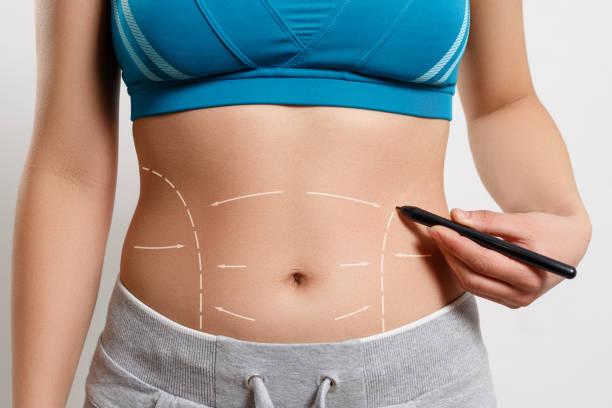
Exercise is an important part of a healthy lifestyle, but returning to physical activity too soon after surgery can interfere with the body's healing process. Liposuction involves surgical treatment of the tissues beneath the skin, so the body needs adequate time to recover before strenuous workouts are resumed. Understanding when and how to exercise after liposuction can help patients support recovery while gradually returning to their normal fitness routine.
The appropriate exercise timeline varies from person to person. Factors such as the number of areas treated, the extent of liposuction, individual healing, and whether other procedures were performed can influence when different activities can safely be resumed. Patients should always follow their surgeon's personalized postoperative instructions rather than relying on a fixed timeline.
Why Is Rest Important After Liposuction?
After liposuction, the body needs time to repair tissues, manage inflammation, and recover from surgery. Swelling, bruising, tenderness, and temporary changes in sensation are common during the early recovery period.
Avoiding Excessive Strain
Strenuous exercise can place stress on healing tissues and may increase discomfort or swelling. Activities involving heavy lifting, intense abdominal movements, or significant pressure on treated areas may need to be avoided during the initial recovery period.
Supporting Proper Healing
Allowing the body to recover does not mean remaining completely inactive. Appropriate gentle movement may support general mobility while avoiding unnecessary strain. Your surgeon can advise you about suitable activity levels during each stage of recovery.
When Can You Start Walking?
Walking is often one of the first forms of movement introduced after liposuction. Gentle walking can help patients stay mobile while avoiding the intensity associated with conventional workouts.
Start Gradually
Patients are generally encouraged to begin with short, comfortable periods of walking and gradually increase activity according to their surgeon's instructions. The goal is to remain mobile without causing excessive discomfort or fatigue.
Listen to Your Body
Increased pain, significant swelling, dizziness, or unusual symptoms are reasons to stop activity and contact the medical team when appropriate. Recovery should progress gradually rather than being rushed.
When Can You Resume Light Exercise?
Light exercise may be reintroduced after the initial healing period, depending on the individual procedure and the surgeon's assessment.
Low-Impact Activities
Gentle activities may include easy walking or other low-impact movement that does not place excessive strain on treated areas. The exact timing should be determined by the treating surgeon.
Gradual Progression
Returning to exercise should be a step-by-step process. Starting at a lower intensity and gradually increasing duration and effort allows patients to monitor how their bodies respond.
When Can You Return to Intense Workouts?
High-intensity exercise typically requires more recovery time than gentle movement. Running, heavy strength training, intense cycling, and demanding fitness classes can place greater stress on the body.
Strength Training
Heavy lifting may need to be postponed until the tissues have healed sufficiently. Exercises that directly engage recently treated areas should only be resumed when cleared by the surgeon.
Cardio Workouts
High-impact cardio can increase movement and pressure around healing tissues. Patients should gradually transition from gentle activity to more demanding cardiovascular exercise as recovery progresses.
Can Exercise Affect Liposuction Results?
Exercise itself does not usually harm properly healed liposuction results, and maintaining an active lifestyle can support overall health and weight stability. However, exercising too aggressively during the early recovery period may increase swelling and discomfort.
Liposuction in Riyadh is designed to improve body contours by removing localized fat deposits. Maintaining a stable weight after recovery can help support the appearance of the treated areas over time.
What Factors Affect the Exercise Timeline?
There is no single exercise schedule that applies to every liposuction patient. Several factors can influence how quickly someone can return to normal workouts.
Treatment Area
The location of liposuction can affect which movements are comfortable during recovery. For example, exercises involving the abdomen, thighs, arms, or back may need different considerations depending on the treated areas.
Extent of Treatment
Patients who undergo liposuction across multiple areas may require a different recovery approach than those who have a smaller treatment area.
Individual Healing
Healing rates vary between individuals. Your surgeon may adjust activity recommendations according to swelling, discomfort, incision healing, and overall recovery progress.
What Should You Avoid During Early Recovery?
During the initial healing period, patients should avoid activities that have not been approved by their surgeon. Heavy lifting, high-impact exercise, intense stretching, and strenuous workouts may place unnecessary stress on healing tissues.
Patients should also avoid pushing through significant pain simply to return to their previous fitness routine. A gradual return is generally more appropriate than attempting to resume full-intensity workouts immediately.
How Can You Safely Return to Your Fitness Routine?
The safest approach is to follow your surgeon's specific recommendations and increase activity gradually. Begin with approved low-impact movement, monitor your body's response, and only progress when healing is going well.
Regular follow-up appointments can also help determine whether you are ready to increase exercise intensity. If swelling, pain, or other symptoms become worse after activity, discuss the situation with your medical team.
When Should You Contact Your Surgeon?
Patients should contact their healthcare provider if they experience symptoms that are unusual, severe, or worsening during recovery. Significant pain, increasing swelling, fever, unusual drainage, breathing difficulties, chest pain, or other concerning symptoms require prompt medical attention.
It is always better to ask your surgeon when you are uncertain about a particular exercise rather than assuming it is safe based on a general recovery timeline.
Book an Appointment at Royal Clinic Saudia
If you are considering body contouring and want personalized guidance about recovery and returning to exercise, a professional consultation can help you understand what to expect. Liposuction in Riyadh should be planned according to your individual treatment needs, health, and recovery goals. Contact Royal Clinic Saudia to book an appointment and discuss your options with a qualified medical team.

 English
 Arabic
 French
 Spanish
 Portuguese
 Deutsch
 Turkish
 Italiano
 Russian
 Romaian
 Portuguese (Brazil)
 Greek
Greek