
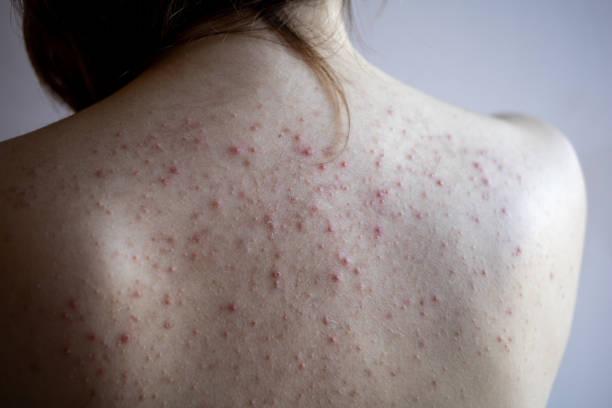
You cleanse diligently, treat consistently, and still find breakouts clustering along your back and shoulders. Before blaming your skincare, consider what rinses over your back every time you shower. How to Treat Back Acne (كيفية علاج حب الشباب في الظهر) Conditioner, shampoo, body lotion, sunscreen, and styling products all travel downward, leaving residue that clogs follicles. Many people never suspect these products because they are not applied directly to the back. Understanding How to Treat Back Acne caused by hair and body products means identifying a trigger that most routines overlook entirely.
Why Hair and Body Products Cause Back Acne
Downward Rinsing
During showering, shampoo, conditioner, and body wash rinse downward across the back. Residue settles into follicles and clogs them.
Occlusive Ingredients
Many conditioners and lotions contain oils, silicones, and butters that are comedogenic. When they contact the back, they trap debris and bacteria inside pores.
Fragrance and Irritants
Fragrance, essential oils, and preservatives in hair and body products frequently cause irritation that mimics or worsens acne.
Heavy Body Lotions
Rich moisturisers, body butters, and tanning products applied to the shoulders and back can congest follicles, particularly in humid conditions.
Sunscreen Residue
Heavy or fragranced sunscreens left on for hours after sun exposure can clog pores and trigger breakouts.
Why This Trigger Is Overlooked
People rarely connect breakouts to products they do not apply directly to the affected area. This makes hair and body products one of the most commonly missed causes.
Signs Your Products Are the Trigger
Breakouts Along the Spine and Shoulders
Residue flows downward, so breakouts often follow a pattern from the upper back downward.
Worsening After Showering
If skin looks worse shortly after washing, product residue is a likely contributor.
Reaction to New Products
Breakouts that begin after switching conditioner, lotion, or sunscreen point toward those products.
Itching or Redness Without Deep Lesions
Irritation without the deep, painful nodules of hormonal acne suggests a contact reaction rather than classic acne.
Improvement When Traveling
If skin clears when using different products away from home, your usual routine is the likely culprit.
Why Pattern Recognition Matters
Identifying the trigger allows you to address the cause rather than treating symptoms indefinitely.
Adjusting Your Shower Sequence
Wash Hair First
This is the single most effective change. Rinse shampoo and conditioner completely before cleansing your body, so residue does not remain on the back.
Lean Forward for Conditioner
When rinsing conditioner or hair masks, tilt your head forward so water flows away from your back rather than down it.
Rinse Thoroughly
Take extra time to rinse the back completely after hair products. Residual conditioner is invisible but still clogs pores.
Cleanse the Back Second
After hair products are fully rinsed, cleanse the back with a gentle body wash. This removes any residue that reached the skin.
Finish With a Final Back Rinse
A quick rinse of the back at the very end removes lingering residue from any product.
Pat Dry Promptly
Do not let hair drip onto the back after showering. Wrap hair in a towel and pat the back dry with a clean towel.
Choosing Safer Hair Products
Look for Non-Comedogenic Formulas
Some brands label shampoos and conditioners as non-comedogenic. These are less likely to clog pores.
Avoid Heavy Oils and Silicones
Coconut oil, argan oil, and heavy silicone-based conditioners leave residue that congests back follicles.
Choose Fragrance-Free Options
Fragrance is a leading irritant. Fragrance-free shampoos and conditioners reduce the total irritation load on your skin.
Consider Lightweight Conditioners
Thinner formulas rinse more cleanly than thick, rich masks and butters.
Limit Leave-In Products
Leave-in conditioners, serums, and oils applied to hair will transfer to the back throughout the day. Use them sparingly or avoid them during flares.
Rinse Styling Products Before Bed
If you use gels, mousses, or pomades, rinse them out before sleeping to prevent transfer to bedding and skin.
Choosing Safer Body Products
Non-Comedogenic Body Lotion
Choose lightweight, oil-free formulas labelled non-comedogenic. Avoid heavy butters on the back and shoulders.
Gel or Lotion Textures
Gels and light lotions absorb quickly and leave less residue than thick creams.
Fragrance-Free Formulas
Fragrance in body lotions, sprays, and deodorants frequently causes irritation that mimics acne.
Non-Comedogenic Sunscreen
Choose oil-free, fragrance-free, non-comedogenic sunscreen. Rinse thoroughly once sun exposure ends.
Avoid Body Sprays and Shimmers
These contain ingredients that clog pores and often include fragrance and alcohol.
Patch Test New Products
Apply new products to a small area first and monitor for two to three weeks before using them broadly.
Protecting the Back Throughout the Day
Wear Loose, Breathable Clothing
Cotton and moisture-wicking fabrics reduce friction and allow airflow.
Avoid Letting Hair Rest on the Back
Tie long hair up, particularly in warm weather. Hair products transfer to skin through contact.
Change Shirts After Styling
If you apply styling products before dressing, change into a clean shirt afterward to avoid transfer.
Wash Pillowcases Frequently
Pillowcases collect hair product residue that transfers to the back overnight. Change them every few days.
Rinse After Sun Exposure
Sunscreen left on for hours after outdoor activity clogs pores. Rinse once exposure ends.
Shower Promptly After Sweating
Prompt rinsing removes sweat and product residue before they cause congestion.
Building a Product-Aware Routine
Morning: Gentle Cleanse
Use a mild, fragrance-free body wash. Avoid scrubbing.
Morning: Lightweight Moisturise
Apply non-comedogenic lotion to the back only if needed. Oily skin often requires none in the morning.
Morning: Non-Comedogenic Sunscreen
Apply to exposed shoulders and arms. Choose oil-free, fragrance-free formulas.
Evening: Wash Hair First
Rinse shampoo and conditioner thoroughly while leaning forward.
Evening: Cleanse the Back
Wash the back after hair products are fully rinsed.
Evening: Apply Treatment
Once skin is dry, apply your leave-on active across the entire back.
Evening: Moisturise
Apply lightweight non-comedogenic lotion after the active absorbs. A Back acne treatment plan works best when product residue is eliminated from the equation.
Lifestyle Habits That Support Results
Laundry Hygiene
Wash bedding, towels, and clothing regularly in hot water with fragrance-free detergent. Skip fabric softener, which leaves pore-clogging residue.
Rotate Towels Frequently
Damp towels harbour bacteria and product residue. Rotate every few days and after workouts.
Clean Hair Tools
Brushes, combs, and hair accessories collect product residue that transfers to skin.
Rinse After Swimming
Chlorine and salt water residue clogs pores. Rinse promptly after leaving the water.
Keep Hands Off
Picking blemishes worsens inflammation and causes scarring.
Maintain Consistency
Give any product change at least four to eight weeks before judging results. Constant switching prevents improvement.
When to Seek Professional Help
No Improvement After Twelve Weeks
If breakouts continue despite product adjustments and consistent care, prescription treatment may be necessary.
Deep or Painful Lesions
Nodular acne requires professional care and carries higher scarring risk.
Suspected Contact Dermatitis
Persistent irritation despite fragrance-free products may warrant patch testing to identify specific allergens.
Customised Planning
A Back acne treatment plan should account for your specific product sensitivities. Dermatologists can help identify triggers you may have overlooked.
Final Thoughts: Check What Rinses Over Your Back
Hair and body products are among the most overlooked causes of persistent back acne. Washing hair first, rinsing thoroughly, choosing non-comedogenic formulas, and eliminating fragrance often produce noticeable improvement within weeks. Understand How to Treat Back Acne as including everything that touches your skin—even indirectly—and clearing becomes far more achievable.
For those seeking expert guidance and customized aesthetic care, you can book an appointment consultation at the 'Enfield Royal Riyadh(إنفيلد رويال الرياض).
FAQs
Can conditioner cause back acne?
Yes, conditioner residue rinses down the back and clogs pores, making it a common and overlooked trigger.
How do I prevent hair products from causing breakouts?
Wash and rinse hair first, lean forward when rinsing conditioner, then cleanse your back afterward.
Are leave-in hair products worse for back acne?
Yes, they transfer to skin throughout the day and are not rinsed away, making them more problematic.
Should I avoid body lotion if I have back acne?
No, choose lightweight, non-comedogenic, fragrance-free lotion rather than heavy butters.
When should I see a dermatologist?
If breakouts persist after product adjustments and eight to twelve weeks of consistent care, or if deep lesions develop.

 English
 French
 Spanish
 Portuguese
 Deutsch
 Turkish
 Dutch
Dutch
 Italiano
 Russian
 Romaian
 Portuguese (Brazil)
 Greek
Greek