
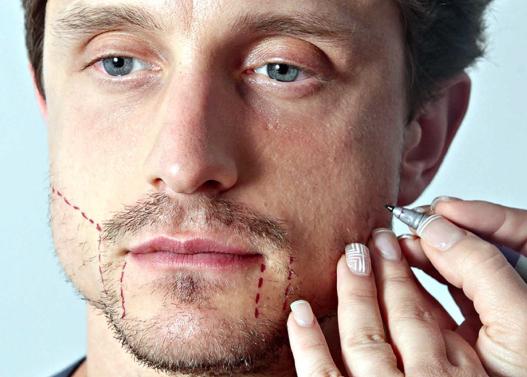
A consultation for Beard Hair Transplant in Dubai is where the treatment moves from a general idea to an individualized facial-hair plan. The assessment typically examines your beard pattern, donor hair, facial proportions, skin condition, desired shape, and the level of density that can realistically be created.
A good consultation should be a two-way clinical discussion. You should leave with a clearer understanding of your options, limitations, preparation, recovery, and expected development rather than simply being told that you are suitable.
Your Beard Goals Are Discussed First
The consultation usually begins by understanding what you want to change.
You may be concerned about patchy cheeks, a weak jawline, sparse chin growth, limited moustache density, scars, or an overall lack of facial-hair definition.
The exact concern helps determine which areas deserve attention.
Your Preferred Grooming Style Matters
A beard designed for long growth may require a different approach from one intended for short stubble.
The consultation should consider how you normally wear your facial hair and whether your preferred style is likely to change the visual requirements of the treatment.
Existing Beard Growth Is Assessed
The clinician examines the areas where natural beard growth is already present.
This helps identify differences in density, direction, calibre, and distribution across the face.
Instead of treating the entire face equally, planning can focus on specific zones where additional follicles would produce the most meaningful improvement.
The Donor Area Is Examined
Donor hair is one of the most important parts of the consultation.
The assessment considers whether available follicles are suitable for facial implantation and how much donor supply can be used while maintaining a natural appearance in the donor area.
Donor Hair Characteristics
Important characteristics can include:
- Hair density
- Hair calibre
- Follicular-unit composition
- Growth direction
- Texture and curl
- Available donor supply
- Existing donor-area appearance
These characteristics help determine the realistic scope of treatment.
Facial Proportions Influence Beard Design
The beard is part of the overall facial framework.
A consultation may examine the relationship between the cheeks, jawline, chin, moustache, and lower face before defining the proposed beard shape.
Mapping the Treatment Zones
Potential treatment areas can include:
- Cheek gaps
- Jawline
- Chin
- Moustache
- Goatee region
- Connecting areas
- Localized scarred zones
Not every patient needs all areas treated.
The Cheek and Jawline Are Planned Carefully
The cheek line is one of the most visible components of beard design.
A line that is too high, too low, or unnaturally straight can affect the entire appearance of the face. The plan should therefore respect existing growth and facial proportions.
The jawline also requires careful consideration because its position influences perceived facial definition.
Graft Planning Is Individualized
There is no universal graft number that works for every beard transplant.
The required amount depends on the treatment area, existing density, donor supply, hair calibre, desired appearance, and the degree of coverage required.
Density Is Discussed in Context
The goal is not necessarily maximum density.
Strategic placement may produce a stronger aesthetic effect while preserving donor resources and allowing transplanted follicles to blend with surrounding facial hair.
Implantation Direction Is Considered
Facial hair follows different directional patterns across the face.
During planning, the natural orientation of nearby hairs can be considered so that implanted follicles can follow the existing growth pattern as closely as possible.
This is particularly important around curved facial surfaces such as the chin and jaw.
Skin and Scar Assessment
The condition of the recipient skin can affect planning.
Previous injuries, surgical scars, acne-related changes, pigmentation concerns, or active skin problems may need to be discussed before treatment.
A scar does not automatically mean that transplantation is unsuitable, but the tissue characteristics should be assessed carefully.
Medical History and Medication Review
Relevant health information should be shared openly during consultation.
Current medications, previous procedures, allergies, skin conditions, and other factors that may affect treatment or healing can influence clinical planning.
Patients should not stop prescribed medication simply because they are preparing for a consultation. Any medication-related changes should be discussed with the treating clinician.
Photos and Visual Planning
Clinical photographs may be used to document the existing beard pattern and support treatment planning.
Images can help evaluate facial symmetry, density differences, cheek borders, jaw definition, and progress during later stages.
Consistent photography is also useful when assessing changes over time.
Questions You Should Ask During Consultation
A productive consultation gives you an opportunity to ask specific questions about your treatment.
Consider asking:
- Which facial areas would benefit most from transplantation?
- Is my donor area suitable?
- How would my beard shape be designed?
- What density is realistic for my existing growth?
- Which type of grafts may be appropriate?
- How should I prepare?
- What should I expect during recovery?
- When should the result be assessed?
- What factors could limit the outcome?
Clear answers can help you make a more informed decision.
Clinic note: The purpose of a beard-transplant consultation is not simply to confirm whether treatment can be performed. It is an opportunity to determine how the procedure should be designed around your anatomy, donor characteristics, existing beard, and long-term aesthetic goals.
Planning Around Dubai Lifestyle
Dubai patients may need to consider work schedules, travel, outdoor activities, social events, and exposure to heat and sunlight when planning treatment.
Patients who travel frequently should discuss their schedule in advance so recovery can be planned appropriately.
Indoor air conditioning can also make the skin feel dry during recovery, while outdoor heat and sun exposure may require additional precautions according to clinical guidance.
Turning the Consultation Into a Personalized Plan
After the assessment, the treatment approach can be tailored to the patient's specific facial-hair pattern.
This may include defining treatment zones, estimating the required graft range, discussing donor preservation, and establishing realistic expectations for growth and maturation.
For patients considering Beard Hair Transplant in Dubai, this personalized planning stage is one of the most important parts of the treatment journey.
Tajmeels Clinic provides individualized facial-hair assessments focused on beard design, donor suitability, facial proportions, and natural integration.
Book a consultation with Tajmeels Clinic to have your beard pattern and restoration goals professionally assessed before deciding on treatment.

 English
 French
 Spanish
 Portuguese
 Deutsch
 Turkish
 Dutch
Dutch
 Italiano
 Russian
 Romaian
 Portuguese (Brazil)
 Greek
Greek