
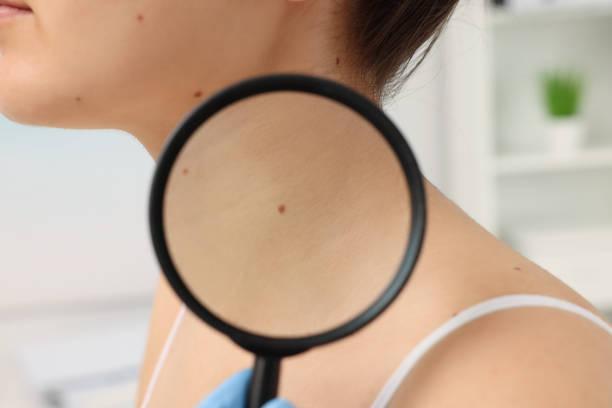
Moles are common skin growths that can vary in size, shape, color, and location. While many moles are harmless, some people choose to have them removed because they cause irritation or affect their appearance. Modern dermatology offers several approaches to mole removal, with the most appropriate method depending on the type of mole, its location, size, depth, and whether there is any medical concern. mole removal riyadh should begin with a professional skin assessment to determine which technique is appropriate.
Why Are Moles Removed?
Mole removal may be recommended for different reasons. A mole that repeatedly catches on clothing, becomes irritated, or is located in an inconvenient area may be considered for removal. Some people also seek removal because they are unhappy with the mole's appearance.
In other situations, a dermatologist may recommend removal because the mole has concerning features or has changed over time. When there is a medical reason for removal, the tissue may need to be examined in a laboratory to determine its nature.
How Specialists Assess a Mole
Before selecting a removal technique, a dermatologist evaluates the mole carefully. The assessment may include examining its size, shape, color, borders, surface characteristics, and location.
The specialist may also ask whether the mole has changed recently or caused symptoms such as bleeding, itching, or irritation. In some cases, dermoscopy can provide a closer view of the mole's structures beneath the skin surface.
This assessment helps determine whether the mole appears suitable for routine removal or requires further investigation.
Shave Removal
Shave removal involves using a specialized blade or similar instrument to remove a raised mole from the skin. It may be considered for certain superficial or raised moles when the dermatologist determines that this approach is appropriate.
The area is typically numbed beforehand to improve comfort. The tissue may be sent for laboratory examination when medically indicated.
The resulting wound is generally allowed to heal naturally, although the final appearance depends on the size and depth of the removal and the individual's healing response.
Surgical Excision
Surgical excision involves removing the mole and, when appropriate, a small margin of surrounding tissue. The area is usually numbed with a local anesthetic before the procedure.
This technique may be selected when a mole needs to be removed more completely or when its characteristics require tissue examination. Depending on the size and location, stitches may be needed to close the area.
Excision provides a physical tissue sample that can be submitted for pathological examination when necessary.
Laser-Based Approaches
Laser technology is used in various dermatological treatments, but it is not appropriate for every type of mole. Whether a laser approach should be considered depends on the characteristics of the lesion and the dermatologist's assessment.
If there is concern that a mole could be abnormal, removing it in a way that allows appropriate tissue analysis may be more important than choosing a cosmetic technique. A specialist can explain whether laser treatment is suitable for the specific case.
Choosing the Right Technique
There is no single mole removal method that is best for everyone. The choice depends on factors such as whether the mole is raised or flat, its size and depth, its location, and the reason for removal.
Mole Removal in Riyadh should therefore be personalized rather than based solely on the appearance of the mole. A dermatologist can recommend the technique that best balances appropriate removal, medical considerations, and the desired cosmetic outcome.
What Happens During the Procedure?
Most minor mole removal procedures begin with cleaning the treatment area and applying local anesthesia. Once the area is numb, the dermatologist performs the selected removal technique.
The procedure itself may be relatively brief, but the duration depends on the mole and the method being used. Your specialist can explain the steps beforehand and answer questions about discomfort, wound care, and recovery.
What Can You Expect During Recovery?
After removal, the treated area may have temporary redness, tenderness, swelling, or a small wound. Recovery varies depending on the technique and the location of the mole.
Following the dermatologist's aftercare instructions is important. You may be advised to keep the area clean, protect it from unnecessary irritation, and follow specific wound-care recommendations.
Can Mole Removal Leave a Scar?
Any procedure that removes tissue from the skin can potentially leave a mark or scar. The likelihood and appearance depend on the technique, mole size, location, wound care, and individual healing characteristics.
A dermatologist can discuss the expected cosmetic outcome before treatment. Proper aftercare and protection of the healing area can also support better scar healing.
When Should a Mole Be Evaluated Urgently?
A mole that changes noticeably in size, shape, or color, or one that repeatedly bleeds, crusts, or becomes persistently itchy, should be evaluated by a qualified dermatologist.
These symptoms do not automatically mean that the mole is cancerous, but they should not be ignored. Professional examination can determine whether monitoring, removal, or further testing is appropriate.
Why Professional Mole Removal Matters
Attempting to remove a mole at home can cause bleeding, infection, scarring, and incomplete removal. It can also prevent proper evaluation of a lesion that may require medical attention.
Mole Removal in Riyadh should be performed following an appropriate dermatological assessment so that the chosen technique matches the characteristics and purpose of treatment.
Book an Appointment at Royal Clinic Saudia
If you are considering mole removal because of cosmetic concerns, irritation, or changes in a mole, Royal Clinic Saudia can help you explore appropriate treatment options through a professional consultation. A skin assessment allows the specialist to determine whether removal is suitable and which approach may be most appropriate for your individual needs.
FAQs:
Is every mole suitable for laser removal?
No. The appropriate technique depends on the mole's characteristics and the dermatologist's assessment.
Does mole removal hurt?
Local anesthesia is commonly used for minor procedures to minimize discomfort.
Can a removed mole be examined?
Yes. When medically indicated, removed tissue can be sent for pathological examination.
Will mole removal leave a scar?
A scar or mark is possible, and its appearance varies according to the procedure and individual healing.

 English
 Arabic
 French
 Portuguese
 Deutsch
 Turkish
 Dutch
Dutch
 Italiano
 Russian
 Romaian
 Portuguese (Brazil)
 Greek
Greek