
INTRODUCTION
An Antarctica tour package offers an extraordinary opportunity to explore one of the most remote and pristine regions on Earth, known for its spectacular glaciers, towering icebergs, penguin colonies, seals, and whales. Travelers seeking unusual outdoor adventures may wonder whether sport-fishing experiences are available during an Antarctic expedition. Although the Southern Ocean contains diverse marine life, sport fishing is generally not a standard activity on conventional Antarctica tourism itineraries. Most expeditions focus on wildlife observation, scenic cruising, educational presentations, photography, and carefully regulated shore excursions. Antarctica's fragile ecosystem is protected by international conservation measures, and activities involving wildlife or the collection of marine resources are subject to strict rules. Consequently, visitors should not assume that fishing is permitted simply because fish inhabit Antarctic waters. Understanding the difference between recreational fishing, wildlife observation, and permitted scientific activities can help travelers choose an expedition that matches their interests while respecting the continent's unique environment.
For adventure enthusiasts, an Antarctic journey can still provide fascinating opportunities to learn about marine ecosystems, observe wildlife in its natural habitat, and experience the extraordinary beauty of the Southern Ocean.
1. Is Sport Fishing Available on Antarctica Expeditions?
Sport fishing is not generally offered as a regular excursion on conventional Antarctic tourism cruises. Most passenger expeditions are designed around exploration, wildlife encounters, environmental education, and visits to authorised landing locations rather than recreational fishing.
There are several reasons for this. Antarctica has an exceptionally fragile ecosystem, and its marine food web depends on the relationships between organisms such as krill, fish, seabirds, seals, and whales. Removing marine animals for recreation could interfere with ecological processes, particularly when activities are poorly managed or conducted in sensitive locations.
Fishing in Antarctic waters is also subject to international conservation arrangements, including the Convention on the Conservation of Antarctic Marine Living Resources (CCAMLR). These arrangements regulate fishing activities and aim to conserve marine ecosystems while permitting authorised, scientifically managed harvesting where applicable.
Commercial fishing and recreational fishing are not the same thing. The existence of regulated commercial fisheries in parts of the Southern Ocean does not mean tourists can fish freely from an expedition vessel.
Travelers interested in sport fishing should therefore ask the operator directly whether any fishing-related activity is legally authorised and explicitly included. For most visitors, observing marine wildlife and learning about Antarctic fish species will be more realistic options than participating in a fishing excursion.
2. Why Is Fishing Restricted in the Antarctic Environment?
Antarctica is one of the world's most environmentally sensitive regions. Its ecosystems have developed under extreme conditions, and many species depend on a delicate balance of food availability, water temperature, sea ice, and seasonal changes.
Fish are an important part of the Southern Ocean food web. Antarctic fish species have adapted to exceptionally cold water, and some possess specialised biological features that help them survive temperatures that would be challenging for many other fish.
However, these adaptations do not make them immune to environmental disturbance. Climate change, changes in sea ice, ocean acidification, and pressure on marine food resources can affect the habitats on which Antarctic species depend.
Responsible management of marine resources is therefore essential. International conservation arrangements help establish rules for fishing activities, monitor catches, and support scientific research into marine populations.
For tourists, these protections mean that wildlife encounters should prioritise observation rather than interference. Feeding marine animals, attempting to catch them, or collecting biological material without proper authorisation is inappropriate and may violate applicable regulations.
An Antarctic expedition provides an opportunity to understand these conservation challenges firsthand. Learning about the Southern Ocean can make a journey more meaningful, even when recreational fishing is not available.
3. What Marine Life Can Travelers Discover Instead of Sport Fishing?
Although sport fishing is not usually part of Antarctic tourism, the region offers remarkable opportunities to discover marine wildlife. Many travelers find that observing animals in their natural surroundings is one of the most memorable parts of the journey.
Antarctic fish
Antarctic waters support specialised fish species, including Antarctic toothfish and various icefish. These animals have evolved to survive in cold marine environments. Some icefish are particularly unusual because certain species have adaptations involving antifreeze proteins, while members of the icefish family Channichthyidae lack functional haemoglobin.
Tourists generally encounter information about these species through onboard presentations, educational displays, and discussions with expedition naturalists rather than direct fishing activities.
Penguins and seabirds
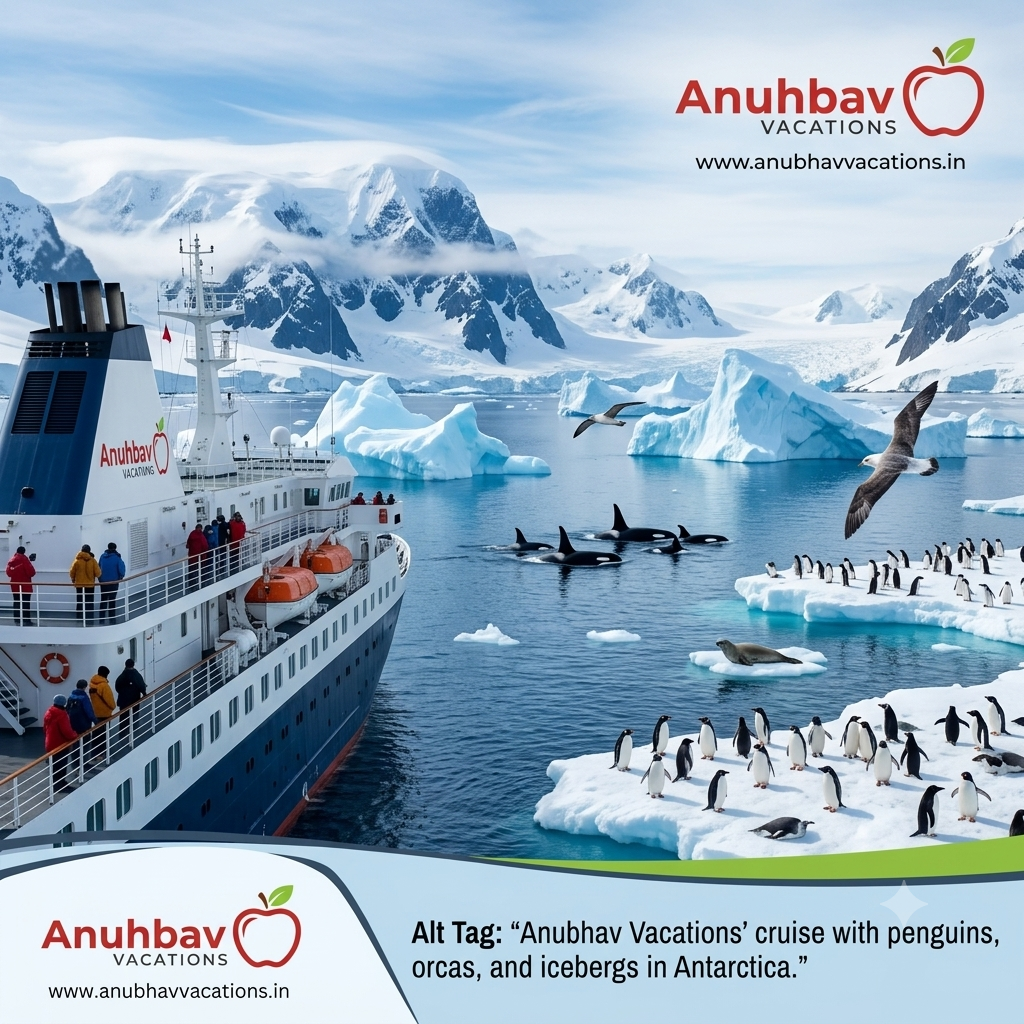
Penguins are among Antarctica's most recognisable animals. Depending on the itinerary and season, travelers may see gentoo, chinstrap, or Adélie penguins. Seabirds such as skuas and petrels can also be observed around shorelines and at sea.
Watching penguins enter the water or seabirds glide over waves offers an excellent opportunity to understand how wildlife interacts with the marine environment.
Seals and whales
Antarctic waters support several seal species, including Weddell seals, crabeater seals, and leopard seals. Whales may also be encountered during expedition cruises, depending on the route and season.
Humpback, minke, and orca sightings are possible in some areas, but wildlife encounters are never guaranteed.
These experiences offer a broader understanding of the Southern Ocean's biodiversity and provide exciting alternatives for travelers who initially considered fishing as their main outdoor interest.
4. Can an Antarctica Tour Package Include Marine Wildlife Excursions?
Yes, an Antarctica tour package can include a range of marine wildlife experiences, depending on the expedition route, vessel, operating conditions, and applicable regulations.
Many expedition cruises include wildlife observation from the ship, where passengers can watch seabirds, seals, and whales when conditions permit. Some itineraries also offer authorised Zodiac excursions, taking small groups closer to scenic coastlines, ice formations, and wildlife viewing areas.
Zodiac trips are generally designed for exploration and observation, not fishing. Expedition staff explain local wildlife behaviour and safety procedures, while passengers enjoy views of the surrounding landscape.
Depending on the voyage, travelers may also participate in shore landings at approved locations. These visits provide opportunities to observe penguin colonies, explore designated areas, and learn about the Antarctic environment.
The precise activities available vary between operators and itineraries. Some voyages concentrate on the Antarctic Peninsula, while others may include additional destinations in the Southern Ocean.
Before booking, ask the operator about the types of excursions included, the physical requirements, weather-related limitations, and the expedition's environmental policies. Travelers interested in fish and marine ecology can also ask whether the onboard educational programme covers Antarctic fish, fisheries management, and conservation.
5. Are There Educational Experiences About Antarctic Fishing?
Yes. Although recreational fishing may not be available, some expedition programmes provide educational opportunities to learn about commercial fishing, marine biology, and the conservation of Antarctic waters.
Naturalists and specialist lecturers may discuss the role of fish in the Southern Ocean, the importance of krill as a food resource, and the challenges of managing fisheries in remote environments. The depth of these presentations varies by operator and voyage.
Travelers may learn about CCAMLR, the international framework established to conserve Antarctic marine living resources. Its work includes scientific monitoring and the management of authorised fisheries within its area of responsibility.
Educational sessions can also explain the differences between commercial fishing, scientific sampling, and recreational angling. Scientific research may involve collecting marine organisms under appropriate permits and protocols, but this should not be confused with activities available to ordinary passengers.
For nature enthusiasts, these presentations provide valuable context for understanding the relationships between marine species and the environmental changes affecting Antarctica.
When comparing Antarctica tour packages, look for voyages that include knowledgeable expedition guides, onboard naturalists, or specialist lectures if learning about marine life is important to you.
6. What Is the Best Time to Explore Antarctic Marine Life?
Most conventional tourism expeditions to the Antarctic Peninsula operate during the Southern Hemisphere summer, broadly from November through March. Conditions, wildlife activity, and available routes change throughout this period.
Seasonal patterns are general guides; actual sightings and excursion schedules vary.
-
November: Early-season voyages may feature extensive sea ice and dramatic snowy scenery. Wildlife activity varies by location.
-
December and January: Longer daylight hours and active penguin breeding colonies can make this period popular for wildlife-focused travel.
-
February: Whale sightings may be rewarding in some areas, while penguin chicks are increasingly visible at certain colonies.
-
March: Late-season voyages may offer opportunities to observe whales and changing coastal conditions, although daylight hours begin to shorten.
These periods are not guarantees of particular sightings, and the best dates depend on the exact route. Sea ice, wind, waves, and other weather conditions can change excursion plans at short notice.
Travelers should choose dates according to their wider interests, including wildlife observation, photography, landscapes, and educational activities, rather than expecting a particular fishing experience.
Because recreational sport fishing is not a standard tourism activity, there is no generally recommended Antarctic tourist season specifically for it.
7. What Are the Rules for Protecting Antarctic Marine Wildlife?
Antarctic tourism operates within a framework of environmental protection, international agreements, and site-specific rules. The Antarctic Treaty System and applicable conservation measures help protect the continent and surrounding marine environment.
Visitors should follow their expedition operator's instructions and any requirements established for the sites they visit. These rules are designed to minimise disturbance to wildlife and prevent damage to sensitive habitats.
Key responsible-travel practices include:
-
Never feed, touch, chase, or attempt to catch wild animals.
-
Follow all instructions about maintaining appropriate distances from wildlife.
-
Do not collect fish, shells, feathers, bones, or other natural materials.
-
Follow biosecurity procedures to avoid introducing seeds, soil, or organisms.
-
Keep waste and equipment under control and never leave rubbish behind.
-
Respect restricted areas and instructions from expedition staff.
-
Avoid any fishing activity unless it has been explicitly confirmed as lawful and authorised by the relevant authorities.
Not every environmental rule is identical at every destination, so visitors should rely on current official guidance and their expedition team's instructions.
Responsible tourism helps ensure that Antarctica remains a place where future visitors can observe wildlife in a relatively undisturbed environment.
Conclusion
Sport fishing is generally not a standard activity on conventional Antarctic tourism expeditions, but travelers can still discover the remarkable marine life of the Southern Ocean through wildlife observation, Zodiac excursions, scenic cruising, and educational presentations. Understanding conservation rules and the ecological importance of Antarctic waters helps visitors make responsible travel choices. When planning an expedition, prioritise suitable itineraries, experienced guides, and opportunities to learn about marine biodiversity. Anubhav Vacations can help travelers explore suitable Antarctic travel options based on their interests, preferred experiences, and travel plans.
Frequently Asked Questions (FAQs)
1. Are sport-fishing experiences available during an Antarctica tour package?
Sport fishing is generally not included in conventional Antarctic tourism itineraries. Travelers should confirm whether any proposed fishing activity is explicitly authorised and legally permitted.
2. Can tourists see fish in Antarctica?
Yes, Antarctic waters contain several fish species, including icefish and Antarctic toothfish. Tourists typically learn about them through educational presentations rather than recreational fishing.
3. What marine wildlife can visitors see in Antarctica?
Depending on the route and season, visitors may see penguins, seals, whales, seabirds, and other marine wildlife.
4. When is the best time to visit Antarctica for marine wildlife observation?
The main Antarctic tourism season generally runs from November through March. Wildlife sightings depend on the destination, weather, and seasonal conditions.
5. Do Antarctica tour packages include boat excursions?
Many expedition itineraries offer Zodiac excursions or scenic boat-based exploration, subject to weather, safety requirements, and local regulations. The exact activities vary by operator.

 English
 French
 Spanish
 Portuguese
 Deutsch
 Turkish
 Dutch
Dutch
 Italiano
 Russian
 Romaian
 Portuguese (Brazil)
 Greek
Greek