
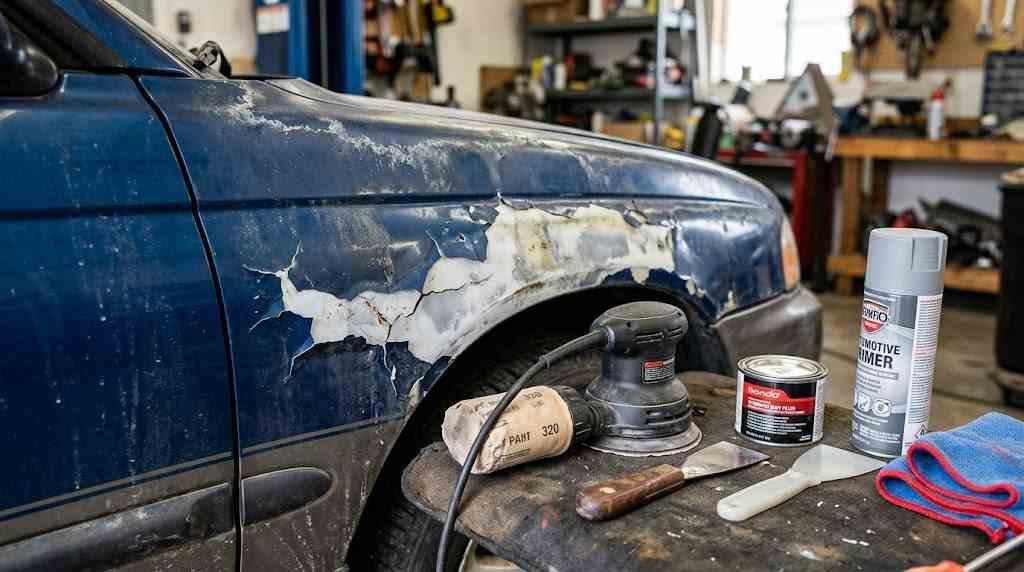
Your car's paint does more than make it look attractive. It also protects the bodywork from moisture, sunlight, road salt, and other environmental elements that can lead to corrosion. However, over time, you may notice the paint beginning to crack, bubble, flake, or peel away from the surface. What starts as a small patch can gradually spread, leaving your vehicle looking worn and exposing the underlying material to potential damage.
Car paint peeling can happen for several reasons, including poor paint application, prolonged sun exposure, moisture, and everyday wear and tear. Understanding the cause is the first step toward choosing the right repair method. Whether you're dealing with a small patch on the hood or extensive peeling across several panels, knowing when to attempt a minor repair and when to seek professional help can save you time and money. If the damage is widespread, consulting an Auto paint repair shop Calgary can help you identify the underlying problem and determine the most suitable repair approach.
What Causes Car Paint to Peel?
Car paint usually consists of several layers, including primer, basecoat, and clear coat. Each layer serves a specific purpose, from helping the paint adhere to the surface to providing colour and protection. When these layers begin to separate or deteriorate, peeling can occur.
Here are some of the most common reasons behind this problem.
1. Prolonged Exposure to Sunlight
Strong sunlight is one of the leading causes of automotive paint deterioration. Ultraviolet (UV) rays gradually break down the chemical structure of the clear coat, reducing its ability to protect the coloured paint underneath.
As the clear coat deteriorates, it may become dull, cloudy, chalky, or start flaking away. Vehicles regularly parked outdoors without shade are particularly vulnerable, especially in areas that experience long periods of intense sunshine.
The hood, roof, trunk, and upper sections of doors often show the first signs of sun damage because they receive direct sunlight for extended periods.
How to prevent it: Whenever possible, park in a garage or shaded area. Applying a quality automotive wax or paint sealant can provide additional protection, although these products cannot reverse clear coat damage that has already developed.
2. Poor Paint Preparation or Application
The quality of the original paint job has a significant impact on how long it lasts. Before new paint is applied, the surface must be cleaned, sanded, and prepared correctly. Any remaining dirt, grease, moisture, or loose paint can interfere with adhesion.
Problems can also develop when the wrong primer is used, paint layers are applied incorrectly, or the recommended drying and curing times are ignored.
If the paint begins peeling shortly after a repair or repainting job, improper preparation or application may be responsible.
How to prevent it: Choose a reputable automotive paint professional who follows the correct preparation, application, and curing procedures. Proper workmanship helps the new finish bond securely to the vehicle's surface.
3. Moisture and Rust Beneath the Paint
Water can find its way beneath damaged paint through scratches, stone chips, exposed metal, and poorly sealed repair areas. Once moisture reaches bare steel, corrosion may begin.
As rust develops, it can expand beneath the surrounding paint, pushing the finish away from the metal. This often causes bubbling, cracking, and eventual peeling.
Rust-related paint damage commonly appears around wheel arches, door edges, the lower sections of doors, and other areas exposed to water, dirt, and road debris.
How to prevent it: Repair chips and scratches before they expose bare metal. If you notice bubbling or reddish-brown corrosion beneath the paint, have the affected area inspected. Painting over rust without removing or properly treating it will usually allow the problem to return.
4. Harsh Chemicals and Improper Washing
Not every cleaning product is suitable for automotive paint. Strong household detergents, abrasive cleaners, and certain chemicals can damage protective coatings, particularly when used repeatedly or incorrectly.
Using rough brushes, dirty sponges, or aggressive scrubbing techniques can also scratch the finish. These scratches may not immediately cause peeling, but they can weaken the protective surface and make existing damage worse.
How to prevent it: Use automotive-specific car shampoo, clean microfiber towels, and suitable washing tools. Avoid harsh chemicals and follow the instructions provided with detailing products.
5. Stone Chips, Scratches, and Physical Damage
Small stones, road debris, minor collisions, and everyday contact can chip or scratch your vehicle's paint. When the damage reaches the primer or bare metal, the affected area becomes more vulnerable to moisture and environmental exposure.
If a chip is left untreated, the surrounding paint may gradually loosen, allowing the damaged area to spread.
How to prevent it: Inspect your vehicle regularly, particularly after highway driving or harsh weather. Touch-up paint can help protect small, isolated chips when the surrounding finish remains firmly attached.
6. Aging Paint and Previous Repairs
Even a well-maintained vehicle's paint will eventually show signs of aging. Years of sunlight, temperature changes, moisture, and everyday use can weaken the finish.
Previous repairs can also contribute to peeling if incompatible products were used or the new paint was applied over an unstable surface. In some cases, an older repaint may begin separating from the original finish.
When the paint is deteriorating across several panels, spot repairs may not provide a consistent or lasting result.
How Can You Fix Peeling Car Paint?
The best repair method depends on which layer is peeling, how much of the vehicle is affected, and whether rust or other damage is present.
Step 1: Identify the Type of Paint Damage
Before attempting a repair, examine the affected area carefully.
- Clear coat peeling: The transparent protective layer flakes away, sometimes leaving the coloured paint visible underneath.
- Basecoat peeling: The coloured layer separates from the primer or another underlying layer.
- Primer or paint peeling to bare metal: Larger flakes may expose the metal surface, increasing the risk of corrosion.
- Bubbling paint: Raised areas may indicate moisture, rust, contamination, or poor adhesion beneath the finish.
These symptoms can overlap, so visual inspection alone may not always reveal the exact cause. If the damage is extensive, a professional assessment is the safest way to determine what needs to be removed and refinished.
Step 2: Clean and Prepare the Surface
For a small repair, begin by washing the affected area with automotive soap and water. Allow it to dry completely before assessing the damage.
Loose paint must be removed, and the edges of the damaged area need to be prepared so the new finish can blend into the surrounding surface. Depending on the damage, this may involve sanding and applying an appropriate primer.
Wear suitable eye protection and respiratory protection when sanding, and follow the product manufacturer's safety instructions. Automotive coatings and sanding dust can contain hazardous substances.
If the paint is peeling over rust, the corrosion must be addressed before refinishing. Simply covering the area with fresh paint will not solve the underlying problem.
Step 3: Apply the Correct Primer
Primer helps the new paint adhere to the prepared surface and can provide corrosion protection when the appropriate product is selected.
Bare metal, plastic bumpers, and previously painted panels may require different preparation methods or primers. Using a product that is incompatible with the surface or the intended paint system can lead to further adhesion problems.
Follow the manufacturer's instructions regarding surface preparation, application thickness, drying time, and compatibility with subsequent coatings.
Step 4: Reapply the Basecoat and Clear Coat
Once the surface is properly prepared and primed, the matching basecoat can be applied. The correct colour code is important, but matching the finish may also require adjustments for paint age, fading, and the original application technique.
After the basecoat has been applied as directed, a compatible clear coat may be required to restore the protective finish and achieve a consistent appearance.
Allow the coatings to cure according to the manufacturer's specifications. Avoid washing, waxing, or exposing the repair to conditions that could interfere with curing.
For larger repairs, professional refinishing is generally the better choice because blending the colour and matching the gloss can be challenging with basic touch-up products.
Step 5: Address Extensive Peeling Professionally
If paint is peeling across the hood, roof, trunk, or several body panels, a small touch-up is unlikely to provide a durable solution.
A professional repair may involve removing the failing clear coat or paint layers, preparing the surface, correcting corrosion if present, and refinishing the affected panel. If the underlying paint system has widespread adhesion problems, more extensive preparation may be necessary.
Although this approach can cost more initially, properly addressing the root cause helps reduce the likelihood of recurring peeling and uneven finishes.
Can You Fix Peeling Car Paint Yourself?
DIY repairs can be practical when the damage is small, the surrounding paint remains stable, and the underlying surface is not corroded. A minor chip or isolated defect may be manageable with compatible touch-up products and careful preparation.
However, there is an important difference between covering a small blemish and restoring a failing paint system.
Consider professional repair if:
- The peeling covers a large area.
- Paint continues flaking beyond the original damaged spot.
- Rust or corrosion is visible.
- The colour or clear coat has deteriorated across multiple panels.
- A previous repaint is separating from the underlying surface.
- You want a seamless finish on a highly visible panel.
DIY products may improve the appearance of minor damage, but they rarely produce the same consistency as a properly prepared and professionally refinished panel.
How Much Does It Cost to Repair Peeling Car Paint?
The cost depends on the extent of the damage, the type of paint failure, the vehicle's colour, and the amount of preparation required.
A small touch-up may be relatively inexpensive, while refinishing an entire panel can cost considerably more. Repairs involving rust removal, extensive sanding, replacement parts, or multiple panels generally require additional labour and materials.
Several factors influence the final price:
- Damage size: Larger affected areas need more preparation and paint.
- Paint condition: Stable surrounding paint is easier to work with than a finish that is peeling extensively.
- Vehicle colour: Certain metallic, pearl, and multi-stage finishes require more complex colour matching.
- Surface material: Plastic and metal panels may need different preparation procedures.
- Corrosion: Rust treatment adds time and may reveal further damage.
- Repair quality: Thorough preparation and correct curing procedures can improve durability but may increase the initial cost.
The most useful way to understand your likely expense is to obtain an inspection and a written estimate that explains the preparation, materials, and refinishing work included.
How to Prevent Car Paint from Peeling Again
Once the paint has been repaired, a few simple habits can help preserve the new finish.
Park in a Garage or Shaded Area
Reducing direct exposure to UV rays and extreme weather can slow paint deterioration. A garage is ideal, but a suitable shaded parking space can also help.
Wash Your Car Regularly
Remove road salt, dirt, bird droppings, tree sap, and other contaminants before they damage the finish. Use automotive shampoo and non-abrasive cleaning materials.
Repair Chips and Scratches Promptly
Small defects can expose the layers beneath the paint. Addressing them early helps prevent moisture from reaching bare metal and reduces the risk of corrosion.
Use Appropriate Paint Protection
Wax, paint sealants, and suitable ceramic coatings can help protect a healthy finish from certain environmental contaminants. However, these products cannot repair peeling paint or replace a damaged clear coat.
Follow Proper Maintenance Practices
Avoid aggressive polishing, abrasive cleaning tools, and unsuitable chemicals. After repainting, follow the shop's recommendations for washing and applying protective products, especially during the curing period.
Inspect Your Vehicle Periodically
Check the hood, roof, trunk, wheel arches, and door edges for dull patches, bubbling, chips, or loose paint. Catching a problem early can prevent a minor defect from becoming a larger repair.
Conclusion
Car paint can peel because of prolonged sun exposure, moisture, rust, poor surface preparation, harsh cleaning products, or aging coatings. The right solution depends on the underlying cause and how extensively the paint has deteriorated. While small chips and isolated defects may be suitable for DIY touch-ups, widespread peeling or corrosion usually requires professional preparation and refinishing.
Taking action early can help protect your vehicle's bodywork, maintain its appearance, and reduce the risk of more expensive repairs later. If you're unsure whether your paint needs a minor touch-up or a complete panel refinish, consulting a trusted Calgary Autobody Shop can help you identify the problem and choose a repair that offers lasting results. With proper preparation, quality materials, and regular maintenance, you can keep your car's finish looking better for years to come.

 English
 French
 Spanish
 Portuguese
 Deutsch
 Turkish
 Dutch
 Italiano
 Russian
 Romaian
 Portuguese (Brazil)
 Greek