
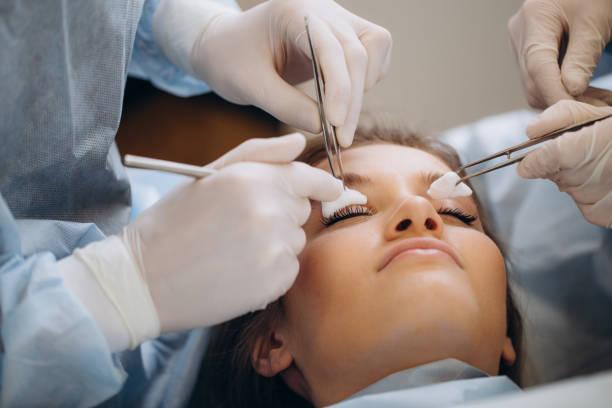
Eyelash Hair Transplant in Dubai may be discussed by people experiencing significant eyelash thinning, including those whose lash loss is associated with an autoimmune condition. However, when the immune system contributes to hair loss, the decision to pursue transplantation requires more than an assessment of the visible lash line.
Conditions such as alopecia areata can affect hair follicles in different areas of the body, including the eyebrows and eyelashes. The pattern may change over time, and regrowth can sometimes occur without surgery. For this reason, understanding the diagnosis and whether the condition is active is an important part of treatment planning.
How Autoimmune Conditions Can Affect Eyelash Growth
Autoimmune-related hair loss occurs when the body's immune response affects its own tissues. In alopecia areata, the immune system targets hair follicles, causing hair to fall out in affected areas. The course varies considerably: some people develop small patches of loss, while others experience more extensive changes.
Eyelash loss may occur alongside eyebrow or scalp hair loss, but not everyone follows the same pattern. A person may have isolated eyelash thinning or changes affecting multiple areas.
Why Diagnosis Comes Before Cosmetic Treatment
Not every case of eyelash loss is caused by an autoimmune condition. Other possibilities include chronic eyelid inflammation, physical damage from repeated cosmetic treatments, medication-related effects, or other medical causes.
A clinician may need to review the timing and pattern of the loss, associated symptoms, medical history, and previous treatment. When an autoimmune condition is suspected or already diagnosed, coordination with the treating dermatologist or another appropriate specialist may be helpful.
A transplant should not be treated as a substitute for evaluating an underlying medical condition.
Eyelash Hair Transplant in Dubai and the Importance of Disease Stability
One of the main considerations is whether the condition responsible for hair loss is stable. If the immune-related process remains active, transplanted follicles may not provide a predictable or lasting solution.
Hair transplantation moves follicles from one area to another. It does not correct the immune mechanism responsible for alopecia areata. Consequently, even when donor hair is available, the expected benefits must be weighed against the possibility of continued or recurrent hair loss.
There is no universal stability period that applies to every patient. The decision depends on the diagnosis, disease history, clinical findings, and specialist advice.
Questions That Help Clarify Readiness
Patients may wish to discuss the following points with their care team:
-
Has the cause of my eyelash loss been established?
-
Is the condition currently active or changing?
-
Have medical treatment options been considered?
-
Is transplantation appropriate for my particular diagnosis?
-
How could future episodes of hair loss affect the result?
These questions can help distinguish between a cosmetic concern that may be suitable for surgical discussion and an ongoing medical problem that needs further management.
When Non-Surgical Management May Be Considered
Depending on the diagnosis, a dermatologist may discuss medical approaches intended to manage the underlying condition or support hair regrowth. The appropriate options vary, and not every treatment is suitable for the eyelid area.
Patients should avoid applying scalp products or unprescribed medication near the eyes. The skin around the eyelids is delicate, and products designed for other areas may cause irritation or ocular complications.
If the condition improves and the loss pattern stabilizes, the patient and clinician can reassess the remaining cosmetic concern. This does not guarantee that transplantation will become appropriate, but it allows the decision to be based on better clinical information.
What Should Be Evaluated Before Eyelash Restoration?
An individualized assessment may consider several factors.
Medical History and Treatment
The clinician should understand the diagnosis, previous episodes of hair loss, treatments already tried, and any relevant medical conditions. Changes in medication should be discussed with the prescribing clinician rather than made solely to prepare for cosmetic surgery.
Donor Hair and Long-Term Planning
The availability of suitable donor hair is only one part of the decision. Hair taken from another area may behave differently from natural eyelashes, and transplantation cannot guarantee that the recipient area will remain unaffected by an ongoing hair-loss condition.
Eyelid Health and Functional Safety
The lash line is close to the eye, so the assessment should consider eyelid anatomy, existing lashes, skin condition, and eye comfort. The goal should not simply be to create greater density; it should also account for the safe positioning and direction of the transplanted hairs.
Setting Realistic Expectations With Autoimmune Lash Loss
People experiencing autoimmune hair loss may understandably want a durable cosmetic solution. However, treatment decisions should acknowledge that the underlying condition can be unpredictable.
A responsible discussion should cover the limits of transplantation, the possibility of further hair loss, the need for ongoing medical care, and alternative options. Temporary cosmetic approaches may be worth discussing while the diagnosis or disease activity is being clarified.
Patients should be cautious about any provider who promises permanent results without considering the underlying condition or who recommends surgery without reviewing relevant medical history.
FAQs About Eyelash Hair Transplant in Dubai for Autoimmune Conditions
Can people with alopecia areata have an eyelash transplant?
Suitability varies. The diagnosis, disease activity, history of recurrence, and specialist assessment all matter. Active or unstable disease may make transplantation inappropriate.
Can a transplant cure autoimmune eyelash loss?
No. Transplantation does not treat the immune process responsible for alopecia areata and should not be presented as a cure.
Should I see a dermatologist before a consultation?
If you have diagnosed or suspected autoimmune hair loss, a dermatologist's input can help clarify the condition and its current activity before an elective procedure is considered.
Can my natural eyelashes grow back?
Regrowth is possible in some cases, but it depends on the underlying diagnosis and individual course. A clinician can help explain the options for your situation.
Arrange an Individual Assessment at Tajmeels Clinic
Autoimmune-related eyelash loss calls for careful planning, particularly when the pattern is changing or the diagnosis is uncertain. Understanding the cause, reviewing medical treatment, and establishing realistic expectations are essential steps before considering a cosmetic procedure.
If you are exploring Eyelash Hair Transplant in Dubai, contact Tajmeels Clinic to discuss your goals and the assessment needed to determine whether restoration may be appropriate. Bring details of your diagnosis and previous treatments, and ask whether input from your treating specialist is advisable.
Visit the Tajmeels Clinic eyelash hair transplant page for service information and consultation options.
Clinic note: Autoimmune-related hair loss can change over time. Transplant suitability must be assessed individually, and medical management of the underlying condition remains important.

 English
 Arabic
 French
 Spanish
 Portuguese
 Deutsch
 Turkish
 Dutch
 Italiano
 Russian
 Romaian
 Portuguese (Brazil)