
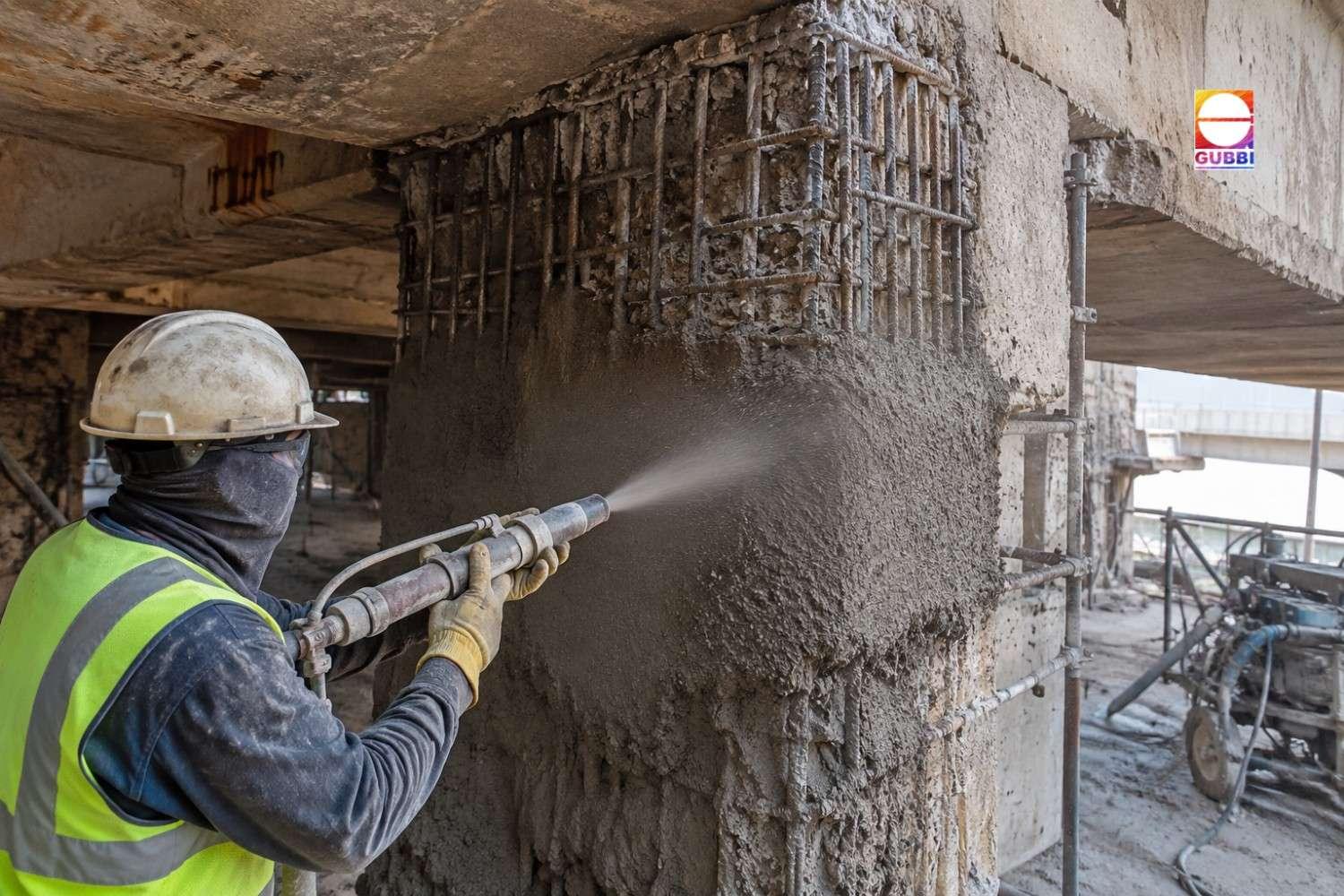
Concrete structures in industrial facilities, commercial buildings, and infrastructure projects can deteriorate because of moisture exposure, reinforcement corrosion, heavy loading, and environmental conditions. When conventional concrete placement becomes difficult, shotcreting offers an alternative for selected repair and construction applications. This technique allows concrete or mortar to be projected onto prepared surfaces, making it useful for rehabilitation projects involving complex shapes, restricted access, and areas where conventional formwork may be challenging. Shotcreting is widely considered for repairing damaged reinforced cement concrete structures, stabilising selected surfaces, and constructing concrete linings. However, its suitability depends on the structural condition, design requirements, material specifications, and application environment. Businesses evaluating shotcreting services should understand how the process works, which structures can benefit, and what affects the quality of the finished work. This knowledge helps project owners make informed decisions before selecting a repair method.
What Is Shotcreting in Construction?
Shotcreting is a construction process in which concrete or mortar is conveyed through specialised equipment and sprayed at high velocity onto a prepared surface. The impact helps compact the material against the substrate, allowing it to build up into the required layer. Depending on the mix design and project specifications, shotcrete can be applied to vertical surfaces, overhead sections, curved structures, and areas where conventional concrete placement presents practical difficulties.
Unlike traditional cast-in-place concrete, shotcrete does not always require extensive formwork to contain the material during placement. This makes it useful for certain rehabilitation and infrastructure projects with irregular surfaces or limited working space. Nevertheless, successful application requires appropriate equipment, trained operators, correct material proportions, and suitable surface preparation. The method should be selected according to engineering requirements rather than assuming that sprayed concrete is automatically suitable for every damaged structure.
How Does the Shotcreting Process Work?
1. Inspection and Assessment
The first stage involves examining the structure to determine the extent and cause of deterioration. Engineers may assess concrete cracks, spalling, reinforcement corrosion, surface weakness, moisture penetration, and existing structural conditions. Depending on the project, testing or structural analysis may also be necessary. This investigation helps establish whether shotcreting is appropriate, identifies areas requiring removal or treatment, and supports preparation of a repair specification before application begins.
2. Surface Preparation
Proper surface preparation is essential for achieving an effective bond between existing concrete and the newly applied material. Loose concrete, dust, oil, coatings, and other contaminants must be removed from the designated repair area. Where reinforcement is exposed, its condition should be examined and suitable treatment carried out according to the repair specification. The prepared substrate must meet the project's requirements before spraying begins, reducing the risk of weak interfaces or premature deterioration.
3. Material Mixing and Equipment Setup
Shotcrete quality depends on the selected mix design, material consistency, equipment condition, and application requirements. Before work starts, the project team should confirm the specified materials, equipment settings, hose arrangements, and operating procedures. The chosen method also influences how water is introduced into the mixture. Proper preparation supports consistent application and helps reduce defects caused by unsuitable material proportions, interrupted delivery, or incorrect equipment operation during the spraying process.
4. Spraying and Layer Application
During application, the operator directs the nozzle towards the prepared surface using suitable distance, angle, and movement. Material is deposited progressively to achieve the specified coverage and thickness. Reinforcement, corners, and overhead areas require particular attention because inadequate placement can create voids or poorly compacted sections. Depending on the design, several layers may be needed. Application should follow the approved methodology, with ongoing checks to maintain consistency and achieve the required profile.
5. Curing and Quality Inspection
After spraying, the material requires appropriate curing and protection according to its specification and environmental conditions. Premature drying can affect strength development and increase the likelihood of surface cracking. Quality checks may include thickness measurements, visual inspection, test panels, core testing, or other specified verification procedures. These checks help confirm that the completed work meets the project's acceptance criteria. Documentation of materials, application conditions, and test results also supports future maintenance and structural assessment.
Types of Shotcreting Methods
Dry-Mix Shotcreting
In dry-mix shotcreting, the dry cementitious mixture is conveyed through a hose using compressed air, and water is introduced near the nozzle. The operator controls the water addition during spraying, making skill and consistency particularly important. This method can be considered for selected repair works and applications requiring flexibility in material delivery. Its suitability depends on project size, material requirements, equipment availability, environmental conditions, and the ability to maintain the specified quality.
Wet-Mix Shotcreting
Wet-mix shotcreting involves preparing the concrete mixture with water before pumping it through the delivery system. Compressed air at the nozzle projects the material onto the receiving surface. This approach can support consistent delivery for suitable applications, particularly where larger quantities are required. Mix design, pumping characteristics, aggregate size, hose arrangements, and application conditions must be evaluated carefully. The final choice should reflect the project specifications and the contractor's demonstrated ability to control the process.
Major Applications of Shotcreting Services
Structural Repair of RCC Buildings
Reinforced cement concrete buildings may develop deteriorated columns, beams, slabs, and walls due to corrosion, moisture, mechanical damage, or ageing. After the damaged material has been assessed and removed where necessary, shotcrete may be specified to rebuild suitable sections. The method can be useful where conventional formwork would complicate access or extend preparation time. Engineers must determine the repair geometry, reinforcement treatment, required thickness, and material properties before approving the application.
Industrial Plant Maintenance
Factories and industrial plants often contain concrete foundations, equipment supports, retaining structures, and process-related civil assets exposed to demanding operating conditions. Repairs may need to accommodate restricted access, production schedules, vibration, or environmental exposure. Shotcreting can be considered for suitable concrete restoration projects when the repair design and site conditions support its use. Planning must account for machinery, access routes, operating hazards, and curing requirements to ensure that construction activities remain controlled and properly coordinated.
Bridge and Infrastructure Rehabilitation
Bridges, culverts, retaining walls, and other infrastructure assets can experience concrete deterioration due to weather exposure, water penetration, traffic-related conditions, and reinforcement corrosion. Shotcrete may be specified for selected rehabilitation work involving prepared concrete surfaces or structural lining requirements. Each project requires assessment of the existing condition, access limitations, environmental exposure, and loading requirements. Infrastructure repairs should follow approved engineering details and applicable project specifications, particularly where defects affect critical structural components.
Tunnels and Underground Structures
Underground construction frequently involves irregular rock surfaces, confined working areas, and requirements for concrete lining or surface stabilisation. Shotcrete is used in appropriate tunnel projects as part of a designed support or lining system. Its performance depends on the ground conditions, excavation sequence, reinforcement requirements, thickness, and installation method. In rehabilitation work, the existing lining must also be assessed before repairs are selected. Shotcreting should form part of a coordinated engineering solution rather than an isolated surface treatment.
Retaining Walls and Slopes
Retaining walls and selected slope-related structures may require repairs because of erosion, cracking, local concrete deterioration, or environmental exposure. Shotcreting can be suitable for certain prepared surfaces where a designed concrete layer is required. However, the cause of movement or distress must be investigated first. Drainage problems, soil pressure, foundation movement, and water accumulation may require separate corrective measures. Applying sprayed concrete without addressing these conditions may conceal symptoms while leaving the underlying problem unresolved.
Water-Retaining and Hydraulic Structures
Reservoirs, treatment facilities, channels, and other water-related concrete structures may experience surface deterioration, cracking, or damage associated with moisture and chemical exposure. Shotcrete can be considered for suitable repair or lining applications when the specified materials are compatible with the service environment. Water-retaining structures may require additional checks for permeability, crack movement, joint detailing, and exposure conditions. The repair design should address both the concrete condition and the structure's intended hydraulic performance.
Benefits of Using Shotcreting in Suitable Projects
One important advantage of shotcreting is its adaptability to vertical, overhead, curved, and irregular surfaces. The method can reduce dependence on extensive formwork in appropriate applications and help teams access geometries that are difficult to repair using conventional placement methods. It also allows material to be built up progressively, giving the operator control over application areas. These benefits can make sprayed concrete a practical option for selected rehabilitation projects with complicated surface conditions.
Shotcreting can also support efficient project planning when the application method is suitable and site preparation is completed properly. Repair teams may be able to work on designated sections without reconstructing entire components, although the extent of possible disruption depends on structural requirements. The technique does not eliminate curing, inspection, or safety needs. Its overall value comes from selecting the correct application, controlling workmanship, and coordinating activities with the facility's operational and engineering constraints.
Shotcreting Versus Conventional Concrete Repair
Conventional concrete repair may involve formwork, placing concrete or repair mortar, and compacting the material using appropriate methods. Shotcreting instead projects the material at high velocity onto the prepared surface. The two approaches serve overlapping but different purposes, and neither is universally superior. Selection depends on repair dimensions, accessibility, reinforcement arrangement, required thickness, material specifications, and the quality controls available for the work.
For example, a small, localised defect may be more appropriately repaired using a compatible hand-applied repair mortar. A large or irregular surface may justify evaluating shotcrete, particularly when extensive formwork would be difficult to install. The decision should also consider rebound, overspray, access equipment, curing, surface finish, and inspection requirements. A technically sound comparison examines the complete repair process rather than judging methods solely by application speed or initial material cost.
Factors Affecting Shotcreting Project Costs
Shotcreting project costs vary according to the area requiring treatment, specified thickness, material type, surface condition, reinforcement arrangements, and access requirements. Work at height, overhead application, confined spaces, and operating industrial facilities may require additional safety measures and equipment. Testing, surface preparation, damaged concrete removal, reinforcement treatment, and curing arrangements can also influence the total budget. Consequently, a quotation should reflect the complete scope rather than only the quantity of material sprayed.
Project owners should compare quotations based on technical compliance, work methodology, material specifications, equipment, operator capability, and quality-control provisions. A lower initial price may exclude essential preparation or inspection activities, while a higher quotation should be supported by a clear explanation of its scope. For businesses planning precision-controlled sprayed concrete rehabilitation, evaluating the complete repair strategy helps balance budget, performance, and operational requirements. Any cost comparison should be based on a defined scope and suitable site assessment.
How to Choose Suitable Shotcrete Contractors
Selecting shotcrete contractors requires attention to technical experience, trained operators, equipment suitability, and the ability to follow approved engineering specifications. Ask potential contractors about comparable projects, surface preparation procedures, mix control, application techniques, curing practices, and inspection arrangements. Experience with a particular structure type may also be relevant because industrial foundations, tunnels, bridges, and overhead repairs present different challenges. Clear communication about site conditions and project requirements helps establish whether the contractor can deliver the specified work.
During contractor evaluation, request a written methodology explaining each major stage, including removal of unsound material, reinforcement treatment, spraying, curing, and quality verification. The proposal should identify responsibilities, material requirements, access arrangements, safety precautions, and any exclusions. For industrial, commercial, and infrastructure projects, Gubbi Civil Engineers Limited may be considered among the companies to evaluate for relevant civil engineering requirements. The final appointment should depend on verified project suitability, technical compliance, and the agreed scope of work.
Common Shotcreting Defects and How to Prevent Them
Poorly executed shotcrete can develop defects such as voids behind reinforcement, inadequate thickness, weak bonding, surface cracking, or excessive rebound. These issues may result from unsuitable material proportions, poor substrate preparation, incorrect nozzle positioning, inconsistent water control, or inadequate operator experience. In some cases, defects remain hidden beneath the finished surface. Preventing them requires a coordinated approach involving material checks, trained personnel, correct equipment operation, specified application procedures, and inspection throughout the work.
Quality management should begin before spraying and continue until the completed repair satisfies the project's requirements. The team should verify substrate readiness, reinforcement condition, material delivery, application thickness, and curing arrangements. Where required, test panels, cores, or other verification methods can help evaluate performance. Any identified defect should be assessed and corrected using an approved procedure. Consistent documentation provides evidence of completed work and helps owners make informed decisions about future inspection and maintenance.
Safety Considerations During Shotcreting
Shotcreting involves pressurised equipment, airborne particles, cementitious materials, noise, hoses, and potentially elevated or confined work areas. Appropriate personal protective equipment, equipment inspection, controlled access, dust management, and trained operation are important parts of site safety. Workers should understand the equipment's operating procedures and emergency arrangements. Additional controls may be necessary when work occurs near machinery, live production areas, traffic, or other activities that could create conflicting hazards.
Before work begins, the contractor and site management should review the method statement, risk assessment, access requirements, and emergency procedures. Hoses and connections should be checked according to the equipment manufacturer's requirements, and unauthorised personnel should remain outside restricted areas. Work at height or in confined spaces requires suitable controls and supervision. Safety arrangements should be maintained throughout application, cleaning, equipment handling, and curing protection rather than treated as a preliminary formality.
Maintenance After Shotcrete Application
Maintenance remains important even after a shotcrete repair has passed its initial inspection. Facility owners should monitor repaired sections for recurring cracks, delamination, moisture ingress, surface deterioration, and other changes that may indicate developing problems. Inspection frequency should reflect the structure's importance, exposure conditions, previous damage, and maintenance plan. Recording observations with dates and photographs can help identify changes over time and support decisions about additional investigation or corrective work.
A repaired surface should also be protected from the conditions that caused the original deterioration wherever possible. This may involve managing water ingress, maintaining suitable protective coatings, correcting drainage issues, or reviewing operating loads. For industrial assets, planned maintenance can be coordinated with shutdown periods and routine inspections. Continued monitoring does not replace proper engineering design, but it helps owners identify emerging defects and manage the condition of their structures more systematically.
Frequently Asked Questions About Shotcreting
What Is the Difference Between Shotcrete and Shotcreting?
Shotcrete refers to concrete or mortar applied pneumatically at high velocity, while shotcreting describes the process of applying that material. The technique is used in suitable construction, repair, lining, and rehabilitation applications. The exact method depends on the specified material, equipment, substrate condition, and project requirements. Understanding these factors helps determine whether sprayed concrete is appropriate for a particular structure or whether another repair method would be more suitable.
Where Are Shotcreting Services Used?
Shotcreting services are used in suitable industrial buildings, reinforced concrete structures, retaining walls, tunnels, bridges, underground works, and selected water-related structures. Applications may include concrete restoration, lining, and strengthening where the engineering design supports the method. The required material and application process vary with the structure and exposure environment. An assessment should establish the purpose of the work, required thickness, surface preparation, reinforcement details, and quality checks before execution.
Is Shotcreting Suitable for Damaged RCC Structures?
Shotcreting may be suitable for selected damaged RCC structures when the affected concrete has been assessed and the repair design specifies sprayed concrete. The process may help rebuild prepared sections or provide a designed additional layer. However, severe cracking, reinforcement corrosion, movement, or reduced load capacity may require further investigation and additional repair measures. Engineers should determine the cause and extent of damage before deciding whether shotcrete alone can meet the structural requirements.
What Determines the Quality of Shotcrete Work?
Shotcrete quality depends on the mix design, substrate preparation, equipment condition, operator skill, nozzle technique, layer thickness, and curing practices. Reinforcement detailing and access to the repair area can also influence the result. Appropriate inspections and testing help confirm whether the finished work meets project specifications. Good material selection alone cannot compensate for poor workmanship, so quality control should cover the complete process from initial assessment through application and final acceptance.
How Long Does Shotcrete Repair Last?
The service life of shotcrete repair depends on the design, materials, application quality, exposure conditions, and maintenance provided after completion. Correctly designed and executed work can provide long-term performance, but no fixed lifespan applies to every project. Persistent water ingress, chemical exposure, structural movement, or poor maintenance may shorten service life. Project owners should follow the specified inspection and maintenance plan and investigate any recurring defects instead of assuming the repaired section will remain unchanged indefinitely.
Shotcreting is a useful technique for selected concrete construction, repair, and rehabilitation applications, particularly where irregular surfaces, difficult access, or limited formwork make conventional placement challenging. Its success depends on proper assessment, material selection, surface preparation, skilled application, curing, and quality verification. Businesses should evaluate the structural requirements before choosing this method and compare contractors based on technical capability, safety, and the complete scope of work. A carefully planned approach supports informed decisions and better management of existing assets.

 Arabic
 French
 Spanish
 Portuguese
 Deutsch
 Turkish
 Dutch
 Italiano
 Russian
 Romaian
 Portuguese (Brazil)
 Greek