
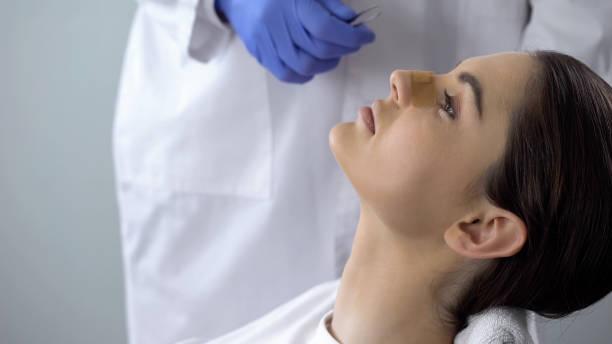
A rhinoplasty consultation is an important first step for anyone considering changes to the shape, size, or structure of their nose. It gives patients an opportunity to discuss their concerns, understand suitable treatment options, and learn what surgery may realistically achieve. The surgeon evaluates nasal anatomy, reviews medical history, and considers whether the patient's goals can be addressed safely. For individuals exploring Rhinoplasty in Riyadh (عملية تجميل الأنف في الرياض), understanding what happens during this appointment can make the consultation more comfortable and help them prepare relevant questions before making a decision.
What Is a Rhinoplasty Consultation?
A rhinoplasty consultation is a meeting with a qualified surgeon to determine whether nose surgery is appropriate for a patient's needs. The appointment focuses on aesthetic goals, nasal structure, breathing function, and overall health.
During the consultation, the surgeon explains possible surgical approaches and discusses their benefits, limitations, and risks. Patients can describe the features they would like to change, ask questions about recovery, and learn what preparation may be required. The consultation does not obligate a patient to proceed with surgery; it is an opportunity to make an informed decision.
Reviewing Your Medical History
Discussing Existing Health Conditions
The surgeon will usually ask about current and previous medical conditions, allergies, medications, and any history of surgery or anesthesia-related problems. This information helps identify factors that could affect surgical planning, anesthesia, or recovery.
Patients should also mention bleeding disorders, previous nasal injuries, and any conditions affecting healing. Providing accurate information helps the medical team assess individual risks and determine whether additional evaluation is needed before surgery.
Explaining Medications and Lifestyle Factors
Some medications and supplements can influence bleeding or interact with anesthesia. Patients should bring an accurate list of prescribed medicines, over-the-counter products, vitamins, and supplements they use.
Smoking and other nicotine use can also affect healing. Patients should discuss these habits honestly and follow their surgeon's advice about stopping nicotine before and after surgery. Do not discontinue prescribed medication without guidance from the treating clinician.
Examining the Nose and Facial Structure
Evaluating External Nasal Features
The surgeon examines the nose from different angles to assess the bridge, tip, nostrils, width, and overall proportions. Facial features such as the forehead, cheeks, lips, and chin may also be considered because the nose should be evaluated in relation to the entire face.
The assessment helps identify which changes may be achievable while maintaining a balanced appearance. Skin thickness, cartilage strength, and bone structure can influence the surgical plan and the visibility of the final result.
Assessing Nasal Breathing
A consultation may also include an evaluation of nasal airflow and internal structures, particularly if the patient experiences congestion, obstruction, or difficulty breathing through one or both nostrils.
Depending on the symptoms, the surgeon may examine the septum and other structures inside the nose. If a structural problem is identified, septoplasty or functional rhinoplasty may be discussed. Breathing difficulties can have several causes, so further examination may be necessary before recommending treatment.
Discussing Your Goals and Expectations
Identifying Specific Nasal Concerns
Patients should explain what they would like to change and why those features concern them. Common goals include smoothing a prominent bridge, refining a rounded tip, adjusting nasal width, improving asymmetry, or addressing changes caused by an injury.
Clear communication helps the surgeon understand the patient's priorities. It can be useful to identify the most important concerns rather than requesting numerous changes without understanding how they may affect one another.
Understanding Realistic Results
The surgeon explains what may be achievable based on the patient's anatomy and skin characteristics. Photographs can help communicate preferences, but they cannot guarantee an identical result because every person's nasal structure and healing process are different.
Rhinoplasty also has limitations. Perfect symmetry cannot be guaranteed, and some patients may have persistent swelling or require additional treatment. A suitable plan balances aesthetic goals with nasal support and breathing function.
Learning About Surgical Techniques
During the consultation, the surgeon may explain whether an open or closed rhinoplasty approach is appropriate.
Open Rhinoplasty
Open rhinoplasty involves incisions inside the nose and a small incision across the columella, the tissue between the nostrils. This approach can provide greater visibility of the underlying structures and may be useful for more complex changes.
Closed Rhinoplasty
Closed rhinoplasty uses incisions inside the nostrils. It may be suitable for selected procedures where the planned changes can be performed through this approach.
Neither technique is automatically better for every patient. The choice depends on nasal anatomy, the complexity of the requested changes, and the surgeon's assessment. If the patient has had previous nose surgery, revision rhinoplasty may require a different plan.
Understanding Risks, Recovery, and Aftercare
A consultation should include a clear discussion of potential complications, including bleeding, infection, scarring, asymmetry, persistent swelling, breathing difficulties, changes in sensation, and dissatisfaction with the result. Additional surgery may occasionally be necessary.
The surgeon also explains what recovery may involve. Patients commonly experience swelling, bruising, tenderness, and temporary congestion after surgery. Many visible symptoms improve over several weeks, while subtle swelling can persist for months. The final appearance may take a year or longer to become clear.
Patients should ask when they can return to work, exercise, and normal daily activities. They should also understand follow-up arrangements and know whom to contact if they experience unexpected symptoms during recovery.
Questions to Ask During Your Consultation
Preparing questions can help patients make better use of the appointment. Consider asking:
-
Am I a suitable candidate for rhinoplasty?
-
Which changes are realistic for my nasal structure?
-
Could surgery affect my breathing?
-
Which surgical technique do you recommend, and why?
-
What are the main risks in my situation?
-
How long might recovery take, and what restrictions should I expect?
-
What follow-up care will be provided?
-
Is there a possibility that revision surgery may be needed?
Patients should feel comfortable asking for clarification whenever something is unclear. Understanding the proposed treatment is an important part of informed consent.
Book an Appointment at Royal Clinic Saudia
A rhinoplasty consultation helps patients understand their nasal concerns, explore appropriate surgical options, and establish realistic expectations before making a decision. Royal Clinic Saudia ( عيادات رويال كلينك ) can be contacted to discuss consultation options and individualized treatment planning. If you are considering Rhinoplasty in Riyadh, arrange a consultation with a qualified surgeon to review your goals, assess your nasal structure, and learn about the potential benefits, risks, and recovery requirements.

 English
 Arabic
 Spanish
 Portuguese
 Deutsch
 Turkish
 Dutch
 Italiano
 Russian
 Romaian
 Portuguese (Brazil)
 Greek