
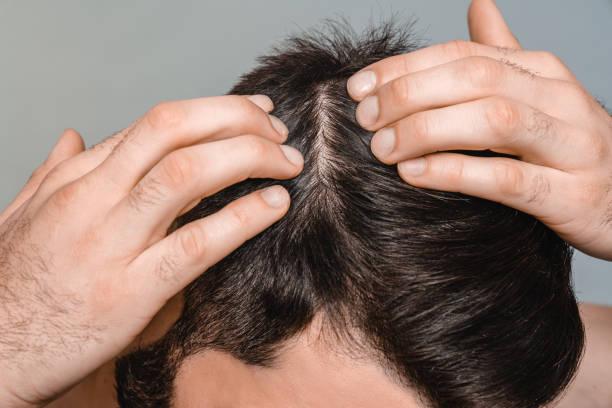
Alopecia is a term used to describe different types of hair loss that can affect the scalp and other areas of the body. It may develop gradually, appear in small patches, or cause more extensive hair thinning depending on the underlying condition. Understanding the cause is an important first step toward choosing an appropriate treatment. With a professional assessment and a personalized care plan, hair treatment riyadh can help patients explore suitable options for managing alopecia, supporting hair growth where possible, and maintaining scalp health.
What Is Alopecia and Why Does It Occur?
Alopecia can develop for several reasons, and each type may require a different approach to treatment. Androgenetic alopecia, commonly known as hereditary hair loss, is associated with genetic factors and sensitivity to hormones that influence hair follicles. It often causes a receding hairline, thinning around the crown, or reduced hair density across the scalp.
Alopecia areata is an autoimmune condition in which the immune system mistakenly attacks hair follicles, often resulting in round or oval patches of hair loss. Other forms may be linked to hormonal changes, nutritional deficiencies, certain medications, physical stress, or inflammatory scalp conditions. Some types of alopecia can cause permanent hair loss if hair follicles become damaged, making early assessment particularly important.
Common Treatment Approaches for Alopecia
Topical Treatments for Hair Regrowth
Topical minoxidil is a commonly used option for certain types of hereditary hair loss. It may help support hair growth and slow further thinning when used consistently as directed. Results typically take several months to become noticeable, and ongoing use is often needed to maintain benefits.
Minoxidil is not suitable for every form of alopecia, and it may cause scalp irritation or other side effects. A healthcare professional can help determine whether it is appropriate based on the type of hair loss, medical history, and individual needs. Patients considering Hair Loss Treatment in Riyadh should seek guidance before beginning a new medication or changing an existing treatment routine.
Prescription Medications
Prescription medicines may be recommended for selected patients depending on the diagnosis. For example, finasteride may help some men with androgenetic alopecia by reducing the effects of a hormone involved in follicle miniaturization. However, it can cause side effects and is not appropriate for everyone. It requires a discussion with a qualified clinician, particularly regarding reproductive considerations and potential risks.
For alopecia areata, a clinician may consider corticosteroids or other immune-modulating treatments depending on the severity and extent of hair loss. Some medications require close monitoring, and their suitability varies from person to person. Prescription treatments should never be started without appropriate medical advice.
Platelet-Rich Plasma Therapy
Platelet-rich plasma, or PRP, is a treatment that uses a concentrated preparation made from a patient's own blood. After processing, the platelet-rich portion is injected into selected areas of the scalp. Platelets contain growth factors that may support the local environment around hair follicles.
PRP may be considered for certain patients experiencing hereditary hair thinning, although research findings and treatment protocols vary. It is not a guaranteed solution and may not be suitable for every type of alopecia, particularly when the condition involves active inflammation or permanent follicle damage. A professional assessment can help establish whether PRP is a reasonable option and what results may be realistic.
Treatment for Alopecia Areata
Alopecia areata requires an approach that considers its autoimmune nature. For limited patches, a dermatologist may recommend corticosteroid injections or topical medications to help manage the immune response around affected follicles. More extensive cases may require other prescription therapies under specialist supervision.
Hair may regrow in some cases, but the course of alopecia areata can be unpredictable. Some people experience temporary patches, while others develop recurring or widespread hair loss. Treatment plans may need adjustment over time, and regular follow-up can help assess progress and manage possible side effects.
Hair Transplantation for Selected Patients
Hair transplantation may be appropriate for some people with stable hereditary hair loss. The procedure moves hair follicles from a donor area, usually the back or sides of the scalp, to areas with reduced density. Suitability depends on donor hair availability, the pattern of hair loss, scalp health, and long-term expectations.
Hair transplantation is generally not an appropriate solution for active alopecia areata because the condition may affect transplanted follicles or other areas unpredictably. It may also be unsuitable for certain scarring alopecias until the condition has been carefully assessed and stabilized. A consultation is essential before considering surgery.
The Importance of Identifying the Cause
Effective alopecia care begins with understanding why hair loss is occurring. A clinician may review the patient's medical history, family history, medications, recent illnesses, nutrition, and hair-care practices. Examination of the scalp and hair pattern can help identify signs of hereditary thinning, inflammation, or patchy loss.
Depending on the findings, additional tests may be recommended. Blood tests can help identify certain nutritional deficiencies or hormonal concerns, while a scalp examination or biopsy may be necessary in selected cases. Correctly identifying the condition helps prevent unsuitable treatments and supports a more targeted plan.
Daily Habits That Support Scalp and Hair Health
Healthy habits cannot treat every form of alopecia, but they may support general hair health and complement appropriate medical care. Eating a balanced diet with sufficient protein, iron, zinc, and other essential nutrients helps meet the body's nutritional needs. Supplements are most useful when a deficiency has been identified or a healthcare professional recommends them.
Gentle hair care can also reduce avoidable breakage. Limiting excessive heat styling, harsh chemical treatments, and tightly pulled hairstyles may help protect fragile hair. Managing stress and maintaining a consistent sleep routine can support general well-being, although these steps alone may not reverse hereditary or autoimmune hair loss.
When Should You Seek Professional Advice?
Consider a medical assessment if hair loss is sudden, occurs in distinct patches, progresses rapidly, or affects the eyebrows or eyelashes. Scalp pain, redness, persistent itching, scaling, or visible scarring also requires attention because some inflammatory conditions can cause lasting follicle damage.
A qualified professional can explain available options, discuss potential side effects, and set realistic expectations. The right Hair Loss Treatment in Riyadh depends on the diagnosis, the stage of hair loss, and the patient's overall health. Results vary, and some conditions require ongoing management rather than a one-time treatment.
Conclusion
Alopecia can have several causes, so no single treatment works for everyone. Options may include topical medications, prescription therapies, PRP, condition-specific treatment for alopecia areata, or hair transplantation for carefully selected patients. Identifying the cause early can help guide appropriate care and avoid unnecessary treatments. For personalized guidance, consult the specialists at Royal Clinic Saudia to discuss your symptoms and explore suitable Hair Loss Treatment in Riyadh options based on your needs.

 English
 French
 Spanish
 Portuguese
 Deutsch
 Turkish
 Dutch
 Italiano
 Russian
 Romaian
 Portuguese (Brazil)
 Greek