
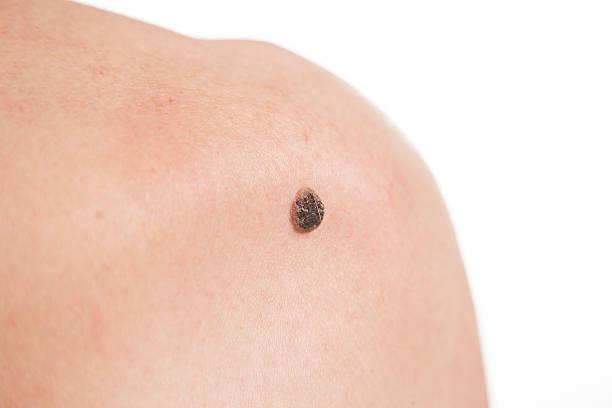
Warts are common skin growths caused by certain types of human papillomavirus (HPV). They can appear on the hands, fingers, feet, face, and other parts of the body. While many warts are harmless and may disappear without treatment, some persist, spread, become uncomfortable, or interfere with daily activities. Recognising these changes can help you decide when to seek professional advice. Warts removal treatment in Riyadh may be an option when a growth causes discomfort, affects appearance, or does not improve over time.
Not every skin bump is a wart, and attempting to remove an unidentified growth can cause irritation or delay the correct diagnosis. A healthcare professional can examine the affected area and determine whether the growth has typical wart-like features or requires further investigation. Understanding the signs that deserve attention is an important step toward protecting your skin and choosing appropriate care.
Signs That a Wart May Need Professional Treatment
The Wart Persists or Continues to Grow
One sign that you may need professional assessment is a wart that remains for a long time without showing signs of improvement. Some warts resolve naturally, but others can persist for months or longer. A growth that gradually becomes larger, thicker, or more noticeable may benefit from evaluation to determine whether treatment is appropriate.
Persistent growths can also be difficult to distinguish from other skin conditions. Rather than repeatedly trying different home remedies, consider having the area examined, particularly if the growth changes in appearance or does not respond to previous treatment.
Pain or Discomfort Develops
Warts are not always painful, but their location can make them uncomfortable. Plantar warts on the soles of the feet may hurt when walking or standing because of pressure on the affected area. Warts around the fingers or nails can interfere with gripping objects, typing, or routine nail care.
Pain can also result from repeated friction, picking, or irritation. If a wart becomes increasingly painful, swollen, or sensitive, a professional assessment can help identify the cause and determine a suitable management approach. Severe or rapidly worsening pain should not be ignored.
Warts Spread to Nearby Skin
Warts can spread when HPV transfers from an affected area to nearby skin. Picking, biting, scratching, or shaving over a wart may contribute to the spread. As a result, a person may notice several small growths developing around the original wart.
When the number of growths increases, professional advice can help identify the lesions and discuss treatment options. Avoid cutting or scraping the affected skin yourself, as this can cause injury and may contribute to further spread. Keeping the area clean and avoiding shared personal grooming tools can also help reduce transmission.
The Wart Affects Appearance or Confidence
Visible warts on the hands, face, or other exposed areas may cause self-consciousness. Even when a wart is medically harmless, a person may prefer to have it assessed because it affects their confidence or daily routine. The decision to seek treatment can therefore involve both physical comfort and personal preferences.
Treatment suitability depends on the wart’s location and the condition of the surrounding skin. Facial growths require particular care because aggressive removal methods can cause scarring or changes in pigmentation. A professional can explain the possible outcomes and limitations before recommending a procedure.
Changes That Should Not Be Ignored
Bleeding, Unusual Colour, or Rapid Changes
A growth that bleeds without an obvious injury, changes colour, develops an irregular appearance, or grows rapidly should be examined by a healthcare professional. These features do not automatically mean the lesion is serious, but they should not be assumed to be ordinary wart symptoms.
If the diagnosis is uncertain, further evaluation may be needed before any removal procedure. This is particularly important for growths that look different from other warts or fail to respond as expected to treatment.
Irritation or Signs of Infection
Repeated friction or attempts to remove a wart can damage the surrounding skin. Redness, tenderness, or minor irritation may occur, but spreading redness, increasing pain, pus, or fever may indicate infection and require medical attention.
Avoid applying harsh chemicals to broken skin or attempting to cut the growth away. Professional guidance can help determine whether the area needs treatment for irritation or infection before wart removal is considered.
Treatment Options Available for Warts
Cryotherapy and Topical Treatments
Cryotherapy uses controlled freezing, commonly with liquid nitrogen, to damage wart tissue. Depending on the wart’s size and location, more than one session may be necessary. Temporary blistering, tenderness, and pigment changes can occur after treatment.
Topical products containing salicylic acid may be suitable for certain warts, particularly on the hands and feet. These products gradually remove affected skin but can irritate healthy tissue if used incorrectly. They should not be applied indiscriminately to facial growths or sensitive areas. People with diabetes, poor circulation, or reduced sensation should seek professional advice before using wart-removal products, especially on their feet.
Other Professional Procedures
For selected persistent warts, a clinician may consider electrosurgery, curettage, or laser treatment. These procedures are not appropriate for every growth and can involve discomfort, scarring, or changes in skin pigmentation. The choice depends on the diagnosis, wart location, previous treatments, and individual health factors.
Warts removal treatment in Riyadh should be planned around the person’s specific needs rather than relying on one method for every case. A professional assessment helps clarify the expected benefits, potential side effects, healing time, and possibility of recurrence.
Preventing Further Irritation and Supporting Skin Health
While waiting for an assessment or recovering after treatment, avoid picking, biting, or cutting the wart. Keep the area clean and follow any care instructions provided by a healthcare professional. Do not share towels, nail clippers, razors, or other personal items that come into contact with affected skin.
Warts may return even after successful treatment because HPV can remain in surrounding skin. Follow-up care may be helpful if the growth persists or reappears. Seek medical advice promptly if you notice unusual changes, worsening pain, or signs of infection.
Book a Consultation at Royal Clinic Saudi
If a wart persists, spreads, becomes painful, or affects your confidence, professional assessment can help you understand the available options. At Royal Clinic Saudi, individuals considering warts removal treatment in Riyadh can discuss their skin concerns and learn about suitable approaches based on the growth’s characteristics and location. A consultation can also help determine whether a lesion needs further evaluation before removal.
FAQs:
1. When should I consider professional wart removal?
Consider an assessment if the wart persists, spreads, causes discomfort, or interferes with everyday activities.
2. Is a bleeding wart always dangerous?
Not necessarily, but unexplained bleeding or other unusual changes should be assessed by a healthcare professional.
3. Can warts disappear without treatment?
Yes. Some warts resolve naturally, although this can take months or longer.
4. Can warts return after removal?
Yes. Recurrence is possible because the virus may remain in nearby skin after the visible growth has been removed.

 English
 Arabic
 French
 Spanish
 Portuguese
 Deutsch
 Turkish
 Dutch
 Italiano
 Romaian
 Portuguese (Brazil)
 Greek