
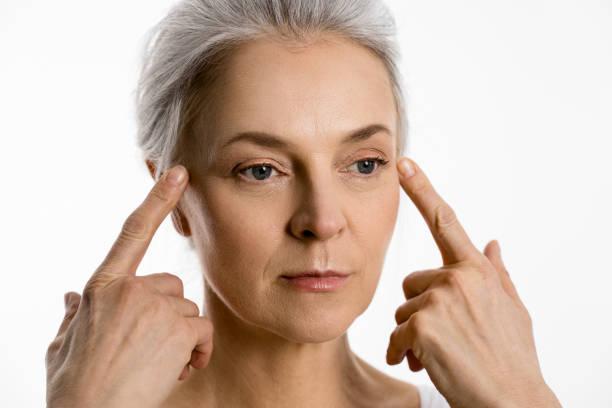
Under-eye bags are a common concern that can make the face appear tired or swollen, even after a full night's sleep. They may develop because of fluid retention, genetics, aging, allergies, or changes in the tissues surrounding the eyes. Although natural approaches cannot eliminate every type of under-eye bag, simple lifestyle habits and gentle skincare practices may help reduce temporary puffiness and support healthier-looking skin. Understanding the underlying cause can also help determine when professional treatment, such as Eye Bag Removal in Riyadh, may be worth considering.
What Causes Under-Eye Bags?
Before choosing a natural approach, it is important to understand why under-eye bags develop. Different causes require different strategies, and a remedy that helps temporary swelling may not improve bags caused by excess skin or prominent fat deposits.
Fluid Retention
Fluid may accumulate beneath the eyes overnight, causing puffiness that is more noticeable in the morning. High salt intake, sleep patterns, and certain sleeping positions may contribute to this temporary swelling. The puffiness may gradually improve as the day progresses.
Aging and Reduced Skin Elasticity
As people age, the skin gradually loses elasticity, and the tissues supporting the eyelids may weaken. Fat beneath the eyes can become more prominent, while loose skin may create a fuller appearance. These structural changes are unlikely to disappear through home remedies alone.
Genetics and Allergies
Some individuals naturally have more prominent under-eye bags because of their facial anatomy or family history. Allergies can also cause swelling, itching, redness, and watery eyes. In these cases, identifying the cause is essential before deciding which measures may help.
Natural Ways to Reduce Under-Eye Puffiness
Natural approaches are generally most useful for mild, temporary puffiness. Consistency is important, but results vary depending on the individual's skin and the cause of the swelling.
Apply a Cool Compress
A clean, cool compress may temporarily reduce puffiness by helping constrict superficial blood vessels and soothe the surrounding skin. Place a cool, damp washcloth over closed eyes for several minutes without applying pressure.
Avoid placing ice directly on the skin because it can cause irritation or cold injury. A cool compress may help temporary swelling, but it will not remove excess skin or fat beneath the eyes.
Get Consistent, Quality Sleep
Poor sleep may make puffiness and dark circles more noticeable. Maintaining a regular sleep schedule and creating a comfortable sleeping environment can support overall skin health.
Most adults generally need around seven to nine hours of sleep each night. Individual needs vary, but consistent rest may help reduce the tired appearance associated with insufficient sleep.
Reduce Excess Salt Intake
Eating large amounts of sodium can contribute to fluid retention in some people. Choosing balanced meals and limiting highly salted processed foods may help reduce temporary puffiness.
This does not mean eliminating salt completely. A balanced diet that includes vegetables, fruits, whole grains, and appropriate sources of protein supports general health and helps maintain normal hydration.
Stay Properly Hydrated
Drinking enough water throughout the day supports normal body function and helps prevent dehydration. However, drinking extra water beyond your body's needs will not necessarily eliminate under-eye bags.
Hydration should be balanced with individual health requirements. People who have been advised to restrict fluids because of a medical condition should follow their healthcare professional's recommendations.
Elevate Your Head Slightly During Sleep
For people who experience morning puffiness caused by fluid accumulation, slightly elevating the head while sleeping may help limit fluid pooling around the eyes.
Use a comfortable arrangement that supports the neck properly. This approach may be helpful for temporary swelling, but it is not expected to correct bags caused by aging or protruding fat.
Skincare Habits That Support the Under-Eye Area
The skin around the eyes is delicate, so gentle skincare is important. Appropriate products may improve hydration and skin texture, although they cannot reverse every structural cause of under-eye bags.
Use a Gentle Moisturizer
A fragrance-free moisturizer formulated for the eye area may help reduce dryness and make fine lines less noticeable. Apply it gently according to the product instructions, avoiding direct contact with the eyes.
People with sensitive skin should introduce new products gradually and discontinue use if irritation develops.
Consider Caffeine-Based Eye Products
Some eye creams containing caffeine may temporarily reduce the appearance of puffiness in certain individuals. Their effects are usually modest and depend on the product and the underlying cause.
Avoid expecting topical products to remove prominent fat deposits or significantly tighten loose skin. Persistent bags may require a different approach.
Protect the Skin From Sun Exposure
Regular sun protection can help limit premature skin aging. Use suitable broad-spectrum sunscreen and consider sunglasses to protect the delicate area around the eyes. Choose products that are appropriate for use near the eyes and avoid direct contact with them.
Habits to Avoid When Managing Under-Eye Bags
Certain habits may worsen puffiness or irritate the skin. Avoid rubbing your eyes, particularly when allergies or dryness are present. Harsh exfoliants, untested home remedies, and fragranced products can also trigger irritation.
Do not apply lemon juice, baking soda, essential oils, or other irritating household ingredients to the under-eye area. The skin is sensitive, and these substances may cause inflammation rather than improve its appearance.
If allergies are suspected, seek appropriate medical advice instead of relying exclusively on cosmetic products or home remedies.
When Are Natural Remedies Not Enough?
Natural approaches may help when under-eye puffiness is temporary, but they are less likely to make a substantial difference when the cause is excess skin, protruding fat, or inherited facial anatomy.
Individuals with persistent bags may benefit from a professional assessment to identify suitable treatment options. Depending on the cause, a clinician may discuss skincare, selected non-surgical treatments, or lower eyelid surgery.
For suitable candidates, Eye Bag Removal in Riyadh may be an option when structural changes beneath the eyes remain noticeable despite lifestyle adjustments. A qualified practitioner can explain the potential benefits, limitations, recovery requirements, and risks before recommending a procedure.
Seek medical advice if swelling persists, repeatedly returns, or affects one eye more than the other. Sudden swelling accompanied by severe pain, redness, fever, or vision changes requires prompt medical assessment.
Conclusion
Reducing the appearance of under-eye bags naturally starts with understanding their cause. Cool compresses, consistent sleep, balanced nutrition, appropriate hydration, gentle skincare, and sun protection may help manage temporary puffiness and support healthier-looking skin. However, natural remedies cannot reliably remove established fat deposits or significant excess skin.
If home care does not address persistent under-eye bags, Eye Bag Removal in Riyadh may be worth discussing with a qualified professional. Royal Clinic Saudia can help you arrange a consultation to explore appropriate options and understand which approach may best suit your concerns and individual needs.

 English
 Arabic
 French
 Portuguese
 Deutsch
 Turkish
 Dutch
 Italiano
 Russian
 Romaian
 Portuguese (Brazil)
 Greek