
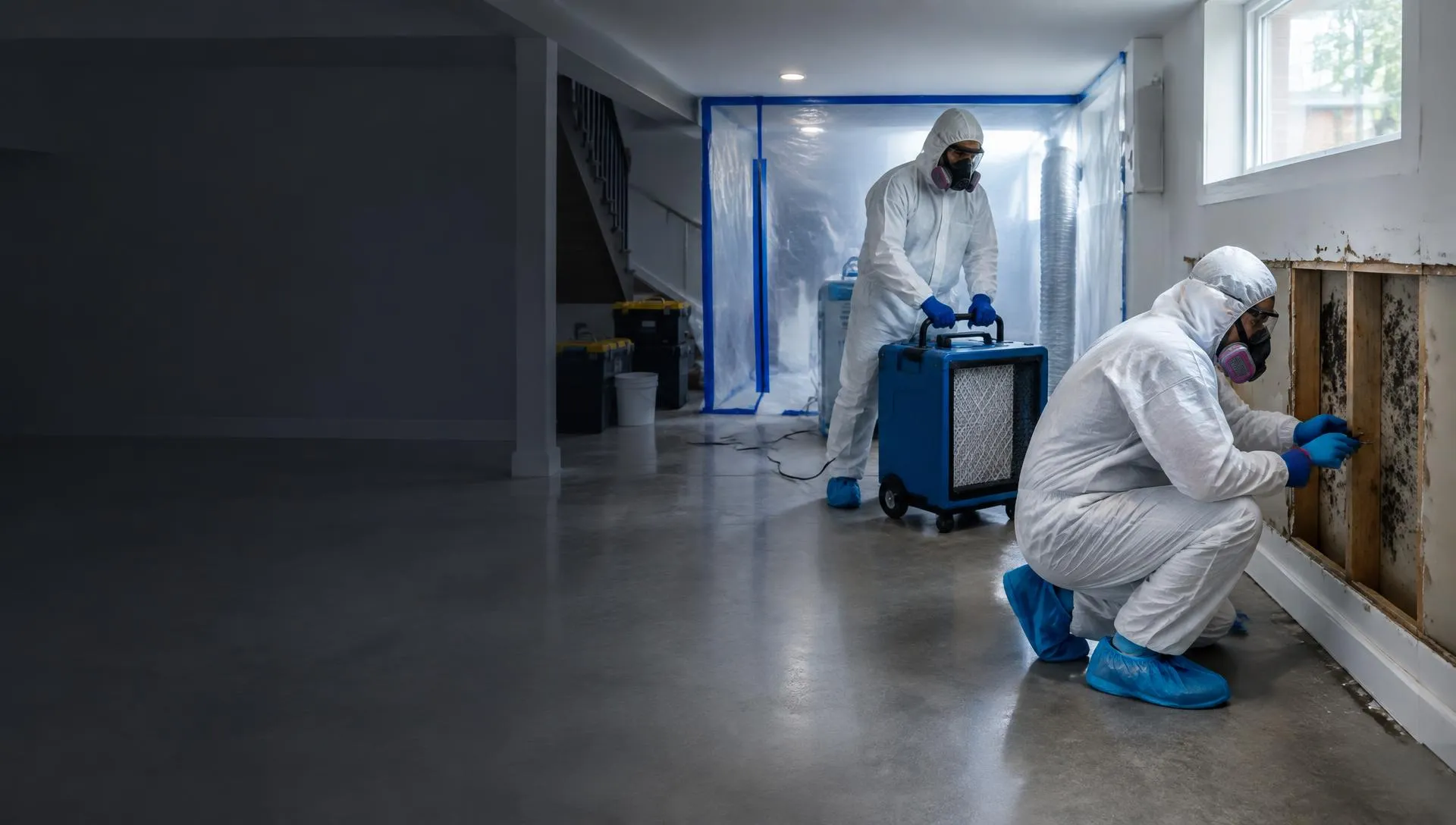
Mold growth is a common problem for homeowners, especially when moisture accumulates in basements, bathrooms, kitchens, and other poorly ventilated areas. In Yonkers, NY, changing seasonal weather, heavy rainfall, plumbing leaks, and indoor humidity can all contribute to conditions that allow mold to develop. Understanding what causes mold growth is an important step toward preventing property damage and knowing when professional mold remediation may be necessary.
1. Water Leaks From Plumbing Systems
Leaking pipes, dripping faucets, damaged plumbing connections, and faulty water supply lines are common sources of indoor moisture. Even a small leak behind a wall or underneath a sink can create damp conditions that support mold growth over time.
Homeowners may not notice these leaks immediately because water can accumulate inside cabinets, behind drywall, or beneath flooring. Signs such as water stains, peeling paint, musty odors, and swollen building materials may indicate a hidden moisture problem.
Repairing the leak is essential, but affected materials must also be evaluated to determine whether mold has developed. Simply painting over a water stain or cleaning the visible surface may not address the underlying issue.
2. Basement Moisture and Water Intrusion
Basements are particularly vulnerable to mold because they are often below ground level and may have limited ventilation. Water can enter through foundation cracks, basement windows, damaged drainage systems, or areas where groundwater collects around the property.
Homes in Yonkers may experience basement moisture following periods of heavy rain or snowmelt. Poor grading around the foundation and clogged gutters can also direct water toward the building instead of away from it.
Common warning signs include damp walls, wet carpeting, white mineral deposits on masonry, and persistent musty smells. Homeowners should address the source of water intrusion and dry affected areas promptly. If mold has already developed, a professional assessment can help determine the extent of the problem and the appropriate remediation approach.
3. High Indoor Humidity
Excessive indoor humidity creates favorable conditions for mold, particularly in rooms where moisture is regularly produced. Cooking, showering, drying clothes indoors, and inadequate ventilation can all increase humidity levels.
When warm, moist air comes into contact with cold surfaces, condensation may form on windows, exterior walls, and pipes. If these surfaces remain damp, mold can begin growing on nearby materials.
Using exhaust fans, improving airflow, repairing ventilation problems, and operating a dehumidifier when necessary can help control indoor moisture. The U.S. Environmental Protection Agency generally recommends keeping indoor relative humidity below 60%, ideally between 30% and 50% when practical.
4. Roof Leaks and Damaged Gutters
A damaged roof can allow rainwater to enter an attic, ceiling, or upper-level wall. Missing shingles, deteriorated flashing, blocked gutters, and damaged downspouts may contribute to water infiltration.
Homeowners might first notice discoloration on ceilings, bubbling paint, damp insulation, or a musty smell in an upstairs room. However, moisture can spread into concealed spaces before visible signs appear.
Regular roof inspections and gutter maintenance can reduce the risk of water intrusion. After a leak, the affected area should be dried thoroughly, and wet insulation or other materials should be assessed to determine whether they can be safely retained.
5. Poor Bathroom and Kitchen Ventilation
Bathrooms and kitchens generate moisture through showers, baths, cooking, dishwashing, and other everyday activities. Without adequate ventilation, this moisture can settle on walls, ceilings, grout, and window frames.
Dark spots around shower seals, mold on bathroom ceilings, and discoloration near kitchen sinks may indicate persistent dampness. Condensation on windows can also signal that indoor humidity needs attention.
Homeowners can reduce these risks by using exhaust fans that vent outdoors, wiping away excess water, repairing leaking fixtures, and allowing damp surfaces to dry. Mold-resistant materials may help in suitable applications, but they do not eliminate the need to control moisture.
6. Condensation Around Windows and Exterior Walls
Temperature differences between indoor air and colder building surfaces can cause condensation, particularly during colder weather. Window frames, poorly insulated exterior walls, and areas around thermal bridges may collect moisture.
If condensation occurs regularly, water can damage window trim, drywall, paint, and nearby furnishings. Mold may develop when these materials remain damp for extended periods.
Improving insulation where appropriate, maintaining consistent indoor humidity, and addressing ventilation issues can help prevent recurring condensation. Homeowners should also investigate whether water around windows comes from condensation or an exterior leak, since the solutions may differ.
7. Flooding and Previous Water Damage
Flooding from severe storms, plumbing failures, appliance malfunctions, or sewer backups can introduce significant amounts of water into a home. Carpets, drywall, wood, furniture, and insulation may absorb moisture and remain wet long after the visible water has disappeared.
Mold can begin developing within approximately 24 to 48 hours under favorable conditions, although the timing depends on moisture, temperature, and the materials involved. Prompt water removal and thorough drying are therefore important after a flood or major leak.
Floodwater may also contain contaminants, especially when it comes from sewage or other unsafe sources. Homeowners should avoid handling contaminated materials without appropriate protection and seek qualified assistance when the damage is extensive or presents health and safety concerns.
8. Clogged Gutters and Poor Exterior Drainage
Gutters and downspouts help direct rainwater away from a home's foundation. When they become blocked with leaves or debris, water may overflow and collect near exterior walls.
Over time, this moisture can contribute to basement leaks, damp foundation walls, and water damage inside lower-level rooms. Soil that slopes toward the building can make the problem worse by allowing rainwater to pool around the foundation.
Cleaning gutters regularly, extending downspouts away from the house, and correcting drainage problems can reduce moisture intrusion. If basement dampness continues despite these measures, a more detailed inspection may be necessary to identify the source.
9. Mold Growth in Attics and Crawl Spaces
Attics and crawl spaces can develop mold when ventilation is inadequate, insulation is improperly installed, or moisture enters through the roof, foundation, or plumbing. Warm indoor air escaping into a cold attic can also cause condensation on roof sheathing.
Because these areas are not inspected every day, mold may remain unnoticed until an odor develops or a home inspection reveals a problem. Discolored wood, damp insulation, condensation, and musty smells are potential warning signs.
Maintaining proper ventilation, correcting air leaks, and addressing roof or plumbing problems can help control moisture. Suspected mold in difficult-to-access areas should be assessed carefully before homeowners attempt to remove it themselves.
10. Delayed Repairs and Inadequate Moisture Control
Sometimes mold develops because a small moisture problem is left unresolved. A minor plumbing leak, recurring condensation, or damp patch on a basement wall may seem harmless at first, but continued exposure to moisture can allow mold to spread.
Cleaning visible mold without correcting the source of moisture often leads to recurring growth. Similarly, covering damaged drywall with fresh paint may hide the warning signs without resolving the underlying problem.
A better approach is to identify the source of moisture, repair the problem, dry the affected materials, and determine whether mold remediation is needed. Larger areas of mold, recurring growth, contaminated water damage, or mold inside HVAC systems may require professional evaluation.
How Can Yonkers Homeowners Prevent Mold Growth?
Preventing mold starts with keeping indoor spaces dry and addressing water problems quickly. Homeowners can take several practical steps:
-
Repair plumbing and roof leaks as soon as they are discovered.
-
Use bathroom and kitchen exhaust fans that vent outdoors.
-
Keep indoor humidity below 60%, ideally between 30% and 50% when practical.
-
Inspect basements, attics, windows, and crawl spaces for dampness.
-
Clean gutters and ensure downspouts direct water away from the foundation.
-
Dry water-damaged areas and materials promptly, ideally within 24 to 48 hours.
-
Investigate persistent musty odors, recurring stains, or unexplained moisture.
-
Seek professional assistance when mold covers a large area, returns repeatedly, or involves extensive water damage.
These preventive measures can reduce the likelihood of mold growth, but they cannot guarantee that a property will remain mold-free. Consistent moisture control and prompt repairs are essential.
When Should You Consider Professional Mold Remediation?
Professional mold remediation may be appropriate when mold affects a large area, appears repeatedly after cleaning, develops inside walls or other concealed spaces, or follows extensive flooding. Additional caution is warranted when the water source may be contaminated or when mold affects heating and cooling systems.
The remediation process typically involves identifying and correcting the moisture source, containing the affected area when necessary, removing or cleaning contaminated materials using suitable methods, and drying the area thoroughly. The appropriate procedure depends on the building materials, extent of contamination, and circumstances of the water damage.
Homeowners should remember that removing visible mold alone is not enough. Preventing future growth requires correcting the moisture conditions that allowed it to develop in the first place.
Get Help With Mold Problems in Yonkers, NY
Mold growth can result from many issues, including basement moisture, plumbing leaks, roof damage, high humidity, and flooding. Recognizing these causes early can help homeowners protect their properties, reduce further damage, and determine when professional remediation is needed.
For homeowners and property owners dealing with mold concerns, Wil’s Disinfecting Services, LLC provides mold remediation services in Yonkers, NY, and surrounding service areas. Whether you have noticed signs of mold following water damage or are concerned about a recurring moisture problem, contacting a qualified service provider can help you understand the next steps toward addressing the affected area and preventing further mold growth.

 Arabic
 French
 Spanish
 Portuguese
 Deutsch
 Turkish
 Dutch
 Italiano
 Russian
 Romaian
 Portuguese (Brazil)
 Greek