
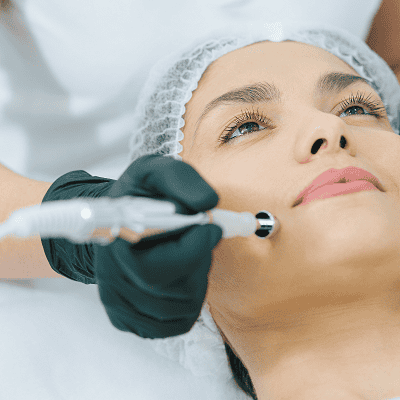
Stubborn acne can be frustrating, especially when pimples continue to appear despite trying different cleansers, creams, and skincare routines. Persistent breakouts can affect more than the skin's appearance; they may also influence confidence, social interactions, and emotional well-being. For many people, the challenge is not simply treating an occasional pimple but understanding why acne keeps returning and finding a solution that works over time.
This is where professional dermatological care can make a meaningful difference. Dermatologists in Muscat can help individuals identify the causes of persistent acne, understand their treatment options, and develop a skincare plan suited to their skin type and medical history. Rather than relying on trial and error, professional assessment can help distinguish acne from other skin conditions and reduce the risk of long-term scarring.
Acne can affect teenagers and adults alike. Hormonal changes, excess oil production, clogged pores, inflammation, genetics, and certain medications can all contribute to breakouts. In Muscat, where outdoor temperatures and humidity can influence sweating, sunscreen use, and skincare habits, choosing products that suit the local climate may also be helpful.
The good news is that stubborn acne can often be managed successfully. Although no treatment works instantly for everyone, an appropriate combination of medical treatment, consistent skincare, and realistic expectations can lead to clearer, healthier-looking skin.
1. Why Does Acne Become Stubborn and Difficult to Treat?
Acne develops when hair follicles become clogged with oil and dead skin cells. Bacteria naturally present on the skin, particularly Cutibacterium acnes, can contribute to inflammation within these blocked follicles. This process may lead to blackheads, whiteheads, inflamed pimples, and, in more severe cases, painful nodules or cyst-like lesions.
For some individuals, acne improves with basic skincare. For others, breakouts persist for months or years, even when they regularly wash their face and use over-the-counter products. Several factors may explain why acne becomes difficult to control.
Hormonal changes: Hormones can stimulate the sebaceous glands to produce more oil. Puberty, menstrual cycles, and certain hormonal conditions may contribute to recurring acne. Adult acne can also continue long after adolescence.
Genetics: People with a family history of persistent or severe acne may be more likely to experience similar skin concerns.
Unsuitable skincare products: Heavy or pore-clogging cosmetics, excessive exfoliation, and harsh cleansers can aggravate certain skin types. Constantly changing products may also irritate the skin and make it harder to determine what is helping.
Stress and lifestyle factors: Stress may worsen acne in some individuals, although it is not the only cause. Sleep patterns, environmental exposures, and individual habits can influence how the skin behaves.
Incorrect treatment: Using products inconsistently, combining too many active ingredients, or stopping an effective treatment too early can limit improvement. Some medications can also contribute to acne-like breakouts.
In Muscat, sweat, outdoor heat, and frequent sunscreen use may create additional skincare challenges. However, acne is not caused simply by living in a hot climate, and washing the face excessively will not eliminate the underlying causes.
When breakouts persist despite a reasonable skincare routine, a dermatologist can help identify contributing factors and recommend a more targeted approach.
2. How Dermatologists in Muscat Diagnose and Assess Persistent Acne
Effective acne treatment begins with understanding the type of acne involved and the factors contributing to it. Dermatologists in Muscat can assess the skin, review previous treatments, and determine whether prescription medication or additional investigation may be appropriate.
A professional assessment usually considers several important factors.
The type and severity of acne: Blackheads and whiteheads generally require a different approach from deep, painful inflammatory lesions. The presence of nodules, cyst-like lesions, or developing scars may indicate a need for more intensive treatment.
The location of breakouts: Acne can affect the face, chest, shoulders, and back. The distribution of lesions may help guide treatment and identify possible contributing factors.
Medical and skincare history: Previous products, prescription medications, allergies, existing health conditions, and family history can all influence treatment decisions.
Possible hormonal influences: Persistent acne accompanied by irregular menstrual periods, excess facial hair, or other signs of hormonal imbalance may warrant further assessment. Testing is not necessary for everyone, but it may be appropriate when symptoms suggest an underlying condition.
Signs of scarring or pigmentation: Acne can leave depressed scars, raised scars, and dark marks known as post-inflammatory hyperpigmentation. These concerns may require a separate treatment plan alongside active acne management.
Not every breakout is acne. Conditions such as rosacea, folliculitis, and perioral dermatitis can produce acne-like bumps but may respond differently to treatment. Correct identification is especially important when previous acne products have failed or appear to worsen the problem.
A thorough assessment allows treatment to target the actual skin condition rather than simply suppressing visible symptoms. It also provides an opportunity to discuss realistic timelines, possible side effects, and the importance of preventing permanent scarring.
3. Which Acne Treatments Can Dermatologists Recommend?
There is no single treatment that works for every type of acne. The most appropriate option depends on the severity of the breakouts, the person's age, skin sensitivity, medical history, and previous response to treatment.
Dermatologists may recommend one treatment or a combination of approaches to address clogged pores, excess oil, inflammation, and acne-causing processes.
Topical treatments for mild to moderate acne
Topical products are commonly used as a starting point for many acne cases.
-
Benzoyl peroxide: Helps reduce acne-associated bacteria and inflammation. It can cause dryness or irritation and may bleach fabrics.
-
Topical retinoids: Ingredients such as adapalene help prevent clogged pores and reduce new breakouts. Irritation and dryness can occur during the initial weeks.
-
Azelaic acid: May help manage acne and improve the appearance of dark marks left after inflammation.
-
Salicylic acid: Helps remove dead skin cells and may be useful for clogged pores in suitable individuals.
The choice of ingredient matters. Using several strong products together can irritate the skin and make acne appear worse. A gradual, consistent approach is often more helpful than introducing multiple active ingredients at once.
Prescription medications for persistent acne
When topical products are insufficient, a dermatologist may consider prescription treatment.
Oral antibiotics may be used for selected cases of inflammatory acne, generally for a limited period and alongside appropriate topical treatment to reduce antibiotic resistance. Hormonal treatments, including certain combined oral contraceptives or spironolactone, may be suitable for some women after assessment of their medical history and individual risks.
For severe, scarring, or treatment-resistant acne, isotretinoin may be considered under appropriate medical supervision. This medication can be highly effective but requires careful monitoring because of potential adverse effects. It causes severe birth defects if taken during pregnancy, so strict pregnancy-prevention requirements apply to people who could become pregnant.
A dermatologist can explain which option is appropriate, how it should be used, and what monitoring may be necessary.
Treatment generally requires patience. Many acne therapies take around six to eight weeks to show noticeable improvement, and further progress may occur over several months. A lack of immediate results does not always mean that a treatment has failed.
4. Can Professional Acne Treatments Help With Scars and Dark Spots?
Treating active acne is only part of the process. Many individuals also want to improve the marks and scars left behind by previous breakouts.
These concerns are not all the same. Flat brown or dark marks often result from post-inflammatory hyperpigmentation, while depressed or raised scars reflect changes in the skin's structure. Red or pink marks may also remain after inflammation has settled.
Dermatologists can help distinguish these concerns and recommend suitable treatments.
Dark marks after acne: Daily sunscreen is an important part of preventing existing pigmentation from becoming more noticeable. Depending on the skin type, ingredients such as azelaic acid or retinoids may help improve uneven pigmentation over time.
Depressed acne scars: Procedures such as microneedling, selected chemical peels, subcision, or laser treatments may be considered depending on the type and depth of scarring. Different scars respond differently, and more than one procedure may be needed.
Raised scars: Some raised scars can be managed with treatments such as corticosteroid injections or other specialist approaches, depending on the diagnosis.
Ongoing inflammation: Active acne should generally be brought under control before many scar-focused procedures are undertaken. Otherwise, new breakouts may create additional marks and scars.
Skin tone is an important consideration when selecting procedures. People with darker skin tones may have a greater risk of developing post-inflammatory hyperpigmentation after certain treatments, particularly when the skin is irritated or injured. Appropriate technique, careful selection, and suitable aftercare help reduce this risk.
Professional treatments can improve the appearance of many acne scars, but complete removal cannot be guaranteed. The extent of improvement depends on scar type, skin characteristics, and treatment response.
5. How to Manage Acne in Muscat's Hot Climate
A good treatment plan does not end with a prescription. Everyday skincare habits can support recovery, reduce irritation, and help prevent new breakouts.
Muscat's warm climate and periods of high humidity may make sweat, sunscreen, and outdoor activities important considerations. However, the goal is not to eliminate the skin's natural oil completely. Instead, the focus should be on keeping the skin comfortable, protecting it from the sun, and avoiding unnecessary irritation.
Use a gentle cleanser. Washing the face twice daily and after heavy sweating is usually sufficient. Scrubbing aggressively or repeatedly washing throughout the day can damage the skin barrier and increase irritation.
Choose non-comedogenic products. Sunscreens, moisturizers, and cosmetics labelled non-comedogenic are designed to be less likely to clog pores. Individual reactions still vary, so products should be selected according to skin needs.
Apply sunscreen every day. A broad-spectrum sunscreen with SPF 30 or higher helps protect against ultraviolet radiation and reduces the risk of acne-related dark marks becoming darker. Lightweight formulations may feel more comfortable in warm weather.
Avoid picking or squeezing pimples. Manipulating acne lesions can worsen inflammation and increase the likelihood of scarring and pigmentation.
Keep the routine consistent. Frequent changes in products can make it difficult to assess results. A simple routine with a suitable cleanser, moisturizer, sunscreen, and recommended acne treatment is often a practical starting point.
Pay attention to individual triggers. Some people notice worsening acne with specific cosmetics, medications, or dietary patterns. A balanced diet is sensible, and evidence suggests that a high-glycemic diet may worsen acne in some individuals. However, no single food causes every case, and restrictive diets are not a substitute for appropriate treatment.
These habits can complement professional care, but persistent or severe acne usually requires more than changes to daily skincare alone.
6. When Should Someone Seek Help From Dermatologists in Muscat?
Occasional pimples may respond to basic over-the-counter care. However, persistent, painful, or scarring acne deserves professional attention, especially when repeated attempts at self-treatment have not produced improvement.
A dermatological assessment may be particularly useful when:
-
Breakouts continue despite consistent use of appropriate skincare products.
-
Deep, painful nodules or cyst-like lesions develop.
-
Acne begins leaving permanent scars or persistent dark marks.
-
Breakouts affect the chest, back, or other large areas of the body.
-
Acne is accompanied by symptoms that may suggest a hormonal condition.
-
Treatment products cause significant irritation or appear to worsen the skin.
-
Acne affects confidence, social activities, or emotional well-being.
Early treatment can help control inflammation and reduce the risk of permanent scarring. It may also prevent the cycle of trying multiple unsuitable products without identifying the underlying problem.
When choosing dermatologists in Muscat, individuals should consider professional qualifications, experience treating acne, the availability of appropriate follow-up, and the willingness to explain treatment risks and alternatives. It is also helpful to choose a professional who considers the person's skin type, medical history, and practical skincare needs.
Treatment is rarely an overnight process. Some medications can initially cause dryness or irritation, while others require monitoring over several months. Follow-up appointments help determine whether the treatment is working and whether adjustments are needed.
The most important point is that stubborn acne is not a personal failure or a sign of poor hygiene. It is a common skin condition with several possible causes, and effective treatment often requires a tailored, consistent plan.
With an accurate diagnosis, appropriate medication, supportive skincare, and realistic expectations, many people can achieve meaningful improvement. Dermatological care can also help address the marks and scars that remain after breakouts, supporting healthier-looking skin and greater confidence over time.
Frequently Asked Questions
1. Can dermatologists really treat stubborn acne effectively?
Yes. Dermatologists can identify the type and severity of acne and recommend evidence-based treatments, including topical medication, prescription medicines, and selected procedures. Results vary, but a personalized treatment plan can improve acne and help reduce the risk of scarring.
2. When should someone consult dermatologists in Muscat for acne?
A consultation is worth considering when acne persists despite consistent skincare, causes painful lesions, leaves scars, or affects emotional well-being. Early professional care can help prevent worsening inflammation and long-term skin changes.
3. How long does acne treatment take to work?
Many acne treatments begin showing noticeable improvement within six to eight weeks, although more substantial improvement may take several months. The timeline depends on the treatment, acne severity, and individual response.
4. Can acne scars and dark spots be removed completely?
Dark marks may fade with time and appropriate treatment, while depressed or raised scars may improve with selected procedures. Complete removal is not guaranteed, and the best approach depends on the type of mark or scar.
5. Does hot weather in Muscat make acne worse?
Heat, sweating, friction, and some heavy skincare products may aggravate acne in certain individuals. However, hot weather is not the sole cause. Gentle cleansing, non-comedogenic products, and daily sunscreen can help support skin health in a warm climate.
6. Is it necessary to stop using skincare products when acne develops?
Not necessarily. Some products may be contributing to clogged pores or irritation, while others can support acne treatment. A simple routine with gentle cleansing, suitable moisturizing, sunscreen, and recommended acne medication is often helpful. Persistent breakouts should be assessed rather than managed by repeatedly changing products.
Read More About Dermatologists in Muscat: https://www.talkfever.com/blogs/are-dermatologists-worth-it-for-anti-aging-treatments

 English
 Arabic
 French
 Spanish
 Portuguese
 Deutsch
 Turkish
 Dutch
 Russian
 Romaian
 Portuguese (Brazil)
 Greek